Have you ever finished a swim set wondering why you’d barely improved from last month, despite putting in the hours in the pool? Imagine gliding through the water with less effort, breathing smoothly, and shaving seconds off every lap. If that sounds appealing, you’re in the right place. This guide on how to become a better swimmer breaks down technique, workouts, and lifestyle habits into actionable steps you can start using today.
Why improving your swimming matters
Swimming is low-impact, full-body, and excellent for cardiovascular fitness, but progress tends to stall if you only swim lap after lap. Getting faster and more efficient requires deliberate practice: focused drills, interval training, strength work, and recovery. Whether you’re training for a triathlon, open water events, or simply want a more effective pool workout, these principles apply.
How to become a better swimmer: 7 practical steps
1. Master the basics of stroke mechanics
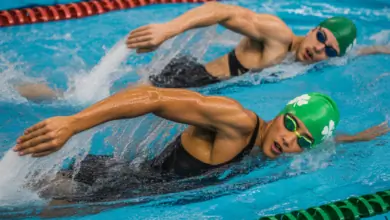
Good technique reduces drag and conserves energy. Start each session with a slow, focused warm-up and pay attention to body position, streamline, and alignment. For freestyle, aim for:
- Neutral head position—look down, not forward.
- Long, relaxed strokes—reach forward, catch early, and pull through under the body.
- Body rotation—rotate around the spine to increase reach and reduce shoulder strain.
2. Improve your breathing technique
Controlled breathing lets you sustain higher intensity. Practice bilateral breathing (every three strokes) to balance rotation and avoid overworking one side. Drill: swim 4 x 50m focusing only on exhaling fully underwater, then inhale quickly and calmly at the turn.
3. Build specific swim fitness with interval training
Use interval sets to train speed and endurance. Examples:
- Speed set: 10 x 50m at race pace with 20–30 seconds rest.
- Endurance set: 5 x 200m at steady aerobic pace with 30–45 seconds rest.
- Pyramid: 50-100-150-200-150-100-50m to mix intensity and recovery.
4. Add targeted swimming drills
Drills isolate parts of the stroke so you can correct technique faster. Try:
- Catch-up drill to improve reach and timing.
- Paddle and pull buoy sets to feel the catch and upper-body drive.
- Kicking sets with a board to develop a stronger, more efficient kick.
5. Do dryland training for power and durability
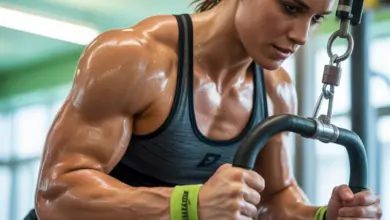
Dryland or land-based strength and mobility sessions complement pool work by developing core stability, shoulder strength, and hip drive. Include:
- Planks, side planks, and anti-rotation core work.
- Resistance band exercises for rotator cuff and scapular control.
- Squats, deadlifts, and single-leg work for leg power and balance.
6. Track progress with simple metrics
Use time trials, stroke counts, and heart rate to measure improvement. Example: perform a 100m time trial every 4–6 weeks and record stroke rate and perceived exertion. Small, consistent gains add up fast.
7. Prioritize recovery and consistency
Swim smarter, not just more. Rest days, sleep, and nutrition are critical to adapt and get stronger. Plan a weekly schedule that balances high-intensity sessions with technique-focused, low-intensity swims.
Swimming drills and workout variations
Technique-focused session (45–60 minutes)
- Warm-up: 300m easy (mix of strokes)
- Drills: 4 x 50m (catch-up / fingertip drag / single-arm) with 20s rest
- Main set: 8 x 100m at moderate pace, focus on stroke count, 20–30s rest
- Kick set: 6 x 50m kick with board, moderate effort
- Cool down: 200m easy
Speed and VO2 max session
- Warm-up: 400m easy with drills
- Main set: 12 x 50m at high intensity, 1:1 work-rest ratio
- Recovery: 200m easy
Rotate these session types weekly—technique, speed, distance—to build a balanced skillset and avoid overtraining.
Dryland training: what to do outside the pool
Two 30–45 minute strength sessions per week are enough for many swimmers. Focus on:
- Compound lifts for overall strength (light-to-moderate load, 3–4 sets of 6–12 reps).
- Mobility work for ankles, hips, thoracic spine, and shoulders.
- Plyometrics and medicine ball throws to translate power into explosive starts and turns.
Nutrition, hydration, and recovery for swimmers
Fueling and recovery are often overlooked. Aim for:
- Balanced meals with lean protein, whole grains, and vegetables to support muscle repair.
- Carbohydrate timing: eat a carb-rich snack 60–90 minutes before hard sessions.
- Hydration: even in water, swimmers can dehydrate—sip fluids before, during (if sessions exceed an hour), and after workouts.
- Sleep: 7–9 hours per night for optimal recovery and performance.
For sample meal ideas and timing strategies, see our nutrition guides.
Common mistakes and how to avoid them
- Too much easy swimming: If every session is low intensity, you won’t trigger adaptations. Add one high-intensity or technique-focused workout weekly.
- Poor drill selection: Drills should address your weaknesses, not be used as filler. Video your stroke to identify issues.
- Skipping strength work: Without dryland training, you limit power and injury resilience.
Real-world examples and success stories
Take Sarah, a busy triathlete who cut 45 seconds off her 800m time in 12 weeks by swapping two long slow swims for structured interval sets, adding twice-weekly strength sessions, and practicing bilateral breathing. Or Miguel, who improved open-water confidence by practicing sighting drills and doing a weekly practice in the lake to translate pool skills to real conditions. These small, consistent changes led to measurable gains.
Frequently Asked Questions
1. How long will it take to see improvement?
Most swimmers notice technical improvements within 2–4 weeks when they focus on deliberate drills and guided practice. Endurance and speed gains typically appear after 6–12 weeks of structured training.
2. How often should I swim to get better?
For recreational swimmers, 3 sessions per week with one focused on technique, one on speed, and one on endurance gives solid progress. Competitive swimmers will train more frequently with periodized plans. Consistency matters more than volume.
3. Do I need dryland training to improve?
While you can improve technique solely in the pool, dryland training accelerates strength, power, and injury prevention. Two short sessions per week are effective for most athletes.
Conclusion — Take the next lap toward progress
Learning how to become a better swimmer is about smart, consistent practice: refine your stroke, use purposeful drills, add interval workouts, and support your body with strength work and proper nutrition. Start with one change this week—maybe a technique-focused session or a short strength workout—and track your progress. For workout ideas and weekly plans, check our workout routines and if you want broader health advice, browse our wellness tips. Ready to swim smarter? Jump in and make this week the start of your best season yet.