Ever finished a hard set and wondered if that extra scoop of creatine meant you needed to down two more bottles of water? It’s a common thought: you want the performance benefits of creatine but worry about cramps, bloating, or dehydration. In this post I’ll cut through the noise and answer how much water should I drink with creatine revealed in clear, usable terms so you can stay hydrated, perform better, and feel confident in your supplement routine.
Why hydration matters when taking creatine
Creatine helps muscles hold more water inside the muscle cell (intracellular hydration), which is part of why it boosts strength and recovery. That shift in water balance doesn’t automatically dehydrate you, but it does change how your body manages fluids. Proper fluid intake supports blood volume, temperature regulation, and recovery — all critical when you’re training hard.
What creatine does to water balance
- Increases intracellular water retention (good for muscle volume)
- May slightly change thirst signals or perceived hydration needs
- Can increase sweat loss during intense workouts, making proactive hydration helpful
How much water should I drink with creatine revealed: practical numbers
There’s no magic one-size-fits-all figure, but here are evidence-based guidelines you can adapt to your situation:
- Follow general daily water recommendations first: about 3.7 liters (125 oz) for men and 2.7 liters (91 oz) for women from all beverages and food on average days.
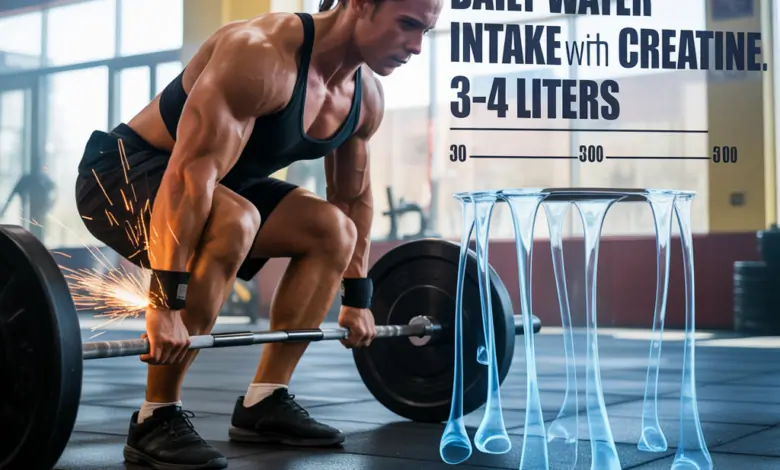
- When using creatine, add a conservative extra 250–500 ml (8–17 oz) per day as a baseline — more if you train intensely or live/work in hot conditions.
- During a loading phase (if you choose 20 g/day split into 4 doses), consider increasing water by 500–1000 ml (17–34 oz) spread across the day to support the higher creatine intake.
- On training days, include fluid lost from exercise: weigh yourself pre/post workout and aim to replace each 0.5 kg (1 lb) lost with ~500–700 ml (16–24 oz) of water or electrolyte drink.
Example: a moderately active 80 kg (176 lb) man following baseline guidelines (~3.7 L) might aim for ~4.0–4.5 L on creatine days and closer to 4.5–5.0 L on heavy training or loading days.
Practical tips to stay properly hydrated on creatine
- Spread water intake throughout the day — constant sipping beats gulping one big volume.
- Mix one creatine dose in ~200–300 ml (7–10 oz) of water or a carbohydrate beverage; this helps with ingestion and absorption without overloading your stomach.
- Use urine color as a simple biofeedback tool: pale yellow is a good target; dark yellow suggests you need more fluids.
- Weigh yourself before and after intense sessions to track sweat losses and replace fluids accordingly.
- Include electrolytes if workouts are long or you sweat heavily — sodium helps retain water and supports hydration balance.
When to be extra cautious
If you have kidney issues, heart conditions, or take medications that affect fluid balance, consult your healthcare provider before changing water or creatine intake. For most healthy adults, creatine combined with sensible hydration is safe and effective.
Workout variations and timing for creatine & hydration
How you structure training affects your fluid needs. Here are a few workout plans and hydration patterns to try:
- Strength training (3–5 sets, low reps): Drink 250–500 ml in the 60 minutes before lifting, sip 150–250 ml between sets if needed, and replace sweat losses after the session.
- High-intensity interval training (HIIT): Expect higher sweat rates — top off with 300–600 ml every 20–30 minutes during long sessions and rehydrate 500–800 ml post-session.
- Endurance cardio (60+ minutes): Use a mix of water and electrolyte drink — aim for 500–1000 ml per hour depending on heat/intensity.
Healthy lifestyle advice to maximize creatine benefits
- Pair creatine with a balanced diet rich in lean protein, whole grains, fruits, and vegetables for optimal muscle recovery.
- Prioritize sleep: creatine supports recovery, but consistent sleep is non-negotiable for gains.
- Manage caffeine intake — it’s fine but monitor how it affects hydration and sleep.
- Cycle or maintain creatine as you prefer; many users take 3–5 g/day continuously after any loading phase.
Real-world example
Meet Sarah, a 65 kg (143 lb) recreational lifter. She takes 5 g of creatine daily. Her baseline fluid target is ~2.7 L/day. She adds an extra 300–500 ml on training days, drinks ~250 ml with each creatine dose, and carries a 1 L bottle to ensure she hits targets. She tracks urine color and adjusts on hot days. Over months she notices improved recovery and fewer muscle cramps — and no bloating problems.
Signs you might need to drink more while on creatine
- Consistently dark urine despite drinking fluids
- Frequent muscle cramps during or after exercise
- Marked thirst, lightheadedness, or decreased performance
Frequently Asked Questions
1. Do I need to drink a lot of water immediately after taking creatine?
No. You don’t need to chug a huge amount right after a dose. Mix creatine into a moderate amount of liquid (200–300 ml) and focus on total daily hydration. Spread fluids across the day for best results.
2. Will creatine make me retain water and look bloated?
Some early users notice mild water retention, but most of it is intracellular (inside the muscle) which appears as a fuller, not bloated, look. Staying well-hydrated and avoiding excessive salt can reduce any unwanted bloating.
3. How much water during a creatine loading phase?
If you choose to load (e.g., 20 g/day split into 4 doses), increase total daily fluids by ~500–1000 ml and monitor how you feel. Loading intensifies creatine uptake, so a slight uptick in water helps maintain balance and performance.
Conclusion — take action and hydrate smart
So, how much water should I drink with creatine revealed: aim to meet general daily water needs first (about 3.7 L for men, 2.7 L for women) and add roughly 250–500 ml on creatine days — more during loading or heavy training. Use urine color, bodyweight changes, and sweat replacement as practical guides. Small, consistent tweaks beat occasional overdrinking.
Ready to optimize your workouts and hydration? Try adjusting your water intake for a week while tracking urine color and post-workout recovery. For tailored workout and nutrition plans, check out our workout routines, explore smart fueling in our nutrition guides, and balance recovery with tips from our wellness tips. Share your results or questions below — I’ll help you fine-tune your approach.