How Many Calories Does Snowshoeing Burn

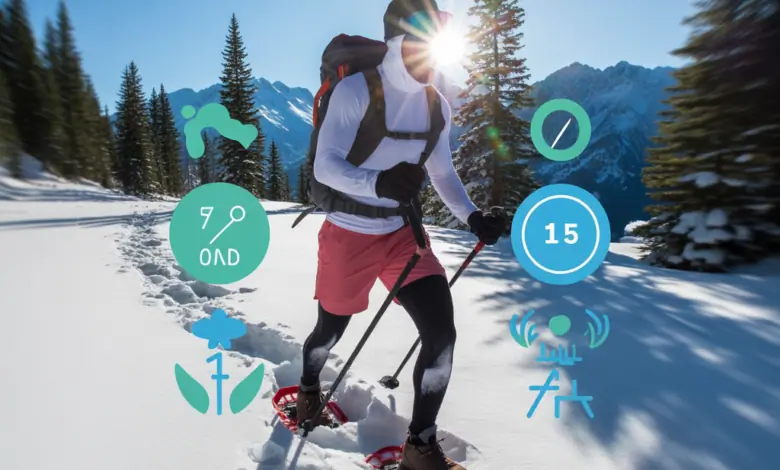
Ever stood at the edge of a snow-covered trail, strapped on a pair of snowshoes, and wondered, “how many calories does snowshoeing burn?” You’re not alone. Whether you’re trading the treadmill for fresh powder or planning a winter weekend adventure, knowing the calorie burn can help you set fitness goals, pace your effort, and optimize nutrition. Let’s break down realistic estimates, practical tips, and workout variations so you can make your next cold-weather outing count.
Why snowshoeing is such a powerful calorie burner
Snowshoeing combines cardiovascular work, full-body engagement, and balance in unstable terrain. Walking on snow requires more effort than on firm ground—your hips, glutes, hamstrings, core, and even your upper body (if you use poles) all contribute. That extra resistance makes snowshoeing an effective winter cardio session with a high calorie burn and low impact on the joints.
How many calories does snowshoeing burn? — Estimates and factors
There’s no single number for every person. Calories burned depend on body weight, pace, snow conditions, elevation gain, and whether you’re carrying a pack. A useful way to estimate is with MET (metabolic equivalent) values: recreational snowshoeing typically ranges from about 5–9 METs.
- Light effort (gentle trails, packed snow): ~5–6 METs
- Moderate effort (fresh snow, rolling hills): ~6–8 METs
- Vigorous effort (steep climbs, deep powder, loaded pack): ~8–10+ METs
To convert METs to calories per hour: Calories/hour = MET × body weight in kg. For example:
- A 125 lb (57 kg) person at 6 METs: ≈ 340 kcal/hour.
- A 155 lb (70 kg) person at 7 METs: ≈ 490 kcal/hour.
- A 200 lb (91 kg) person at 8 METs: ≈ 728 kcal/hour.
Real-world takeaway: most people burn roughly 350–800+ calories per hour while snowshoeing, with high-intensity outings or heavy packs pushing that toward 900–1,000 calories in extreme cases.
Real examples to visualize burn rates
- Leisurely 60-minute loop on packed trails: ~350–450 kcal for a 140–175 lb person.
- Two-hour moderate trek with rolling hills: ~800–1,200 kcal for a 160–200 lb person.
- Backcountry day with elevation and a 20 lb pack: 900–1,500+ kcal depending on duration and body weight.
Practical tips to maximize calorie burn and safety
Snowshoeing is fun, but smart training and preparation will help you burn more efficiently and stay safe.
- Use poles: They engage the upper body, increase power, and raise calorie expenditure.
- Try intervals: Alternate 3–5 minutes of brisk uphill or fast-paced walking with 2–3 minutes of recovery to spike metabolic burn.
- Pack smart: A light pack increases resistance; a heavy pack adds real calorie demand—train progressively.
- Watch your form: Shorten stride in deep snow, drive with the hips, and keep the core engaged to reduce injury risk.
- Stay hydrated and fuel up: Cold weather can blunt thirst signals—drink regularly and carry carbohydrate-rich snacks for longer sessions.
- Check conditions and plan: Fresh powder is harder work; aim for packed trails for a faster pace or deep snow for a stronger strength/cardio combo.
Workout variations: beginner to advanced
Beginner — 45-minute steady state
- 10-minute easy warm-up on packed trail
- 30 minutes steady pace (conversational effort)
- 5-minute cool-down and stretching
- Estimated burn: 250–400 kcal depending on weight
Intermediate — hill intervals (60 minutes)
- 10-minute warm-up
- 8 × (3 min uphill at hard effort + 2 min easy downhill recovery)
- 10-minute cool-down
- Estimated burn: 600–900 kcal
Advanced — backcountry circuit (3+ hours)
- Include elevation gain, pack weight, and mixed terrain
- Combine steady-state trekking with 10–15 min high-intensity climbs
- Practice on varied snow to build strength and endurance
- Estimated burn: 1,200–2,000+ kcal
Nutrition, recovery, and lifestyle advice for snowshoers
To perform well and recover, apply these healthy-lifestyle strategies:
- Pre-trip meal: 2–3 hours before, eat a balanced meal with carbs + protein (oatmeal with fruit and nut butter works great).
- On-trail snacks: Energy chews, bananas, trail mix, or a sandwich—aim for small amounts every 45–60 minutes for long outings.
- Post-activity recovery: 20–30 g protein within 60 minutes plus carbs to refill glycogen (yogurt with granola, chocolate milk, or a lean sandwich).
- Strength training: Add lower-body and core sessions (squats, lunges, deadlifts, planks) 2×/week to improve power and efficiency.
- Consistency: Regular winter activity keeps your fitness steady—swap one or two cardio sessions for snowshoeing instead of stopping training in winter.
For structured strength or cardio plans to complement your snowshoeing, check out my workout routines and nutrition guides.
Tracking calories accurately
Wearable devices (heart-rate monitors, GPS watches) give better individualized estimates than generic charts. Many fitness trackers use heart rate and pace to estimate calories, but remember: devices can vary by ±10–20%. For more precision, combine perceived exertion, heart rate zones, and device data.
Frequently Asked Questions
How many calories does snowshoeing burn per hour?
Depending on intensity and body weight, snowshoeing commonly burns between about 350 and 800 calories per hour. Vigorous backcountry hikes or heavy packs can push burn higher—up to 1,000 calories or more in extreme situations.
Is snowshoeing good for weight loss?
Yes. Because snowshoeing burns substantial calories and builds strength, it’s an effective exercise for fat loss when combined with a sensible calorie-controlled diet and consistent training. It also improves cardiovascular fitness and muscular endurance.
What should I eat before and after a snowshoeing session?
Before: a carb-focused meal with some protein (e.g., toast with peanut butter and banana) 1–3 hours before. During: quick carbs like sports chews or a granola bar for sessions over 60–90 minutes. After: carbohydrates + protein to aid recovery (e.g., yogurt + fruit or a turkey sandwich).
Conclusion — Try it and track your progress
If you’ve been asking, “how many calories does snowshoeing burn,” now you know it’s a high-value winter workout that can torch calories, build strength, and keep you outdoors. Start with a realistic plan—pick a workout variation that fits your level, track your effort with a watch or heart-rate monitor, and pair sessions with proper fueling. Ready to build a winter routine? Explore more workout routines, read my nutrition guides for fueling tips, and dive into wellness tips to stay healthy all season. Strap on the snowshoes and go see what your body can do—then come back and tell me about your best trail!