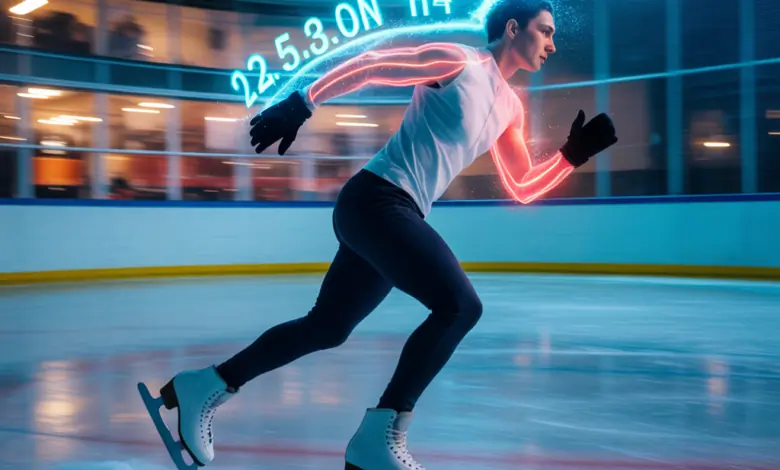
Ever wondered if that hour spent gliding around the rink or attempting your first forward crossovers is doing more than just making memories? Picture this: a winter afternoon, crisp air, friends laughing — but you’re also wondering, “Is ice skating a good workout?” If you’ve asked yourself how many calories does ice skating burn, you’re not alone. Let’s break down the numbers, give practical tips to maximize your session, and show how skating can be an effective, fun way to burn calories and build fitness.
Why ice skating is a solid calorie-burning activity
Ice skating is a full-body, low-impact exercise that combines cardiovascular endurance, lower-body strength, balance, and coordination. Unlike running, skating produces less joint stress while still recruiting large muscle groups—glutes, quads, hamstrings, calves, and core—so you get a great metabolic boost with less pounding.
What affects calories burned on the ice?
- Body weight: Heavier bodies burn more calories doing the same activity.
- Intensity: Leisurely gliding vs. fast laps or hockey scrimmages drastically changes energy use.
- Skill level: Beginners waste energy balancing and correcting form; experienced skaters can sustain higher intensity.
- Duration and rest: Continuous skating burns more than stop-and-go play.
How many calories does ice skating burn? Real numbers and examples
Calorie burn varies, but we can use metabolic equivalents (METs) to estimate. Recreational ice skating is roughly 4–6 METs (moderate); vigorous skating, figure-skating routines, or hockey range from 6–10+ METs. Use this simple formula: Calories = MET × weight (kg) × time (hours).
Estimated calories burned per hour (approximate):
- 125 lb (57 kg): moderate skating ~285 kcal/hr; vigorous skating ~400 kcal/hr
- 155 lb (70 kg): moderate skating ~350 kcal/hr; vigorous skating ~490 kcal/hr
- 185 lb (84 kg): moderate skating ~420 kcal/hr; vigorous skating ~585 kcal/hr
Examples:
- A casual 45-minute skate for a 155 lb person = ~260 calories.
- A spirited 60-minute hockey pick-up game for a 185 lb player = ~500–700 calories depending on effort.
- A 30-minute intense figure-skating training session for a 125 lb skater = ~200 calories.
Ways to increase calorie burn while ice skating
Want to make the most of your rink time? Try these practical strategies.
Interval skating (HIIT on ice)
- Warm up 5–10 minutes.
- Alternate 1–2 minutes of hard skating (sprints, fast laps) with 1–2 minutes easy recovery for 20–30 minutes.
- Cool down and stretch. Intervals increase intensity and elevate your post-exercise calorie burn.
Technique-focused sets
- Work on power pushes and long glides to engage glutes and quads more deeply.
- Add one-leg glides or crossovers to tax balance and stabilizer muscles.
Mix skating with off-ice training
- Bodyweight circuits (squats, lunges, single-leg deadlifts) 2–3x per week build the strength that translates to more efficient, powerful skating.
- Core work (planks, anti-rotation) improves posture and energy transfer.
Sample 45-minute rink workout
- Warm-up: 8 minutes easy laps + dynamic stretches
- Skill drills: 10 minutes (crossovers, stops, edges)
- Intervals: 20 minutes (6 rounds of 2 min hard / 1 min easy)
- Cool down: 5–7 minutes easy skating + stretching
This session is excellent for burning calories while improving skating ability—expect 300–500 calories depending on body weight and effort.
Practical tips for beginners and casual skaters
- Rent or buy properly fitted skates for comfort and efficiency—blisters and pain cut workouts short.
- Wear layers you can remove as you warm up; cold muscles are less efficient and more injury-prone.
- Focus on posture: slight forward lean, knees bent, and long powerful pushes increase power output and calorie use.
- Use skating as cross-training: it complements running, cycling, and strength training without high joint stress.
Healthy lifestyle advice to support calorie goals
Calories burned on the ice are only part of the energy balance picture. Combine skating with sustainable nutrition and recovery habits:
- Fuel workouts with a balanced snack of carbs + protein 30–90 minutes before longer sessions.
- Prioritize sleep and hydration for recovery and metabolic health.
- Use skating as consistent cardio—3 sessions a week plus strength training yields steady results.
- Track progress with a wearable or app, but don’t obsess over exact numbers—consistency matters more than perfect precision.
Real-world results: Stories that resonate
Consider Sarah, a 34-year-old office worker who swapped one weekly treadmill session for a 60-minute recreational skate. Within two months she reported improved leg strength, lower knee pain, and a 300-calorie-per-session burn that kept her energy balanced. Or Marcus, a busy dad who started 30-minute skating intervals twice weekly—he found intense sessions matched the calorie burn of a 45-minute run while being easier on his joints.
Frequently Asked Questions
1. How many calories does ice skating burn per hour for different weights?
It depends on intensity. Rough estimates: moderate skating = ~280–420 kcal/hr (125–185 lb range); vigorous = ~400–600+ kcal/hr. Use body weight and intensity as your guide.
2. Is ice skating better than running for losing weight?
Both are effective. Skating is lower-impact and engages stabilizer muscles differently. If you enjoy skating more, you’ll likely stick with it—and consistency is key for weight loss.
3. How can I safely increase calorie burn without getting injured?
Progress gradually: improve technique, add intervals, and incorporate off-ice strength work. Prioritize proper skates, warm-ups, and recovery to reduce injury risk.
Conclusion — Lace up and find out for yourself
If you’ve been asking how many calories does ice skating burn, the short answer is: it can burn a meaningful amount—often 300–600 calories per hour—depending on your weight and effort. More importantly, skating is fun, social, and sustainable. Try mixing interval skating with technique work and off-ice strength training to maximize results.
Ready to turn skating into a consistent part of your fitness routine? Check out our workout routines for off-ice strength sessions, browse our nutrition guides for fueling tips, and explore more wellness tips to support recovery. Lace up, get on the ice, and enjoy the burn—both the calories and the joy.