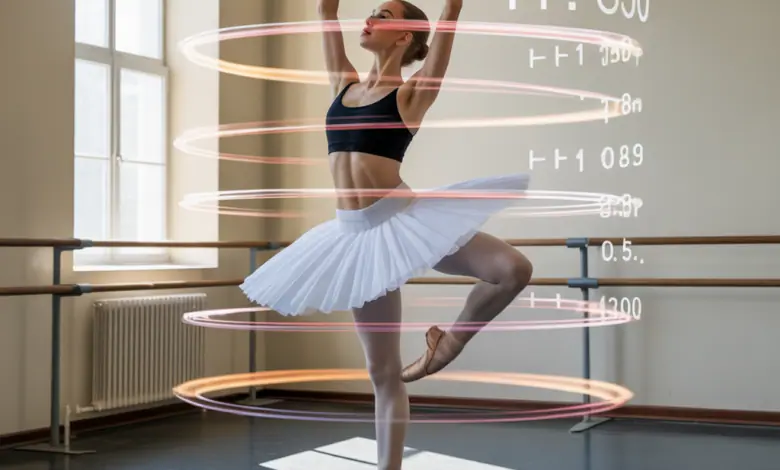
Ever left a ballet class sweaty, shaky and thinking, “Did that actually count as cardio?” If you’ve asked yourself how many calories does ballet burn while standing at the barre or practicing across the floor, you’re not alone. Ballet is graceful, technical and deceptively demanding — and it can be an effective calorie-burning workout when you understand intensity, duration, and how your body responds.
Why dancers often under- or overestimate calorie burn
Ballet doesn’t always look like traditional exercise, so people either assume it’s a light hobby or a full-on gym session. The truth sits in the middle: ballet combines strength, flexibility, balance and aerobic work. The number of calories burned depends on class type (barre vs. allegro), tempo, your weight, and how much of the class is continuous movement versus technical drills.
How many calories does ballet burn? The realistic ranges
To estimate energy use, fitness professionals use METs (metabolic equivalents). Typical ranges for ballet are:
- Light practice/technique drills: ~2.8–3.5 METs
- Barre-focused class or steady technique work: ~3.5–5 METs
- Cardio-heavy rehearsal, grand allegro, or performance-level intensity: ~5–7 METs
Use this formula to estimate calories burned: calories/minute = MET × 3.5 × weight(kg) ÷ 200.
Sample calorie estimates (60-minute class)
Here are approximate calories burned for a 60-minute ballet session at moderate (4 MET) and vigorous (6 MET) intensity:
- 125 lb (57 kg): ~238 kcal (4 MET) to ~357 kcal (6 MET)
- 155 lb (70 kg): ~295 kcal (4 MET) to ~443 kcal (6 MET)
- 185 lb (84 kg): ~352 kcal (4 MET) to ~529 kcal (6 MET)
Shorter 45-minute classes or mixed-intensity sessions will scale these numbers down. A 45-minute barre class at 4 MET for someone 155 lb burns roughly 220 kcal.
Factors that change calorie burn
- Intensity: Full-out allegro and continuous across-the-floor combinations burn more than isolated slow stretches.
- Duration: Longer classes equal more energy expended, but quality matters more than time alone.
- Body weight and composition: Heavier bodies typically burn more calories doing the same activity; lean muscle increases resting metabolic rate.
- Skill level: Beginners may burn more initially as they recruit extra effort for coordination; experienced dancers can push intensity for higher calorie burn.
- Class format: Barre-only classes are strength and endurance focused; cardio-ballet or rehearsal increases heart rate and total energy use.
Practical ballet workout variations to boost calorie burn
Want to optimize your ballet time for fitness and fat loss without losing technique? Try these class or at-home variations:
- Barre + intervals: Do 30–40 minutes of barre, then add three 2–3 minute elevated-intensity sequences (eg. petit sautés into quick port de bras) to spike heart rate.
- Cardio ballet: Focus on across-the-floor combos and allegro for continuous movement—perfect for increasing METs.
- Barre + HIIT combo: Alternate technique sets with 30–45 second bodyweight bursts (jump squats, mountain climbers) to blend strength and cardio.
- Rehearsal simulation: Practice choreography at performance tempo for 20–30 minutes to mimic rehearsal intensity.
- At-home mini-sessions: Three 20-minute focused sessions (barre, center work, across the floor) spread through the day can outpace one inactive hour.
Nutrition and lifestyle tips to support results
Calorie burn matters, but sustainable results come from combining movement with smart nutrition and recovery.
- Prioritize lean protein and whole-food carbohydrates to fuel rehearsals and help muscle repair.
- Hydrate before, during and after class — even mild dehydration reduces performance and calorie burn efficiency.
- Schedule strength training 2× per week to build lean muscle and elevate resting metabolic rate.
- Sleep 7–9 hours; recovery boosts training quality and helps maintain a healthy appetite and hormones.
- Use a heart rate monitor or fitness tracker to estimate energy output more accurately than guesswork.
Real-world examples: How different dancers burn calories
Case studies bring estimates to life:
- The recreational adult: Sarah attends a 60-minute barre class twice weekly and a 45-minute cardio-ballet once weekly. Over time she sees modest fat loss by pairing classes with a balanced diet and two strength sessions.
- The aspiring pre-professional: Mia rehearses 3–4 hours a day, including intensive allegro. Her daily calorie burn is high due to volume and intensity, so she focuses on nutrient timing to sustain performance.
- The fitness seeker: James combines ballet technique twice a week with HIIT and weights. Ballet improves mobility and balance while HIIT increases weekly calorie expenditure for weight loss.
How to track progress (without obsessing over numbers)
Use metrics, but focus on performance and wellbeing:
- Track class frequency and intensity rather than exact calories daily.
- Measure progress with fitness markers — how long you sustain allegro sequences, core and turnout control, or recovery time between sets.
- Take weekly weight and body measurements, but emphasize energy levels, sleep, and confidence too.
Frequently Asked Questions
1. Can ballet help me lose weight?
Yes — when combined with a sensible calorie balance and resistance training, regular ballet can contribute to fat loss. The effectiveness depends on intensity, frequency, and total daily energy balance.
2. Is barre the same as ballet for calorie burn?
Barre classes are inspired by ballet and focus on isometric strength and small muscle endurance. They can burn a moderate number of calories, but cardio-heavy ballet or rehearsal usually burns more due to continuous movement.
3. What’s the best way to measure calories burned during ballet?
A heart rate monitor or fitness tracker calibrated to your weight and age gives the most practical estimate. For more precision, use the MET formula with your weight and the session’s perceived intensity.
Conclusion: Use ballet to move better, feel stronger, and burn calories
So, how many calories does ballet burn? It varies — a 60-minute class can burn anywhere from ~200 to 500+ calories depending on intensity and bodyweight. More important than a single number is how you structure training: blend technique with higher-intensity repeats, track progress, fuel recovery, and add strength work to amplify results. Ready to make your ballet classes work for fitness and artistry? Try a week of mixed-intensity classes, log your sessions, and pair them with balanced meals and sleep. If you want structured plans, check out our workout routines and nutrition guides, and visit our wellness tips page for recovery strategies.
Take action: book a class, wear a heart rate monitor, and see how your numbers change — then tweak intensity and diet until you hit your goals.