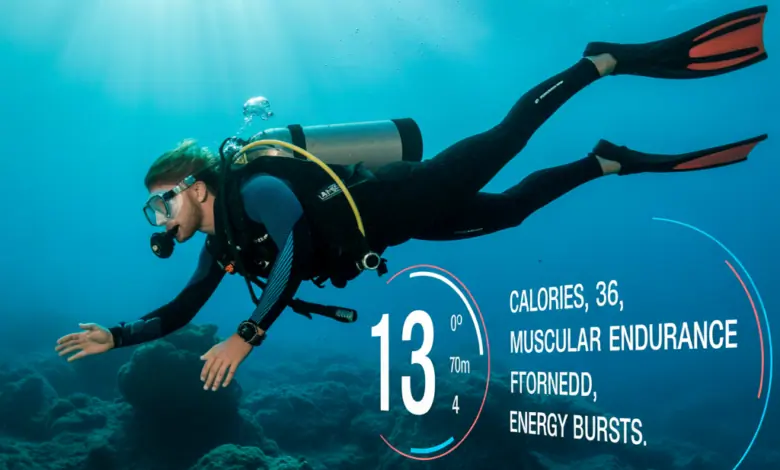
Ever come up from a beautiful reef, breathing the salty air, and wonder, “Did that hour underwater count as a workout?” Picture surfacing after a drift dive, wet suit clinging, heart still buzzing from the currents — you’re sweating (or would be, if you weren’t in the water). Curious divers and fitness fans alike often ask: how many calories do you burn scuba diving, and can diving help with weight loss or endurance?
Why the calorie question matters for divers
Scuba diving blends adventure and physical activity. Whether you’re a recreational diver exploring coral gardens or a technical diver hauling gear through strong currents, understanding energy expenditure helps you plan nutrition, recovery, and training. Calories burned while scuba diving depend on multiple factors — and getting a realistic estimate helps with fitness goals and dive safety.
How many calories do you burn scuba diving: factors that influence energy burn
There isn’t a one-size-fits-all number. Instead, calories burned while scuba diving vary by:
- Body weight and composition – Heavier or more muscular divers generally burn more calories.
- Intensity of the dive – Swimming against a current or carrying heavy gear increases energy use.
- Water temperature – Cold water forces your body to work harder to maintain temperature.
- Dive duration and depth – Longer dives and frequent ascents/descents ramp up effort.
- Equipment weight and drag – Big tanks, thick wetsuits, and surface swims add to the workload.
Typical calorie estimates
Here’s a practical range to help set expectations:
- Leisurely shore dives or calm slab dives: roughly 300–450 calories per hour.
- Average reef dives with moderate swimming: roughly 400–600 calories per hour.
- High-intensity dives (strong currents, heavy gear, cold water): 600–900+ calories per hour.
These are estimates for an average adult; individual results will vary. For example, a 150 lb (68 kg) diver doing a relaxed reef dive might burn ~350 calories in an hour, while a 200 lb (91 kg) diver in strong currents could burn double that.
How to track calories burned scuba diving more accurately
Want a tighter estimate for your personal dives? Try these methods:
- Use a waterproof fitness tracker that records heart rate and activity (some dive-specific computers offer activity data).
- Estimate METs (metabolic equivalents). Light scuba diving ≈ 4 METs, moderate ≈ 6 METs, intense ≈ 8+ METs, then apply your weight in the standard calorie formula.
- Log dive conditions and perceived exertion (RPE) — over time you’ll correlate conditions with calories burned.
Fitness benefits of scuba diving beyond calories
Scuba diving is more than just calories out — it’s a low-impact, full-body activity that improves:
- Cardiovascular health through sustained moderate exertion;
- Muscle endurance in the legs, core, and back from finning and stabilizing;
- Flexibility and balance from controlled movements and buoyancy control;
- Mental health via stress reduction and mindfulness underwater.
Real-world example
Meet Laura, a 32-year-old recreational diver weighing 140 lb. On a calm Pacific reef dive she finned gently for 55 minutes and estimated a 5–6 MET effort. She burned about 350 calories that dive. Two weeks later, Laura did a drift dive in a current-heavy channel with a 7–8 MET effort and logged nearly 600 calories in the same time. These real-world differences show how dive conditions shift your calorie burn.
Practical fitness tips and dive-focused workout variations
To perform better underwater and maximize the long-term benefits of diving, incorporate these targeted workouts:
- Cardio intervals: 20–30 minutes of mixed HIIT and steady-state cardio to boost aerobic capacity for longer dives.
- Leg and core strength: Squats, lunges, and deadlifts build finning power; planks and anti-rotation exercises improve buoyancy control.
- Mobility drills: Hip openers and thoracic rotations enhance finning efficiency and reduce fatigue.
- Cold-adaptation training: Short cold exposure (like cool showers) and proper warm-up routines help your body handle cooler dive temperatures.
Try a sample dive-ready circuit (3 rounds): 10 goblet squats, 20 walking lunges, 45-second plank, 30 seconds high knees. This blends strength and cardio for dive fitness.
Nutrition and recovery for divers
Eating and recovering right improves performance and supports caloric balance:
- Pre-dive: a balanced meal 2–3 hours before diving — carbs for fuel, a little protein, and avoid heavy fats that slow digestion.
- Post-dive: prioritize protein and carbs to replenish glycogen and aid muscle repair; aim for a 3:1 carb-to-protein ratio within an hour after diving.
- Hydration: saltwater and breathing dry compressed air can dehydrate you — drink water before and after dives.
For more structured plans, check our nutrition guides and dive-friendly meal ideas.
Safety first: how caloric burn ties to dive planning
Higher energy expenditure affects air consumption, thermal stress, and fatigue — all factors in dive safety. If you expect a strenuous dive:
- Plan for shorter bottom time to conserve air and avoid overexertion.
- Bring extra thermal protection or a thicker wetsuit if facing cold water to reduce heat loss.
- Communicate dive intensity with your buddy and surface support so everyone understands the effort required.
Frequently Asked Questions
1. How many calories do you burn scuba diving per hour?
Typical ranges are 300–900+ calories per hour depending on intensity, body weight, water temperature, and gear. Leisure dives trend toward the lower end; current-heavy or cold dives are at the higher end.
2. Does scuba diving help you lose weight?
Yes, regular diving can contribute to a calorie deficit when combined with appropriate diet and other activities. However, diving alone — especially low-intensity recreational dives — may not be enough for significant weight loss without broader lifestyle changes.
3. Can I use a fitness tracker to measure calories underwater?
Some waterproof fitness trackers can estimate calories using heart rate and motion data, but accuracy varies underwater. Dive computers focus on depth and time rather than calories. Combining a waterproof heart-rate monitor with post-dive analysis gives the best estimates.
Conclusion — Should you count diving as exercise?
So, how many calories do you burn scuba diving? It depends — but it can be a meaningful part of an active lifestyle. Scuba diving offers cardiovascular, muscular, and mental benefits, and under the right conditions can burn several hundred calories per hour. Pair dives with targeted training, smart nutrition, and hydration to maximize performance and recovery.
If you enjoyed this breakdown, try tracking your next dive and compare results. For training plans that enhance underwater performance, check our workout routines and don’t forget to browse our wellness tips for recovery and stress management. Ready to log your next dive and see the results? Dive smart, train purposefully, and share your findings with other divers.
Call to action: Want a personalized dive-fitness plan? Subscribe for tailored workouts and nutrition tips designed for divers.