Ever finished a brutal workout and wondered if a few minutes in a cryotherapy chamber could double as extra calorie burn? Or maybe you’ve scrolled past glowing testimonials claiming whole-body cryotherapy speeds up weight loss — but you’re skeptical. How many calories do you burn in cryotherapy, really, and is it worth adding to your fitness routine?
Quick answer: What the research and experts say
Short version: cryotherapy can increase calorie burn, but the effect is usually modest and depends on the type of cold exposure. A typical whole-body cryotherapy session (2–4 minutes at very cold temperatures) is more about recovery and inflammation reduction than a significant metabolic burn. Longer or more sustained cold exposures—like cold-water immersion or extended cold-room protocols—produce a larger thermogenic response and higher calorie expenditure.
How many calories do you burn in cryotherapy? The numbers explained
There’s no single magic number because calorie burn from cold exposure depends on several variables. Below are reasonable estimate ranges and the science behind them.
Estimated calorie ranges
- Short whole-body cryotherapy (2–4 minutes): roughly 50–150 calories per session (estimate).
- Longer cold exposure (10–30 minutes, cold water immersion or cold room): roughly 150–400 calories depending on intensity and body composition.
- Very long or repeated exposures and extreme shivering thermogenesis can push numbers higher, but these are impractical for most people.
Why such broad ranges? Your baseline metabolism, body fat percentage, lean muscle mass, ambient temperature, duration of exposure, and whether you shiver or use non-shivering thermogenesis (brown fat activation) all influence the total calories burned.
What drives calorie burn during cold therapy?
1. Shivering vs. non-shivering thermogenesis
Shivering is an immediate, muscle-based response that burns calories quickly. Non-shivering thermogenesis involves brown adipose tissue (brown fat) producing heat more efficiently — common in lean, younger individuals. Both mechanisms increase energy expenditure during cold exposure.
2. Duration and intensity of exposure
Short, extremely cold blasts (like WBC) create a strong initial metabolic spike but are brief. Longer, milder cold (ice baths or cold rooms) sustains increased metabolism longer, typically resulting in more total calories burned.
3. Individual factors
Someone with more muscle mass or lower body fat tends to produce more heat and burn more calories in cold exposure. Fitness level, acclimation to cold, gender, and age also play roles.
Does cryotherapy help with weight loss?
Cold exposure can contribute to increased energy expenditure, but relying on cryotherapy alone for weight loss isn’t realistic. The calorie boost is modest and inconsistent. Effective weight loss comes from a sustained calorie deficit achieved through diet and exercise, with cryotherapy serving as a supplementary tool for recovery and metabolic support.
Practical tips: How to use cryotherapy smartly in your routine
- Use cryotherapy for recovery: Schedule short cryotherapy sessions post-workout to reduce muscle soreness and speed recovery, not as a primary fat-loss tactic.
- Combine with active strategies: Pair sessions with a solid resistance training program to build and preserve muscle, which increases resting metabolic rate. See our workout routines for strength-focused plans.
- Optimize nutrition: Support cold-boosted metabolism with balanced protein, healthy fats, and carbs that fuel workouts and recovery. Check our nutrition guides for meal ideas.
- Consider timing: Some athletes find post-workout cryotherapy helps recovery without impairing long-term strength gains when used strategically.
- Safety first: Don’t overdo cold exposure. Brief sessions in a professional setting are safer than DIY extremes. If you have cardiovascular issues or circulatory problems, consult a healthcare provider.
Workout variations and lifestyle tweaks to maximize benefits
Instead of chasing one-off calorie burns from cryotherapy, combine cold therapy with proven fitness and lifestyle habits.
Workout variations
- HIIT + Recovery: High-intensity interval training 2–3x weekly paired with cryotherapy sessions for recovery and improved workout frequency.
- Strength first: Prioritize resistance training 3x/week to build lean mass — more muscle helps you burn more calories at rest.
- Cold + active recovery: On lighter days, use cold-water immersion for 10–15 minutes after low-impact cardio to refresh muscles.
Lifestyle advice
- Sleep: Aim for 7–9 hours to support hormonal balance and fat loss.
- Nutrition: Create a modest calorie deficit with whole foods and adequate protein (0.7–1.0 g per lb of bodyweight depending on goals).
- Consistency: Short, consistent cold exposure paired with regular training beats sporadic extreme protocols.
Real-world examples
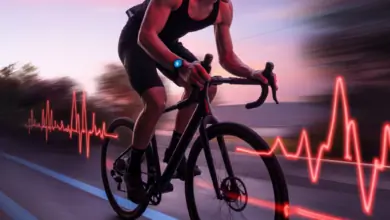
Pro athlete: A pro cyclist uses whole-body cryotherapy after intense races to reduce inflammation and speed recovery — not for calorie burn. The metabolic effect is a small bonus.
Busy professional: A gym-goer uses cryotherapy once a week after heavy leg days to feel less sore and hit workouts more consistently, which helps maintain a calorie-burning training rhythm.
When cryotherapy might make a meaningful difference
Cryotherapy is most valuable as a recovery and performance tool. If you’re combining it with a structured training program, proper nutrition, and recovery protocols, those cumulative changes make the difference for body composition — not cryotherapy alone.
Frequently Asked Questions
1. How many calories do you burn in cryotherapy sessions compared to an ice bath?
Short cryotherapy sessions tend to burn fewer total calories than longer ice baths because they’re much shorter in duration. Ice baths or cold-water immersion for 10–30 minutes typically produce higher calorie burn due to sustained thermogenesis.
2. Can cryotherapy replace cardio or strength training for weight loss?
No. Cryotherapy can complement exercise by improving recovery, but it does not replace the cardiovascular and muscle-building benefits of regular training. Sustainable weight loss requires consistent exercise plus a nutrition plan.
3. Will I keep burning calories after a cryotherapy session?
Yes, there can be a short-lasting afterburn effect as your body returns to baseline temperature (post-exposure metabolic elevation). However, this post-exposure increase is modest and short-lived compared with the calorie burn from an intense workout.
Conclusion: Use cryotherapy wisely — but don’t expect miracles
So, how many calories do you burn in cryotherapy? The answer: sometimes a little, sometimes more — but usually modest. Cryotherapy is a helpful recovery tool and can slightly boost energy expenditure, especially with longer cold exposures, but it should be used alongside solid exercise, nutrition, and sleep strategies. If you want to maximize fat loss and performance, focus on consistent strength training, quality nutrition, and targeted cold therapy for recovery. Ready to build a plan that uses recovery and science-backed training? Explore our wellness tips and start combining cryotherapy with a routine that actually moves the needle.