How Many Calories Do I Burn Rock Climbing — Real Numbers & Practical Tips

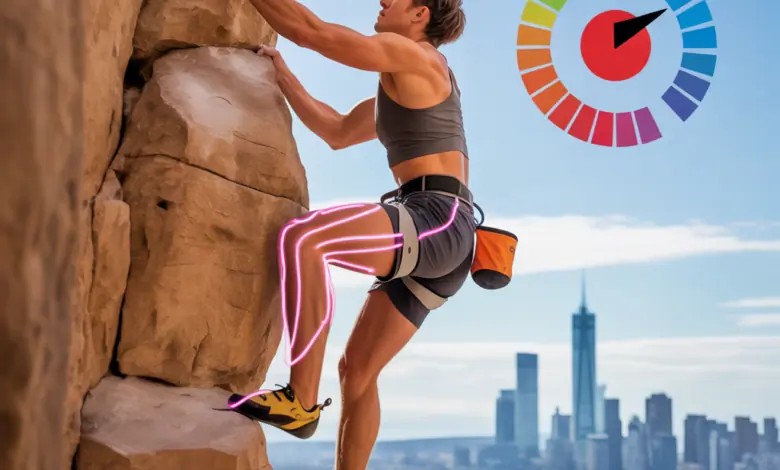
Ever finished a climbing session dripping with sweat, arms trembling, and wondered, “Did I really burn as many calories as that hour on the treadmill?” If you’ve ever asked yourself how effective rock climbing is for weight loss and fitness, you’re in the right place. Whether you’re a gym climber, weekend trad enthusiast, or a bouldering addict, this guide breaks down calorie burn, intensity differences, and practical tips to maximize results.
How many calories do i burn rock climbing?
Short answer: it depends. Rock climbing calorie burn varies widely based on your body weight, the type of climbing (bouldering, top-rope, sport, trad), intensity, and duration. A useful formula to estimate calories burned is:
Calories burned per hour ≈ MET value × body weight (kg)
MET (Metabolic Equivalent of Task) values for climbing typically range from about 5 for light, technical top-rope climbing up to 10+ for intense bouldering or steep sport climbing. Example estimates:
- Light climbing / easy top-rope (MET ≈ 5): a 68 kg (150 lb) climber burns ≈ 340 kcal/hour.
- Moderate rock climbing (MET ≈ 7): same climber burns ≈ 476 kcal/hour.
- Vigorous bouldering or sustained hard routes (MET ≈ 9–10): burns ≈ 612–680 kcal/hour.
So for many climbers, expect a range of roughly 300–800 calories per hour depending on effort — heavier climbers and higher-intensity climbing are on the higher end.
Why estimates vary
Wearable devices and apps can under- or overestimate calorie burn during climbing because climbing is intermittent, upper-body dominant, and often involves periods of rest. Factors that change your burn include:
- Route difficulty and steepness
- Climbing style (bouldering vs. long routes)
- Rest intensity (active rest and downclimbing burn more)
- Muscle mass and fitness level
Types of climbing and typical calorie burn
Understanding how different climbing formats impact energy use helps you choose sessions that match your goals.
Bouldering
Short, powerful, and intense—bouldering often has the highest calories-per-minute because of explosive moves and minimal rest between attempts. Expect 500–800 kcal/hour for sustained sessions.
Sport and trad climbing
Longer, more endurance-focused. Top-rope laps and multi-pitch sport/trad climbing burn calories steadily (300–600 kcal/hour), especially when you’re topping out multiple routes in a session.
Indoor gym sessions
Gym climbing varies—technique work, circuits, and continuous laps will burn more than casually trying a single route. Structured circuits and ARC training increase calorie burn.
Practical tips to maximize calorie burn while climbing
Want to make the most of your time on the wall? These actionable tips help you burn more calories, improve fitness, and reduce injury risk.
- Mix bouldering and route climbing: Alternate power-focused boulder circuits with longer endurance laps to get high-intensity intervals plus steady-state work.
- Use active rest: Downclimb or do light mobility between routes instead of sitting — it keeps heart rate up and increases total energy expenditure.
- Do interval-style sessions: 15–20 minute hard efforts followed by 5–10 minute easy climbs mimic HIIT and boost calorie burn and conditioning.
- Supplement with strength training: Pull-ups, deadlifts, and core work improve climbing efficiency and muscle mass, which raises resting metabolic rate. Check our workout routines for climbing-focused strength plans.
- Manage recovery: Proper sleep, mobility, and antagonist training prevent breakdowns and keep you hitting high-intensity sessions consistently.
Nutrition & recovery for climbers
Fueling correctly ensures you perform harder and recover faster — both essential if you want to increase calorie burn over time.
- Pre-climb snack: 30–60 minutes before, a small carb + protein snack (banana with peanut butter, yogurt) gives sustainable energy.
- Post-climb recovery: Aim for 20–30 g protein and carbs within an hour to support muscle repair (e.g., smoothie, chicken and rice).
- Hydration matters: Dehydration reduces power and increases perceived effort — drink regularly during sessions.
- Adjust calorie intake: If climbing is your primary cardio, track intake so you don’t unintentionally underfuel. For guidance see our nutrition guides.
Real-world examples
These examples show how different sessions produce different calorie totals for a 150 lb (68 kg) climber:
- 1-hour technique-focused top-rope session (MET 5) ≈ 340 kcal
- 1-hour bouldering session with short rests (MET 9) ≈ 612 kcal
- 90-minute mixed gym session (warm-up, circuits, route laps) ≈ 450–900 kcal depending on intensity
Tracking progress: devices and tips
Heart-rate monitors and chest straps generally give better calorie estimates for climbing than wrist-only devices because climbing moves the arms a lot without consistent arm-swing. Consider:
- Using perceived exertion (RPE) alongside device data
- Logging routes, attempts, and rest times to better estimate active time
- Tracking long-term changes in body composition rather than daily calorie counts
Frequently Asked Questions
1. How many calories do I burn rock climbing compared to running?
It depends on intensity. Moderate running (6 mph) burns about the same as vigorous climbing per hour for many people. However, climbing builds more upper-body strength and has more variable intensity—short bursts of very high effort mixed with rest—so the experience is different.
2. Will climbing help me lose weight?
Yes. Climbing can be an effective part of a weight-loss plan because it burns calories, increases muscle mass, and improves metabolism. Combine regular climbing with a calorie-conscious diet and strength training for best results. See our wellness tips for habit-based weight-loss strategies.
3. Do I need to eat more if I climb a lot?
Generally yes—if you increase training volume you should increase your energy and protein intake to support performance and recovery. Undereating can stall progress and increase injury risk.
Conclusion — Take action and climb smarter
So, how many calories do i burn rock climbing? The answer isn’t one number — expect roughly 300–800 calories per hour depending on intensity, body weight, and climbing style. Rather than obsessing over exact calories, focus on consistent sessions, varied training (power, endurance, strength), smart fueling, and recovery. Those steps will improve performance, increase overall calorie expenditure, and keep climbing enjoyable.
Ready to put this into practice? Try a mixed session this week: 20 minutes of boulder circuits, 30 minutes of endurance laps, and a 15-minute mobility cooldown. Track how you feel, tweak your nutrition with our nutrition guides, and explore targeted strength in our workout routines. Share your progress and keep climbing.
Call to action: Grab your chalk and plan one focused session this week — aim for a combination of power and endurance, and note your perceived effort. Come back, compare results, and climb smarter every session.