How Long To Train For A Triathlon

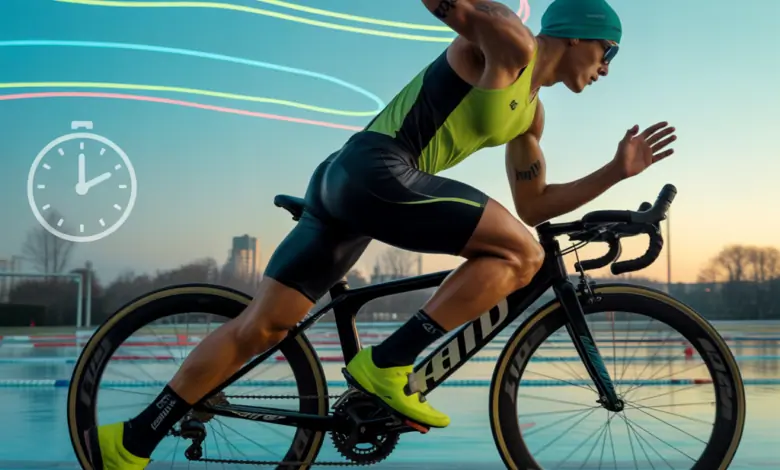
Ever daydreamed about crossing a triathlon finish line—wet hair, salty skin, and a grin that won’t quit—but wondered, “how long to train for a triathlon?” Whether you’re staring at a race calendar for the first time or trying to fit training around work and family, the timeline can feel overwhelming. Good news: with the right plan, realistic expectations, and focused workouts, you can get race-ready without burning out.
How long to train for a triathlon: the quick answer
There isn’t one perfect answer—training time depends on the race distance, your current fitness, and your goals. Use these general timelines as a starting point:
- Sprint triathlon (short): 8–12 weeks for beginners with a basic fitness base.
- Olympic distance: 12–20 weeks, especially if you need to boost swim or bike skills.
- Half-Ironman (70.3): 20–28 weeks for consistent, progressive volume buildup.
- Ironman: 6–12 months depending on experience and available training hours.
These ranges are flexible. A runner or cyclist starting triathlon training may need less time; a swim-first novice may need more swim-focused weeks to build confidence in open water.
Factors that change your timeline
Current fitness and background
If you already run 20–30 miles a week or cycle regularly, your base fitness shortens the time to race-ready. Swimmers new to the sport should prioritize technique and open-water practice.
Race distance and goal pace
Are you aiming to finish or to compete for a podium spot? Race performance targets dictate the intensity and length of the training cycle.
Weekly time available
Training three times a week looks different from training ten hours across six days. Plan realistic weekly hours—6–10 hours for sprint/Olympic, 8–14+ for half-Ironman, and 10–20+ for Ironman depending on goals.
Sample training blocks and weekly breakdowns
Below are three sample blocks for common athlete profiles. Adjust volume and intensity based on your progress.
Sprint triathlon (12-week plan for busy beginners)
- Weeks 1–4: 3 sessions/week (swim 2x, bike 1x, run 2x easy, 1 strength session). 3–5 total hours/week.
- Weeks 5–8: 4 sessions/week (add bricks: bike+run). Swim technique + intervals. 4–6 hours/week.
- Weeks 9–12: Race-specific workouts, open-water swim practice, taper week before race. 3–5 hours/week.
Olympic distance (16-week outline)
- Base (Weeks 1–6): Build aerobic volume across all three sports, 5–8 hours/week.
- Build (Weeks 7–12): Introduce tempo runs, threshold bike intervals, long swim sets, bricks 1–2x/week.
- Peak & taper (Weeks 13–16): Race efforts, reduced volume, maintenance intensity, recovery focus.
Half-Ironman (24-week gradual plan)
- Base (8–10 weeks): Steady aerobic base, strength work, technique emphasis.
- Build (8–10 weeks): Increase long rides and runs, race nutrition practice, two brick sessions/week.
- Peak & taper (4–6 weeks): Highest volume, sharpen race pace, then reduce volume before race day.
Key workouts to include (and why they matter)
- Swim drills — technique saves energy. Practice sighting and open-water starts to reduce race-day panic.
- Bike intervals — threshold and tempo rides build sustainable power and speed.
- Brick sessions — bike-to-run workouts teach your legs to transition smoothly and avoid “jelly legs.”
- Run speed work — tempo runs and intervals improve race pace efficiency and aerobic capacity.
- Strength training — 2x/week of mobility and functional strength reduces injury risk and improves power.
Practical training tips and workout variations
- Short on time? Use high-quality sessions: one interval ride, one tempo run, one focused swim, and a short brick per week. Quality beats quantity.
- Beginner-friendly swim variation: 10 min warm-up, 6×50 m focusing on form, 4×100 m at steady pace, cool down.
- Time-crunched bike workout: 45–60 minutes with 5×4 minutes at threshold effort, 3 minutes easy between repeats.
- Easy recovery week every 3–4 weeks to avoid overtraining—drop volume by 30–40% and keep intensity low.
- Practice race nutrition on long sessions: mimic what you’ll eat and drink on race day to avoid GI issues.
Healthy lifestyle habits that speed progress
- Prioritize sleep—7–9 hours/night helps repair muscles and consolidate training gains.
- Protein-rich meals within 60 minutes after hard workouts to aid recovery.
- Hydration and electrolyte replacement, especially during long rides or hot-weather training.
- Cross-training like yoga or mobility work improves flexibility and reduces injury risk—see more in our wellness tips page.
Real-world examples: from couch to finish line
Anna, a busy teacher, completed a sprint triathlon after 10 weeks of consistent training: two short swims, one interval bike, two runs (one brick), and one strength session per week. She balanced family time and recovered well by prioritizing sleep and nutrition.
Mark, a weekend cyclist, targeted an Olympic triathlon in 14 weeks. Because of his cycling base, he focused on swim technique and run speed sessions. His key was two bricks weekly and monthly open-water swims.
Signs you need more time
- Persistent fatigue that doesn’t resolve after easy weeks.
- Repeated injuries or nagging pain—don’t push through; extend your timeline and get support.
- Swim anxiety in open water—spend extra weeks on confidence-building sessions before race day.
Frequently Asked Questions
How many hours per week should I train for a triathlon?
It depends on the distance: sprint triathletes can see gains with 3–6 hours/week, Olympic racers often train 6–10 hours/week, half-Ironman athletes typically do 8–14+ hours/week. Focus on quality sessions if time is limited.
Can I train for a triathlon in 6 weeks?
Six weeks is tight but possible for a very short sprint if you have a solid aerobic base in at least one discipline. For most beginners, 8–12 weeks is a safer, healthier timeline to build fitness and confidence.
How do I avoid overtraining while preparing for a race?
Build gradually (10% weekly volume increases max), schedule recovery weeks, prioritize sleep and nutrition, and listen to your body. If you notice performance declines, irritability, or disturbed sleep, back off and consult a coach or medical professional if needed.
Conclusion — Ready to plan your training?
So, how long to train for a triathlon? Start with the timelines above, tailor them to your starting point, and prioritize consistent, quality sessions over random volume. Whether you’re chasing a finish line or a personal best, a thoughtful plan, smart recovery, and realistic expectations will get you there. Ready to build your training plan? Check our workout routines and nutrition guides to start crafting a race-ready schedule today.
Sign up for weekly tips, or leave a comment with your race distance and current fitness—I’ll help you estimate a personalized timeline.