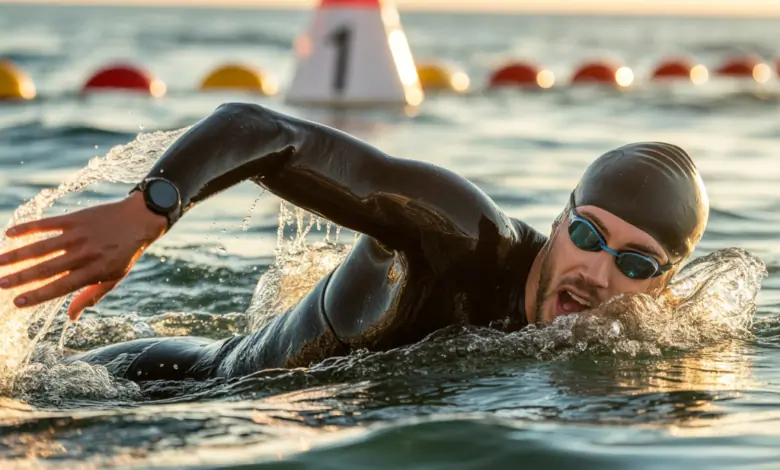
Have you ever stood at the edge of a lake, wetsuit zipped up, heart pounding, and wondered: how long is the swim in a triathlon and can I actually get through it without panicking? Whether you’re a nervous beginner imagining your first sighting chop or a seasoned multisport athlete dialing in race-day pacing, understanding swim distances, expected times, and targeted training makes the whole experience much less intimidating.
Common Triathlon Distances and Swim Lengths
Triathlons come in a variety of formats, and the swim leg varies accordingly. Here’s a quick breakdown of the most common race types and typical swim distances:
- Super-sprint: 200–400 meters (great for beginners and youth events)
- Sprint: ~750 meters (common local races)
- Olympic / Standard: 1,500 meters (aka 1.5 km)
- Half-Ironman (70.3): 1.9 km (1,900 meters)
- Ironman: 3.8 km (3,800 meters)
Those distances are swim length standards, whether the swim is held in open water (lake, sea, river) or in a controlled pool. Race organizers may adjust distances slightly, but these are the norms you should prepare for.
How long is the swim in a triathlon — and how long will it take?
The hard part: there’s no single answer to how long the swim will take — it depends on distance, conditions, and your swimming speed. As a general guide for open-water swim times:
- Sprint (750 m): 12–25 minutes
- Olympic (1,500 m): 25–50 minutes
- Half-Ironman (1.9 km): 35–65 minutes
- Ironman (3.8 km): 60–120+ minutes
Beginners often average 2:00–2:30 per 100 m in open water; confident swimmers may be closer to 1:30–1:45 per 100 m. Wave starts, current, chop, and swim congestion can add time, so plan conservatively.
What affects swim time? (Real-world factors)
Several variables will change your swim duration:
- Open-water conditions: Wind, waves, and currents slow you down and increase fatigue.
- Course layout: Longer sighting lines, multiple turns, or deep-water starts add difficulty.
- Equipment: Wetsuits can improve buoyancy and speed in cooler water; poor-fitting goggles cost time with adjustments.
- Race skills: Sighting, drafting, and mass starts matter — practice these to shave minutes off your time.
Training tips to improve your triathlon swim
Improving the swim leg is less about raw distance and more about targeted practice. Here are practical, actionable strategies that bring fast results.
Pool workouts (speed + endurance)
- Warm-up: 400 m easy swim with drills (catch-focused drills for technique).
- Main set example: 6 x 200 m at race-pace with 30–45 sec rest, OR 10 x 100 m with descending times to build speed endurance.
- Cool-down: 200 m easy, focusing on long strokes and relaxed breathing.
Interval training builds both speed and sustainable pace. Track your 100 m pace and aim to lower it gradually.
Open-water skills (sighting, starts, and drafting)
- Practice sighting every 6–8 strokes — lift your eyes briefly to spot a landmark or buoy.
- Simulate race starts by practicing mass-start sprints in a group setting to get comfortable with contact.
- Draft practice: swim behind or alongside a partner to learn positioning and save energy.
Strength and mobility
- 2–3 sessions per week of dryland strength focusing on core, shoulders, and lat strength: pull-ups, rows, planks, and rotator cuff work.
- Mobility drills for the shoulders and thoracic spine reduce injury risk and improve stroke length.
Sample weekly swim plan for busy athletes
- Monday: Technique + short intervals (45 min)
- Wednesday: Long steady swim (45–60 min) focusing on distance comfort
- Friday: Speed set (30–45 min) with short repeats
- Weekend: Open-water session or race-pace simulation
Nutrition, recovery, and healthy lifestyle advice
Training smart includes fueling and recovery. If your swim training is ramping up, pay attention to:
- Hydration: You still sweat while swimming. Drink fluids before and after sessions.
- Pre-workout fueling: A small carb-rich snack 30–60 minutes before an early swim helps energy levels (banana, toast, or a small yogurt).
- Post-swim recovery: Combine carbs and protein within 30–60 minutes to repair muscles (smoothie, sandwich, or recovery shake).
- Sleep and stress: Aim for 7–9 hours per night — recovery is when progress happens.
For tailored meal timing and fueling strategies, check our nutrition guides.
Real-world example: From nervous beginner to confident sprint racer
Meet Jane, a 35-year-old teacher who could barely swim 200 m continuously. With a 12-week plan emphasizing technique, two pool sessions, one open-water swim a week, and strength work, she cut her 100 m pace from 2:20 to 1:50. On race day for a sprint triathlon (750 m swim), her swim leg time dropped from an estimated 30+ minutes during practice to a clean 18:30 in open water — enough to leave her energized for a strong bike and run. The secret was structured intervals, frequent sighting practice, and race-simulation workouts.
Gear & race-day tips
- Wetsuit trial: Try your wetsuit in open water before race day to check fit and buoyancy.
- Goggles: Carry a backup pair and anti-fog treatment for calm vision during your swim.
- Warm-up: Do a short in-water warm-up and practice a few race-pace efforts to feel loose.
- Pacing: Start controlled — many first-time triathletes waste energy fighting the start and pay for it later.
Want structured swim workouts? Explore our workout routines for pool and open-water sessions.
Frequently Asked Questions
1. How long is the swim in a triathlon for beginners?
Beginners usually start with super-sprint or sprint distances. Super-sprints are 200–400 m and sprints are around 750 m. Many novice-friendly events advertise shorter swim legs or alternative courses to accommodate newer swimmers.
2. Do wetsuits make a big difference in swim time?
Yes. Wetsuits improve buoyancy and streamline body position, often lowering swim times noticeably—especially for those with less natural body buoyancy. Check race wetsuit rules and practice with one to get used to restricted shoulder movement.
3. How should I practice open-water swimming safely?
Always swim with a buddy or coach, use a bright swim buoy for visibility, check local conditions, and acclimate gradually to colder water. Take an open-water clinic if possible to learn sighting, group-start etiquette, and safe exit strategies.
Conclusion — Ready to swim smarter?
So, how long is the swim in a triathlon? It depends on the race format, conditions, and your fitness, but with specific training and smart race skills you can control your swim performance and turn it into a strength. Start with realistic goals, practice open-water skills, and build consistent pool workouts. If you want structured plans, check our workout routines and wellness tips to create a balanced triathlon program.
Feeling ready? Commit to one focused swim session this week—set a small, measurable goal (like improving your 100 m pace by 5–10 seconds) and track your progress. Share your experience or questions in the comments below, or sign up for our newsletter to get weekly training tips and race-day checklists.