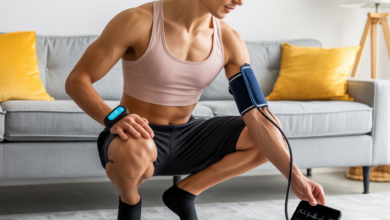
Did you picture yourself back in the gym a week after surgery, eager to sweat off the last bit of baby weight or tone your midsection? If you’ve asked “how long after tummy tuck can i workout,” you’re not alone — the desire to return to exercise is natural, but timing and technique matter for a safe recovery and lasting results.
Introduction: Why timing matters after an abdominoplasty
A tummy tuck (abdominoplasty) reshapes your abdominal wall and removes excess skin. While results can be transformative, the body needs time to heal. Rushing back into exercise can increase swelling, cause wound issues, or even reverse some surgical benefits. In this guide I’ll walk you through a practical, week-by-week approach to restarting activity, low-impact workouts and progressive strength moves, plus lifestyle tips to support recovery.
How long after tummy tuck can i workout? A week-by-week guide
Week 0–2: Rest, gentle walking, and wound care
- Focus: rest, incision care, pain management, short walks.
- Activity: brief, frequent walks (5–10 minutes every few hours) to reduce blood clots and encourage circulation.
- Avoid: lifting anything heavier than a gallon of milk, bending deeply, intense core engagement.
- Tip: wear prescribed compression garment and follow your surgeon’s dressing instructions.
Week 3–4: Light activity and low-impact cardio (with surgeon approval)
- Focus: increase walking distance and gentle mobility, introduce light household activities.
- Activity: 20–30 minute slow walks, gentle stationary bike (no resistance), gentle range-of-motion exercises for hips and legs.
- Avoid: abdominal crunches, heavy lifting, high-impact cardio like running or jumping.
Weeks 5–8: Begin supervised strength work and core reactivation
- Focus: reintroduce light resistance training and core activation with modifications.
- Activity examples:
- Supine pelvic tilts and diaphragmatic breathing to reconnect core muscles.
- Bridges (glute bridges) with bodyweight, clamshells, and seated rows with light bands.
- Low-impact cardio 30–40 minutes (elliptical, brisk walking, stationary bike).
- Avoid: full sit-ups, heavy deadlifts or overhead pressing until cleared.
Weeks 9–12: Progress to moderate-intensity workouts
- Focus: gradually increase intensity and reintroduce compound movements.
- Activity: controlled squats, lunges, light kettlebell swings (very light), and modified planks for short holds.
- Tip: consult your surgeon or physical therapist about when to add progressive resistances and return to gym classes.
3–6 months: Return to full workouts and performance training (individual)
Many people return to full exercise — including running, heavy lifting, HIIT and sports — between 3 and 6 months post-op, depending on healing, scar maturation, and surgeon guidance. Always get explicit medical clearance before resuming maximal lifting or high-impact training.
Practical fitness tips and safe workout variations
- Listen to your body: stop if you have sharp pain, increasing swelling, drainage from the incision, or fever.
- Gradual progression: increase workout duration or resistance by no more than 10% per week.
- Start with low-impact cardio: brisk walking, recumbent bike, swimming (only after incision is fully healed and cleared by your surgeon).
- Core reactivation: use diaphragmatic breathing, heel slides, and pelvic tilts before attempting planks or crunches.
- Strength training variations:
- Weeks 5–8: seated dumbbell presses, bodyweight squats, banded rows.
- Weeks 9–12: goblet squats, Romanian deadlifts with light weight, farmer’s carries with light load.
- Post-clearance: progressive overload for hypertrophy or strength phases.
- Scar care and mobility: gentle scar massage after the incision is healed can improve mobility and comfort.
Healthy lifestyle advice to speed recovery
Exercise is one piece of the puzzle. Nutrition, sleep and habits all influence healing and results.
- Protein-rich foods: aim for lean protein at each meal to support tissue repair.
- Hydration: enough water helps reduce swelling and supports metabolic healing.
- Anti-inflammatory choices: fruits, vegetables, omega-3 sources (like salmon or flaxseed) and limited processed foods.
- Sleep: aim for 7–9 hours; sleeping elevated (with pillows) can help reduce abdominal swelling in early recovery.
- Smoking cessation: nicotine delays wound healing — stop before and after surgery if possible.
Real-world examples: what recovery looks like for different people
Sophie, a 36-year-old mom, started walking on day two, introduced banded rows and glute bridges at week 6, and returned to light spinning at week 10 after her surgeon’s clearance. Her key was patience and scaling intensity slowly.
Mark, a 42-year-old recreational athlete, waited until month 4 to resume heavier squats. He worked with a physical therapist to rebuild pelvic stability and avoid straining his incision. By month 6 he was back to competitive tennis with no complications.
When to call your surgeon
Contact your surgical team if you experience: increasing redness or warmth at the incision, heavy or persistent drainage, fever over 101°F (38.3°C), sudden severe pain, numbness that worsens, or leg swelling and calf pain (possible clot risk). Early communication prevents complications and helps guide safe exercise progression.
Frequently Asked Questions
1. How soon can I start walking after a tummy tuck?
Light walking is recommended as soon as the day of or day after surgery, depending on your surgeon’s instructions. Short, frequent walks help circulation and reduce clot risk — but avoid long or vigorous walks in the first 1–2 weeks.
2. When can I start strength training or lift weights again?
Light resistance work can usually begin around weeks 5–8 with medical clearance, focusing on non-abdominal movements and low weights. Heavy lifting and intense core training often wait until 3–6 months, depending on healing and surgeon approval.
3. Will exercising too early ruin my tummy tuck results?
Potentially. Pushing to heavy intensity or straining the abdominal area too soon can increase swelling, separate internal sutures, or lead to poor scar healing. A staged, monitored return to exercise preserves surgical results and supports long-term muscle function.
Conclusion: Planning your comeback — thoughtful, gradual, and surgeon-approved
So, how long after tummy tuck can i workout? The short answer is: it depends — but a smart timeline is rest for the first 1–2 weeks, light cardio and mobility by weeks 3–4, progressive strength from weeks 5–12, and a return to full activity by 3–6 months when cleared. Prioritize gradual progression, scar care, and clear communication with your surgeon or physical therapist.
If you’re ready to plan your post-op routine, explore our workout routines for modified plans, check our nutrition guides for recovery-friendly meal ideas, and read our wellness tips to optimize sleep and stress management. Want personalized guidance? Book a consult with your healthcare team and start a safe, effective comeback today.