How Are Cycling Shorts Supposed to Fit? The Ultimate Fit Guide for Comfort & Performance

Ever finished a great ride only to realize your shorts caused more distraction than comfort? You’re not alone. Whether you’re a weekend warrior, commuter, or training for a Gran Fondo, understanding how are cycling shorts supposed to fit can transform your ride—reducing chafing, improving power transfer, and making long miles genuinely enjoyable.
Why fit matters: comfort, performance, and preventing chafing
Cycling shorts aren’t just snug leggings; they’re engineered apparel with a chamois (padding) and compression panels that support muscles and protect skin. A proper fit helps you maintain an efficient riding position, reduces friction against the saddle, and minimizes numbness. Poor fit leads to saddle sores, waistband pinching, rolling leg grippers, and wasted energy from constant adjustment.
How are cycling shorts supposed to fit?
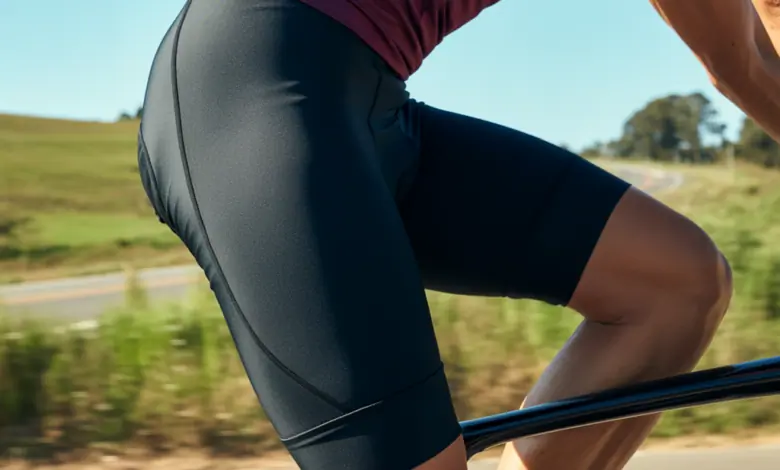
Here’s the short answer: cycling shorts should feel snug like a second skin without cutting off circulation. The waistband should sit securely without pinching, the leg cuffs should lie flat against the thigh without rolling, and the chamois should align with your sit bones while remaining comfortable when you pedal.
Key fit checkpoints
- Snugness: Compression is normal—shorts should support, not squeeze painfully.
- Chamois placement: The pad should sit under your sit bones, not under your groin or too far back.
- Leg openings: Grippers should prevent riding up while allowing full blood flow.
- Waist and rise: Waist should be comfortable; bib shorts eliminate waist pressure but require the right torso fit.
- No bunching: Fabric should be flat across seams—no wrinkles where the pad meets the fabric.
Types of shorts and how they affect fit
Regular shorts vs. bib shorts
Bib shorts use shoulder straps to keep the waist free from pressure—great for long rides and those who dislike waistband pinching. Regular shorts (non-bib) are easier for quick bathroom breaks. Fit rules are similar, but bibs must also fit your torso length; straps that are too tight will lift your hips, too loose and the chamois shifts.
Pad types and thickness
Performance-oriented riders often choose thinner, denser chamois for better power transfer and a race fit. Recreational riders may prefer thicker padding for added comfort on longer, less aggressive rides. Fit remains the priority—no amount of padding compensates for a misaligned chamois.
Practical tips to find your ideal size
- Measure your hips and waist and consult each brand’s size chart—sizes vary between manufacturers.
- Try them on in a riding position: squat or mimic your cycling posture to check chamois alignment and compression.
- Test a short ride: a 30–60 minute spin will reveal pressure points and saddle interaction.
- If the leg bands roll up, try a different size or brand—some use silicon grippers, others stretch fabric.
- Consider bibs if you experience waist discomfort or want a cleaner fit around the torso.
Real-world examples: common scenarios
Example 1: Jamie, a commuter, switched to bib shorts after long rides left her waistband digging in. The bibs removed the pressure and kept the chamois in place during sprint efforts. Example 2: Marcus, a new road rider, felt numbness until he moved up one size—his original shorts put the pad under his groin. Example 3: Sam, who rides mixed terrain, chose a thicker chamois and slightly looser fit for endurance comfort.
Workout tips to complement your shorts choice
Well-fitted shorts are part of the equation; strong hips and a stable core make them work better. Try these supplements to your ride routine:
Off-bike strength exercises
- Glute bridges (3 sets of 12): build posterior chain stability for a better saddle position.
- Single-leg deadlifts (3 sets of 8 per leg): improve balance and pedal stroke symmetry.
- Planks and side planks (3 x 45 seconds): enhance core endurance to hold good posture.
On-bike workout variations
- Tempo rides (20–40 minutes steady at slightly harder than comfortable pace) to train sustained power.
- Interval sessions (6 x 3 minutes hard with 3-minute recovery) to simulate climbs and sprints.
- Long endurance rides (2+ hours at conversational pace) to test chamois comfort and nutrition strategy.
Lifestyle & gear care advice for lasting comfort
Properly caring for cycling shorts preserves fabric elasticity and pad integrity. Machine wash inside out on cold, avoid fabric softeners (they reduce wicking), and air dry. Rotate multiple pairs if you ride frequently to let padding fully dry between uses. Use chamois cream sparingly to prevent friction on long rides, and re-evaluate saddle position if discomfort persists.
Frequently Asked Questions
1. How tight should cycling shorts be?
They should be snug and compressing but not painful. You should be able to move freely; there should be no numbness or circulation loss. If you can pinch an inch of fabric over the thigh, they’re likely too loose.
2. Are bib shorts better than regular cycling shorts?
Bibs reduce waistband pressure and keep the chamois stable—often preferred for long rides. Regular shorts are convenient for quick bathroom stops. The “better” option depends on comfort preferences and ride duration.
3. How do I prevent chafing and saddle sores?
Ensure proper fit, keep shorts clean, use chamois cream on long rides, and maintain good saddle hygiene. Strengthen your core and glutes to reduce excessive movement, and adjust saddle position if you feel hotspots.
Conclusion: Fit matters—test, adjust, and enjoy the ride
So, how are cycling shorts supposed to fit? They should feel like a supportive second skin—snug, well-aligned, and comfortable through your typical riding positions. Take time to measure, try on, and test-ride different styles (bib vs. regular, pad thickness, brand sizing). Small changes in fit can make big differences in comfort, performance, and enjoyment.
Ready to optimize your gear and training? Try a short test ride in a new pair, add targeted strength sets to your weekly routine, and check out our workout routines, nutrition guides, and wellness tips to support better riding. Share your fit wins or questions below—let’s keep you comfortable and strong on every ride.