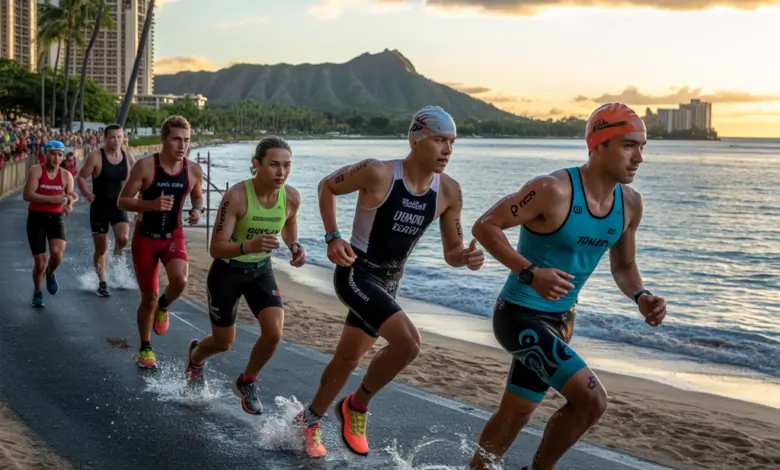
Have you ever imagined crossing a finish line with warm ocean spray in your face and Diamond Head watching from the shore? Whether you’re picturing your first sprint triathlon or aiming to PR in a full-distance race, this Honolulu triathlon guide for everyone will help you prepare for the heat, the sea, and the course with confidence.
Why Honolulu is a unique triathlon destination
Climate, course and local flavor
Honolulu offers sun-soaked ocean swims, salty sea air, and tropical humidity that changes everything about training and race-day strategy. Expect warm water temperatures, steady trade winds, and crowded bike and run courses near Waikiki and Ala Moana. These elements make pacing, hydration, and open-water skills essential.
What that means for everyday athletes
Heat acclimation, salt-resistant nutrition, and surf-aware swim practice become non-negotiables. Even recreational athletes and first-timers can succeed with a realistic training plan that respects Honolulu’s climate and course profile.
Training plan and fitness tips
Below is a flexible weekly template you can adapt to a sprint, Olympic, or half-distance goal. Swap volumes and intensity depending on your race distance and current fitness level.
Sample 8-week weekly template (adaptable)
- Monday: Active recovery — yoga or an easy 30–45 min swim focusing on technique.
- Tuesday: Bike intervals — warm-up, 6 x 4 min at threshold with 3 min easy spinning, cool-down.
- Wednesday: Run speed — 6–8 x 400–800m repeats or tempo run 20–30 min at race pace.
- Thursday: Brick session — 45–60 min steady bike followed by a 15–25 min run off the bike.
- Friday: Long swim — open water practice if possible, focus on sighting and pack swimming.
- Saturday: Long ride or race simulation — include climbs and practice fueling.
- Sunday: Long run or cross-train — easy run 60–90 min or a hike for active recovery.
Smart workout variations
- Swim drills: bilateral breathing, sighting sets, and mass-start practice. Simulate chop by swimming in open water once per week.
- Bike: include hill repeats to prepare for short climbs and technical descents. Practice cornering and race-line riding.
- Run: heat-specific sessions — run at a slightly lower speed in heat to adapt, progressively increase time in hot conditions.
- Strength: twice-weekly strength training focusing on glutes, core, and shoulder stability to improve form and prevent injury.
Honolulu triathlon guide for everyone: race-day checklist
Race day in Honolulu requires careful planning. Below is a practical checklist to reduce stress and maximize performance.
- Gear: wetsuit (check temperature rules), tri suit, race belt, goggles (with anti-fog), helmet, clipped shoes or sandals for T1/T2, sunscreen (reef-safe), sunglasses.
- Nutrition: familiar gels or chews, electrolyte drink, easy-to-digest pre-race breakfast 2–3 hours before start.
- Hydration & heat plan: sip electrolytes pre-race, cool with water at aid stations, use ice if available, start conservatively if it’s hot.
- Transitions: label gear, practice quick dismounts and bike racking, rehearse putting on helmet and shoes quickly.
- Open-water tips: warm up in water, find a clear sighting pattern (landmarks like hotels or buoys), draft smartly, and swim relaxed strokes after congestion.
Nutrition and healthy lifestyle advice
Nutrition in Honolulu is both delicious and strategic. You’ll want to fuel with local foods that support training while staying mindful of race fueling needs.
Daily fueling
- Breakfast: oats or rice porridge with banana and a little nut butter for stable energy.
- Lunch: lean protein, vegetables, and complex carbs — poke bowls, grilled fish with rice and greens are excellent options.
- Pre-workout: small snack 60–90 minutes before training (toast with jam, banana).
- Hydration: water + electrolytes; tropical humidity increases sweat sodium losses, so include electrolyte tablets or drinks regularly.
Recovery and lifestyle
Prioritize 7–9 hours of sleep, active recovery days with light mobility work, and consistent stretching. Use Hawaiian outdoor activities—swimming, paddling, hiking—as cross-training that keeps motivation high while building fitness.
Practical tips and real-world examples
Meet Sarah, a busy teacher who wanted to complete a sprint triathlon in Honolulu. She started with two swim sessions, two bike rides, and two runs per week, added one strength session, and practiced one open-water swim every weekend. By week 10 she was comfortable with crowded starts, and she learned to eat a small carbohydrate snack before early morning workouts to prevent bonking in the heat.
Or consider Marco, who lived at sea level and struggled with humidity. He shifted many workouts to early morning, used sauna sessions to accelerate acclimation, and reduced training intensity for a week when travel fatigue set in—protecting his immune system and ensuring race-day freshness.
These real-world adjustments—time-of-day training, heat acclimation, and realistic tapering—are what turn good training blocks into race-day success.
Frequently Asked Questions
1. How do I start training for an open-water swim in Honolulu?
Begin with pool-based technique work: drills for bilateral breathing and sighting. Gradually add short open-water sessions to practice navigation, sighting, and dealing with chop. Join local group swims to simulate pack dynamics and learn from experienced swimmers.
2. How should I adjust nutrition for heat and humidity?
Increase electrolyte intake, favor easily digestible carbs during long sessions, and pre-hydrate with electrolyte drinks. Avoid heavy meals before morning workouts and use quick sugars (gels, chews) during long rides or runs if needed.
3. What gear is essential for a Honolulu triathlon?
Essentials include a comfortable tri suit, goggles suited for bright sunlight, a helmet with good ventilation, reef-safe sunscreen, and footwear appropriate for hot pavement. Practice with the exact gear so nothing surprises you on race day.
Next steps and resources
Ready to build your specific program? Check tailored workout routines, detailed nutrition guides, and daily wellness tips to support consistent progress. Use these resources to adapt volumes, adjust nutrition, and plan recovery so that race day is the celebration of your consistent effort.
Conclusion — take action now
This Honolulu triathlon guide for everyone shows that with sensible training, heat-aware nutrition, and transition practice you can enjoy the islands and reach your race goal. Start by scheduling three focused sessions this week—swim, bike, run—add one strength day, and book an open-water practice. Sign up, show up, and savor the experience. Ready to get started? Plan your first week and commit—Honolulu is waiting.