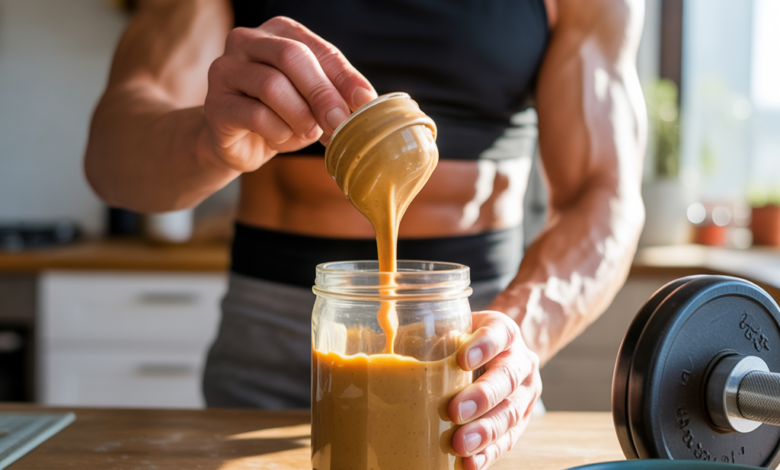
Ever stood in the grocery aisle staring at a wall of jars and wondered which peanut butter is actually good for your goals? Or imagined a creamy, fresh peanut spread made in minutes with just peanuts and a blender? If you’re focused on clean eating, muscle gain, or simply want a natural peanut spread without preservatives, homemade peanut butter might be your new kitchen staple.
Why Choose Homemade Peanut Butter? The benefits for health and performance
Making your own peanut butter at home—also referred to as natural peanut butter or fresh ground peanut spread—gives you control over ingredients, texture, and sodium. For athletes and fitness enthusiasts, this means more protein per serving without hidden sugars, unhealthy oils, or stabilizers. Here’s why it pays to make your own:
- Cleaner ingredient list: roasted peanuts ± a pinch of salt, optional oil or honey.
- Better macros: higher protein and healthy monounsaturated fats for sustained energy.
- Cost-effective and customizable texture: creamy, chunky, or whipped.
- Great for meal prep: portion jars for pre/post-workout snacks or smoothies.
Nutrition snapshot: what to expect
A 2-tablespoon serving of homemade peanut butter typically contains about 180–200 calories, 7–8 g protein, 14–16 g fat (mostly healthy fats), and 4–6 g carbs. By making it yourself you can reduce added sugars and control sodium, making it ideal for muscle recovery, weight management, or endurance fueling.
How to Make Homemade Peanut Butter: simple recipe and variations
Here’s an easy homemade peanut butter recipe (no fancy equipment required) so you can learn how to make peanut butter at home that’s both delicious and fitness-friendly.
Ingredients
- 2 cups roasted unsalted peanuts (skin on or off)
- Optional: 1/2 teaspoon fine sea salt
- Optional: 1 teaspoon neutral oil (peanut oil, avocado oil) for extra creaminess
- Optional: 1–2 teaspoons honey or maple syrup for a touch of sweetness
Method
- Place peanuts in a food processor or high-speed blender.
- Process for 1–2 minutes until they form a crumb texture; scrape down the sides.
- Continue processing for another 2–4 minutes until the peanuts release oil and become creamy. Add oil if needed for smoothness.
- Stir in salt or sweetener to taste. Transfer to a clean jar and store in the fridge for up to 3 weeks.
Flavor and fitness-friendly variations
- Protein boost: stir in a scoop of unflavored or vanilla protein powder for post-workout toast.
- Crunchy: reserve 1/4 cup chopped peanuts and stir in at the end.
- Sweet & spicy: add cinnamon and a pinch of cayenne for a metabolism-friendly kick.
- Chocolate peanut butter: blend in 1 tablespoon of cocoa powder for a dessert-style spread.
How to use homemade peanut butter in your fitness diet
Homemade peanut butter is versatile. Use it to add healthy fats and protein to meals and snacks that support training and recovery.
Meal and snack ideas
- Pre-workout: banana with 1 tbsp of peanut butter — quick carbs + stable fats for steady energy.
- Post-workout: whole-grain toast topped with peanut butter and sliced turkey or a protein shake + peanut butter spoon for added calories and recovery.
- Smoothies: blend 1 tbsp for creaminess and extra calories in weight-gain plans.
- Energy bites: mix peanut butter, oats, honey, and protein powder — roll and refrigerate for grab-and-go snacks.
Practical portion and timing tips
Portion control is key. If you’re cutting, stick to 1 tablespoon servings; for maintenance or bulking, 2–3 tablespoons can be an effective, nutrient-dense calorie source. Combine peanut butter with lean protein (chicken, Greek yogurt, protein powder) and veggies or whole grains to balance meals.
Workout variations that pair well with peanut butter nutrition
Depending on your goals, pair your peanut-butter-fueled meals with workouts that match energy intake.
For fat loss
- High-intensity interval training (HIIT): 20–30 minutes of sprints or bodyweight circuits after a light peanut-butter snack 30–60 minutes before.
- Strength circuits: short rest periods, compound lifts to maintain muscle while in a calorie deficit.
For muscle gain
- Heavy lifting split: push/pull/legs with 6–12 reps per set; include a peanut butter snack post-workout to help reach calorie and fat targets.
- Progressive overload: pair compound lifts with accessory work to maximize muscle stimulus.
Real-world example: Sarah, a busy teacher and weekend runner, makes a jar of homemade peanut butter every week. She eats 1 tbsp on whole-grain toast before morning runs for quick energy, and 2 tbsp blended with a protein smoothie after long runs—helping her recover and hit her weekly calorie needs without processed sugars.
Storage, safety, and healthy lifestyle advice
Store homemade peanut butter in an airtight jar in the fridge. Stir before use if natural oil separates. Always check peanuts for freshness before making and be cautious if you or family members have nut allergies. Balance is important: enjoy peanut butter as part of a varied diet rich in vegetables, fruits, lean proteins, whole grains, and adequate hydration.
Frequently Asked Questions
1. Is homemade peanut butter healthier than store-bought?
Yes, often. Homemade peanut butter contains fewer additives and allows you to control salt, sugar, and oils. Many commercial brands add hydrogenated oils, sugar, or preservatives—making the homemade version a cleaner choice.
2. Can I use raw peanuts to make peanut butter?
You can, but roasted peanuts produce a richer, creamier flavor and are easier to process. If using raw peanuts, consider roasting them in the oven at 350°F (about 175°C) for 8–10 minutes first.
3. How long does homemade peanut butter last?
Stored in the refrigerator in a sealed container, homemade peanut butter usually lasts 2–3 weeks. Use clean utensils to avoid contamination and smell the jar before using if it’s been stored for a while.
Conclusion: Make your own, fuel your fitness
Homemade peanut butter is a simple, nutritious, and cost-effective way to add healthy fats and protein to your meals. Whether you’re looking for a natural peanut spread for muscle gain, an easy homemade peanut butter recipe for snacks, or a clean alternative to store-bought jars, this DIY version fits into a balanced fitness lifestyle. Try the recipe this week, experiment with flavor variations, and pair it with targeted workouts to see how clean, homemade fuel supports your goals.
Ready to try it? Make a jar tonight and tag your progress in your meal prep routine. For more ideas on how to pair foods with training, check out our workout routines and nutrition guides, and browse additional wellness tips to keep your energy high and goals on track.
For more workout ideas, check out 6 Easy Workouts for Developing a Larger Chest.
For more workout ideas, check out 6 Easy Workouts for Developing a Larger Chest.