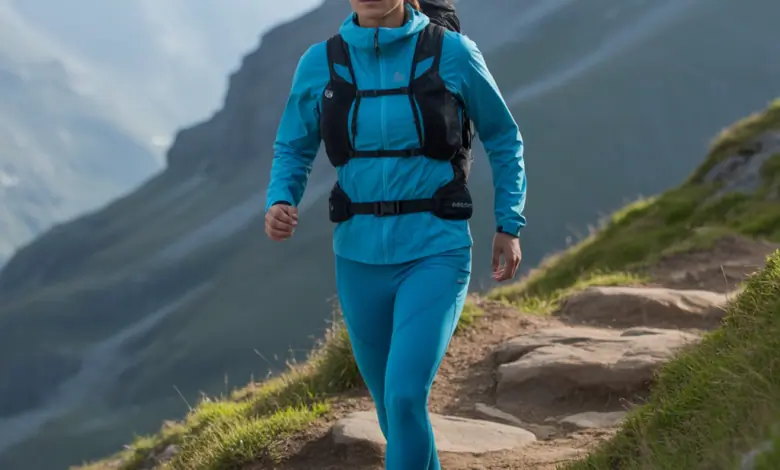
Ever stood at the trailhead sweating in a cotton T‑shirt, only to shiver during the descent? Or wondered if your “cute” hiking outfit is actually slowing you down on steep climbs? Choosing the right hiking outfit can make the difference between an energizing day on the trail and a slog you can’t wait to finish. In this guide you’ll learn how to build a practical, versatile hiking outfit that works for seasons, terrain, and your fitness goals.
Why the Right Hiking Outfit Matters
Your hiking clothes do more than look good in photos. The right combination of layers, fabrics, and footwear manages temperature, reduces chafing, prevents blisters, and protects you from sun and elements. A considered hiking outfit improves efficiency and safety—so you use less energy, stay comfortable longer, and recover faster after a hard hike.
How to Build the Perfect Hiking Outfit
Start with these core components and adapt based on weather and terrain.
1. Base Layer: Moisture Management
- Choose moisture-wicking materials—merino wool or synthetic fabrics are best. Avoid cotton; it holds sweat and chills you.
- For hot weather, lightweight breathable shirts and shorts or hiking skirts with liners keep you cool.
- For cold weather, heavier merino or thermal base layers maintain warmth while wicking moisture.
2. Mid Layer: Insulation
- Use fleece, synthetic insulation, or a lightweight down layer. Mid layers trap heat and are easy to shed on steep climbs.
- On variable days, pack a compressible insulated jacket to slip on during breaks or at summits.
3. Outer Layer: Protection
- A waterproof/breathable shell shields you from wind and rain. Look for taped seams and pit zips for ventilation.
- Softshells work well for dry, windy conditions where breathability and stretch matter.
4. Bottoms: Pants, Shorts, and Leg Protection
- Choose lightweight, quick‑dry hiking pants or convertible pants for versatility. Stretch panels improve mobility on scrambles.
- Trail running shorts are acceptable for well-maintained paths in summer; for brushy or cold trails, opt for long pants or gaiters.
5. Footwear: Boots vs Trail Runners
Footwear often defines your hike. Hiking boots offer ankle support and protection on rocky routes, while trail runners are lighter and dry faster—ideal for fastpacking or summer hikes. Break shoes in on shorter walks, and always pair them with proper hiking socks (merino or synthetic) and consider liners to reduce blisters.
Layering Tips and Seasonal Hiking Outfit Ideas
Layering lets you adapt to changing weather without overpacking. Here are simple outfit ideas for common scenarios:
- Summer day hike: Moisture-wicking T‑shirt, light hiking shorts, sun hat, sunglasses, and breathable trail runners.
- Spring/fall variable weather: Base layer, long-sleeve sun shirt, lightweight fleece, rain shell, convertible pants, and hiking boots.
- Winter alpine day: Thermal base layer, mid-weight insulated jacket, windproof shell, insulated pants or overtrousers, warm hat, and waterproof boots.
Accessories and Small Gear That Improve Any Hiking Outfit
- Sun protection: wide-brim hat, UV sunglasses, and SPF lip balm.
- Hands and feet: trekking poles for stability, lightweight gloves, blister pads, and gaiters on muddy trails.
- Pack essentials: a lightweight rain cover, extra socks, and a compact first aid kit.
Fitness Tips and Workout Variations to Match Your Hiking Outfit
The right training improves how your hiking outfit performs—fitter bodies sweat less, regulate temperature better, and carry packs more efficiently.
Strength and Functional Workouts
- Lunges and step-ups: build single‑leg strength for ascents and descents.
- Single‑leg deadlifts and Bulgarian split squats: improve balance and glute strength.
- Weighted carry (farmer’s walks or rucksack walks): condition your back and shoulders for pack loads.
Cardio and Hiking-Specific Conditioning
- Hill repeats or stair climbs: simulate sustained climbs and boost cardiovascular fitness.
- Interval trail runs or mixed-pace hikes: combine endurance with bursts of speed to mirror trail demands.
- Load progression: practice with a pack that gradually increases to your intended hiking weight.
Pair these training ideas with the practical clothes you’ll wear on the trail—train in your hiking boots and pack when you can, to spot fit and comfort issues early.
Healthy Lifestyle Advice for Better Hikes and Faster Recovery
- Hydration: start hydrated and sip regularly; consider electrolyte replacements for long hikes in heat.
- Nutrition: eat a balanced meal with carbs and protein before long outings and pack trail snacks that mix carbs and fats (nuts, energy bars, fruit).
- Sleep and recovery: prioritize 7–9 hours before strenuous hikes and use active recovery (light walking, mobility work) afterward.
- Skin care: treat hot spots early, use anti-chafe balms on thighs and underarms, and keep feet dry with breathable socks.
Real-World Example: A 12-Mile Mixed Terrain Hike
For a summer 12-mile loop with river crossings and a muddy descent, you might wear a moisture-wicking long sleeve for sun protection, lightweight convertible pants, trail runners with good tread, and a small waterproof shell. Train with hill repeats and a loaded 10–15 lb pack to mimic the day’s effort. Bring an extra pair of socks, a hat, and a compact first-aid kit—these small choices often prevent a mediocre day from becoming a disaster.
Frequently Asked Questions
1. What is the best hiking outfit for hot weather?
Opt for lightweight, breathable, moisture-wicking fabrics. A light-colored moisture-wicking shirt, ventilated shorts, a wide-brim hat, UV-rated sunglasses, and breathable trail shoes or sandals designed for hiking. Avoid cotton and heavy layers.
2. Can I wear running shoes for hiking?
Yes—trail running shoes are fine for many trails, especially well-maintained or dry paths. They are lighter and have better breathability. For rocky terrain, stream crossings, or heavy packs, consider hiking boots for greater ankle protection and tougher soles.
3. How should I layer for unpredictable weather?
Use the three-layer system: a moisture-wicking base, an insulating mid layer, and a waterproof/breathable shell. Pack compact, compressible layers so you can add or remove items as temperatures change. Always carry a lightweight shell even on warm days in mountainous areas.
Conclusion: Choose a Hiking Outfit That Fits Your Trail and Training
Building the right hiking outfit is about balance—comfort, protection, and mobility. Start with quality base layers, pick footwear that matches your route, and practice in your gear during training hikes. Upgrade problem pieces as you learn what your trails demand. Ready to get stronger and more comfortable on the trail? Check our workout routines to build hiking-specific strength, and visit our nutrition guides for fueling plans that keep you energized. Try a new outfit on a local trail this weekend, and share your experience in the comments or subscribe for more wellness tips.