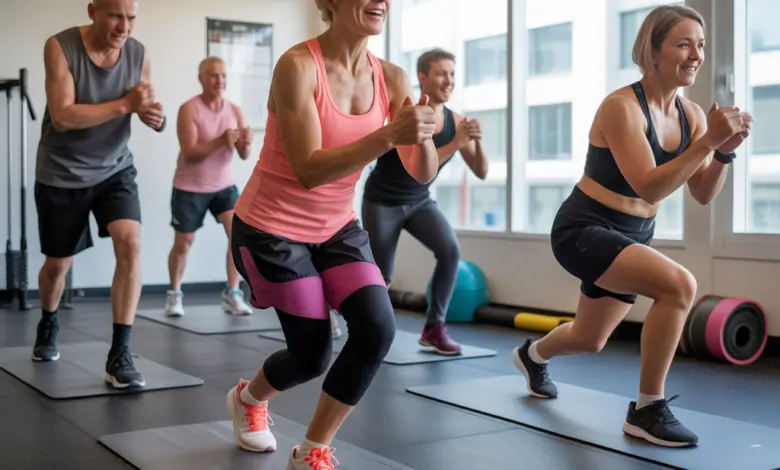
Have you ever watched someone sprint up a flight of stairs and thought, “I wish I could move like that again — but safely”? If you’re an older adult curious about high-intensity interval training but worried about injury, heart strain, or simply what “high intensity” should feel like at your age, you’re not alone. With the right modifications and precautions, a HIIT workout can be both effective and safe for older adults.
Why HIIT for older adults? The benefits that matter
High-intensity interval training (HIIT) isn’t only for young athletes. Short bursts of effort followed by recovery periods can improve cardiovascular health, metabolic fitness, muscle strength, balance, and even brain function — all important for aging well. For many older adults, a few focused minutes of interval work can deliver big results, especially when combined with strength and mobility exercises.
HIIT workout for older adults safety tips
Before jumping into interval training, consider these essential safety tips tailored to older bodies. They reduce risk and boost confidence while helping you reap the rewards of HIIT.
1. Get medical clearance and individualize intensity
- Talk to your doctor or a qualified health professional if you have chronic conditions (heart disease, diabetes, arthritis) or recent surgeries.
- Use perceived exertion (RPE) instead of chasing heart-rate zones — aim for 6–8 out of 10 during work intervals if you’re new to HIIT.
2. Warm up thoroughly and cool down slowly
- Spend 5–10 minutes on gentle mobility and low-intensity activity (walking, marching, shoulder rolls).
- Finish with 5–10 minutes of slow walking and stretching to reduce dizziness and help recovery.
3. Prioritize low-impact and joint-friendly movements
Replace high-impact moves (jumping jacks, burpees) with low-impact alternatives: step jacks, marching in place, or quick toe taps. For those with knee or hip concerns, pool-based HIIT or a stationary bike are excellent options.
4. Use progressive overload, not all-out effort
Start with shorter work intervals (10–20 seconds) and longer rest (40–50 seconds). Over weeks, increase work time or intensity gradually. This protects joints and the cardiovascular system while building stamina.
Sample beginner HIIT session for seniors (no equipment)
Duration: ~20–25 minutes
- Warm-up: 8 minutes — brisk walk, arm circles, knee lifts
- Main set: 8 rounds — 20 seconds work / 40 seconds easy recovery
- Round exercise choices: marching fast, seated punches (if balance is a concern), side steps, slow mountain climbers (hands on a wall or bench)
- Cool-down: 6–8 minutes — slow walk, calf and hip stretches, deep breathing
Modifications and workout variations
Pool HIIT
Water reduces impact and supports the body. Try 30 seconds of fast water walking or flutter kicks, followed by 60 seconds of easy walking. Great for joint pain and arthritis.
Bike or recumbent bike intervals
Stationary cycling allows controlled intensity. Use 30–45 second harder pedaling with 60–90 seconds easy pedaling to start.
Chair-based HIIT
For balance or mobility limitations: seated marches, seated punches, or sit-to-stand repetitions in intervals of 20–30 seconds with longer recovery.
Safety checklist: Before, during, and after your HIIT session
- Before: Hydrate, wear supportive shoes, choose a flat, clutter-free surface, take medications as directed.
- During: Monitor breathing and effort (should be challenging but manageable), stop if you feel chest pain, dizziness, or faintness.
- After: Rehydrate, do light stretching, track how you feel — soreness is normal but sharp pain is a red flag.
Lifestyle tips to maximize results and reduce risk
HIIT pairs best with other healthy habits:
- Strength training 2x per week to preserve muscle mass and bone density.
- Balance and flexibility work (yoga, Tai Chi) to lower fall risk.
- Quality sleep and a nutrient-dense diet rich in protein, vegetables, healthy fats, and hydration to support recovery. See our nutrition guides for meal ideas that fuel active aging.
Real-world examples: How real older adults make HIIT work
Mary, 68, swapped her morning walk for a 15-minute pool HIIT session twice weekly after getting clearance from her physician. She reports improved energy and less knee pain. Tom, 72, uses a recumbent bike with 30-second bursts while watching a TV show; he increased intensity slowly and now enjoys better stamina on neighborhood walks. These small, consistent changes make HIIT sustainable and safe.
When to pause and seek help
If you experience chest pain, severe shortness of breath, fainting, or sudden joint swelling, stop exercising and seek medical help. If recurring dizziness, palpitations, or prolonged muscle weakness follow workouts, consult your healthcare provider to adjust your plan.
Frequently Asked Questions
Q: Is HIIT safe for seniors with high blood pressure?
A: Often yes, but you should get medical clearance first. Many older adults with controlled hypertension benefit from interval training, using moderate intensity and close monitoring. Avoid sudden, maximal efforts until cleared by a provider.
Q: How often should older adults do HIIT?
A: Start with 1–2 short sessions per week and combine with strength training and light cardio on other days. As you adapt, 2–3 sessions per week can be effective without overtraining.
Q: What if I can’t stand for long periods — can I still do HIIT?
A: Absolutely. Chair-based and pool HIIT are excellent low-impact alternatives. Modify intervals to your current ability and prioritize safe progression.
Conclusion: Start smart — and stick with it
HIIT workout for older adults safety tips come down to three things: get clearance, scale intensity, and prioritize recovery. When done thoughtfully, interval training can boost fitness, independence, and confidence. Ready to try a beginner interval session? Check out our workout routines for age-friendly plans, pair them with our nutrition guides, and explore wellness tips to build a balanced, sustainable program.
Take one small step today — warm up for five minutes and try one 20-second interval at an effort that challenges you but feels safe. Track how you feel, and adjust from there. Your stronger, safer self is waiting.