Ever stand in front of the fridge at 7 PM wondering how to eat something satisfying that won’t blow your calorie goals? If you want meals that keep you full, support muscle, and help with weight management, high protein low calorie meals are the answer — practical, delicious, and easy to fit into a busy lifestyle.
Why prioritize high-protein, low-calorie eating?
Protein is the building block of muscle and a powerful ally for appetite control. Compared with carbs and fat, protein has a higher thermic effect (you burn more calories to digest it) and helps preserve lean mass during fat loss. Choosing lean protein sources and volume-rich vegetables lets you eat satisfying portions without piling on calories. Whether your goal is fat loss, improved body composition, or simply more energy, a menu focused on low-calorie, high-protein meals sets you up for success.
Top high protein low calorie meals to try today
Below are real-world meal ideas with approximate calories and protein to make planning simple. These are adaptable — swap proteins, seasonings, or veggies to match tastes and dietary needs.
1. Grilled chicken salad with mixed greens
- What: 4 oz grilled chicken breast, large bed of mixed greens, cucumbers, cherry tomatoes, 1 tbsp light vinaigrette
- Approx: 300 kcal, 35–40 g protein
- Why it works: High protein + fiber from salad keeps you full with minimal calories.
2. Egg-white veggie omelette
- What: 4–5 egg whites, handful of spinach, mushrooms, bell peppers, 1 oz low-fat cheese
- Approx: 220 kcal, 30 g protein
- Why it works: Fast, affordable breakfast with a strong protein punch.
3. Greek yogurt parfait with berries and seeds
- What: 1 cup nonfat Greek yogurt, ½ cup mixed berries, 1 tbsp chia or flax
- Approx: 180–220 kcal, 18–22 g protein
- Why it works: Portable, nutrient-dense snack or light breakfast that supports muscle repair.
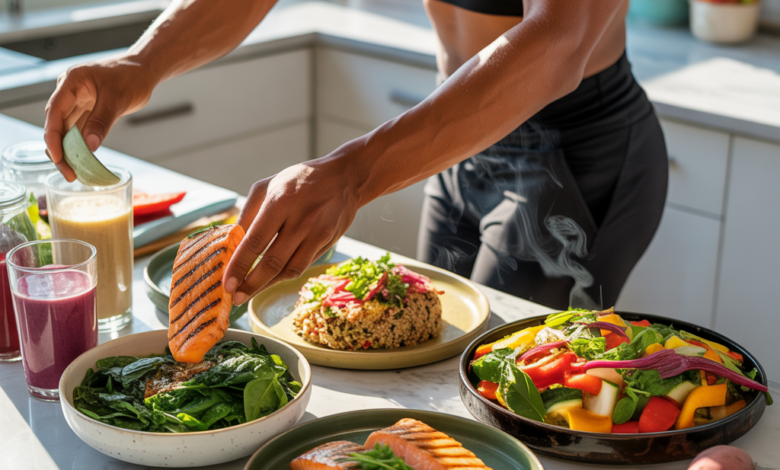
4. Salmon and steamed broccoli
- What: 4 oz baked salmon, 2 cups broccoli, lemon, herbs
- Approx: 350 kcal, 30 g protein
- Why it works: Includes healthy omega-3s and fiber-packed veggies for satiety.
5. Tofu stir-fry with cauliflower rice
- What: 5 oz firm tofu, mixed stir-fry vegetables, 1 cup cauliflower rice
- Approx: 330 kcal, 25 g protein
- Why it works: Plant-based option that’s flavorful and low in calories.
Meal prep tips: Make low calorie, high protein eating effortless
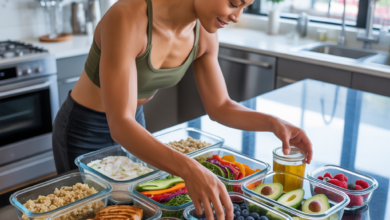
- Batch-cook lean proteins (chicken, turkey, tofu, fish) and portion into containers.
- Prep vegetables by roasting or chopping for quick salads and stir-fries.
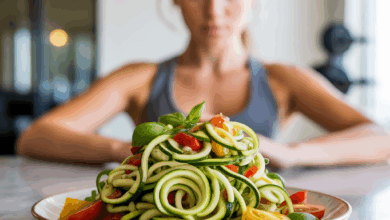
- Use high-volume, low-calorie fillers: leafy greens, zucchini, mushrooms, cauliflower, cucumber.
- Measure dressings and sauces — calories add up quickly with oil and creamy toppings.
- Keep high-protein snacks handy: cottage cheese, jerky, hard-boiled eggs, or single-serve protein pots.
Pair meals with workouts for best results
Eating more protein helps repair and build muscle, but pairing nutrition with the right training multiplies benefits. Here are practical workout variations to match your high-protein meals:
Strength-focused sessions (3× week)
- Compound lifts: squats, deadlifts, bench press — 3–5 sets of 5–8 reps.
- Why: Builds and preserves lean mass, which supports a higher metabolism.
- Nutrition tip: Eat a protein-rich meal or shake within 1–2 hours after training.
HIIT and metabolic conditioning (1–2× week)
- Short bursts: 20–30 minutes of intervals (sprints, kettlebell circuits, bodyweight circuits).
- Why: Burns calories and stimulates appetite control without long cardio sessions.
- Nutrition tip: A high-protein snack before or after HIIT helps recovery and muscle sparing.
Active recovery and mobility
- Yoga, walking, or light cycling — promote recovery and stress management.
- Why: Better sleep and lower stress improve hormonal balance and appetite regulation.
Healthy lifestyle habits that amplify results
Food and exercise are core, but small lifestyle habits make a big difference:
- Sleep: Aim for 7–9 hours — poor sleep increases hunger hormones and cravings.
- Hydration: Drink water before meals to help control appetite and aid digestion.
- Stress management: Chronic stress can raise cortisol and drive overeating; try breathing exercises or short walks.
- Consistency: Repeated small choices beat occasional extremes — focus on 80% adherence.
How to build your own low-calorie high-protein plate
- Start with 3–4 oz of lean protein (chicken, fish, turkey, tempeh, tofu, low-fat dairy).
- Add a large serving of non-starchy vegetables for volume and fiber.
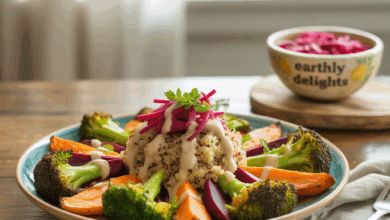
- Include a small portion of complex carbs when needed (½ cup quinoa, sweet potato, or beans).
- Finish with a controlled healthy fat (1 tsp olive oil, avocado slice, or a small handful of nuts).
Frequently Asked Questions
1. Are high protein low calorie meals enough to build muscle?
Yes — when combined with progressive resistance training and adequate overall calories. Focus on total daily protein (about 0.7–1.2 g per pound of bodyweight for many active people), not just single meals.
2. Can I eat high-protein low-calorie meals on a vegetarian or vegan plan?
Absolutely. Choose plant proteins like tofu, tempeh, legumes, seitan, edamame, and use protein-rich grains or powders. Pair proteins with iron- and B12-rich foods or supplements if needed.
3. How do I avoid getting bored with low-calorie meals?
Rotate flavors and cooking methods — try different marinades, spices, and cuisines. Use one-pot meals, sheet pan dinners, and batch sauces to keep prep varied and interesting.
Real-life example: A day of high protein low calorie meals
Breakfast: Egg-white omelette with spinach (220 kcal, 30 g protein). Lunch: Grilled chicken salad with light dressing (300 kcal, 35 g protein). Snack: Nonfat Greek yogurt with berries (200 kcal, 20 g protein). Dinner: Baked salmon with steamed broccoli (350 kcal, 30 g protein). Total ~1,070 kcal and ~115 g protein — adjust portion sizes to meet your calorie needs.
Conclusion — Start simple, stay consistent
High protein low calorie meals are a practical way to feel satisfied, support lean muscle, and reach body composition goals without extreme dieting. Start by swapping one meal per day, prepping a few staples, and pairing your meals with strength training or HIIT. Ready to take the next step? Check out our workout routines for strength and HIIT ideas and browse our nutrition guides for meal plans and shopping lists. For ongoing wellness habits, explore more wellness tips to keep you consistent and motivated.
Make a small change today — pick one high-protein, low-calorie meal to try this week and notice how much more energy and control you feel.
For more high protein dinner ideas, check out High Protein Dinners.
For more high protein dinner ideas, check out High Protein Dinners.
For more high protein dinner ideas, check out High Protein Dinners.
For more high protein dinner ideas, check out High Protein Dinners.