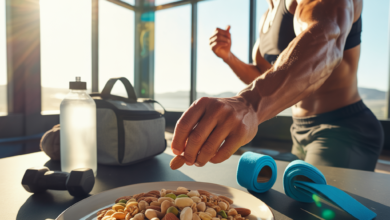
Ever finish a workout feeling energized but then hit an afternoon slump and bloating after lunch? What you eat — not just how much you move — can make the difference. High fiber foods are an easy, powerful tool to steady energy, improve digestion, and support weight management. In this guide you’ll get practical tips, real meal ideas, and fitness-friendly strategies to add more fiber into your life without the overwhelm.
Why Fiber Matters for Everyday Energy and Performance
Dietary fiber is the indigestible part of plant foods that helps regulate digestion, stabilize blood sugar, and feed the good bacteria in your gut. There are two main types — soluble fiber that forms a gel and slows digestion, and insoluble fiber that adds bulk and helps move food through the gut. Together, they support fuller feelings after meals, lower cholesterol, and steady energy for workouts and daily life.
Benefits that hit the gym and the grocery list
- Improved satiety and appetite control — helpful for weight management and avoiding late-day snacking.
- Steadier blood sugar — better energy during workouts and recovery.
- Enhanced gut health — reduced bloating and more regular digestion.
- Heart and metabolic benefits — can reduce cholesterol and support long-term wellness.
Top high fiber foods to add to your plate
Swap processed carbs for whole, fiber-rich options. Below are practical, workout-friendly choices and approximate fiber per serving to help you plan:
- Lentils — 15.6 g per cooked cup. Great in stews, salads, and post-workout bowls.
- Black beans & chickpeas — 12–15 g per cooked cup. Add to wraps, grain bowls, or blend into dips.
- Oats — 4 g per 1/2 cup dry. Start your day with overnight oats or a warm bowl pre-workout.
- Chia seeds — 10 g per ounce. Mix into smoothies, yogurt, or make chia pudding for a portable snack.
- Raspberries & pears — 6–8 g per cup/medium fruit. Fruit with skin makes an easy fiber boost.
- Broccoli & Brussels sprouts — 3–4 g per cup cooked. Roast or steam as a side for protein-packed meals.
- Sweet potatoes — 4 g medium (with skin). Baked or mashed for carbs that last.
- Almonds — 3.5 g per ounce. A quick snack before a light workout.
- Popcorn (air-popped) — 3.5 g per 3 cups. A whole-grain snack alternative to chips.
Real-world meal examples (fiber-friendly)
- Breakfast: Oats with chia seeds, raspberries, and a spoonful of almond butter — ~10–12 g fiber.
- Lunch: Lentil salad with mixed greens, chopped pear, and a lemon-tahini dressing — ~15 g fiber.
- Snack: Apple with skin + a handful of almonds — ~6–7 g fiber.
- Dinner: Grilled salmon, roasted Brussels sprouts and quinoa — ~8–10 g fiber.
How fiber supports fitness, recovery, and weight loss
Fiber and fitness are a strong team. A diet rich in soluble and insoluble fiber helps stabilize blood sugar, reducing energy crashes during training. Fiber also promotes fullness, which makes it easier to maintain a calorie deficit for weight loss without feeling deprived.
Workout variations and timing tips
- Morning HIIT: Eat a lower-fiber, carb-focused snack 60–90 minutes before if you’re sensitive (e.g., banana + a spoonful of peanut butter). Then include fiber in your post-workout meal (oats, berries, and protein).
- Strength training: Pair fiber-rich carbs (sweet potato, brown rice) with lean protein to aid recovery and muscle repair.
- Long cardio sessions: Steer clear of very high-fiber meals right before long runs or rides to minimize GI upset; opt for easily digestible carbs instead.
Practical fitness tips
- Increase fiber gradually over 2–3 weeks to reduce bloating and gas.
- Hydrate: fiber needs water to move through the digestive tract comfortably.
- Combine fiber with protein at meals to keep hunger at bay and promote muscle recovery.
- Track (briefly) what you eat for a week to see where you can swap in whole grains, legumes, fruits, and vegetables.
Tips for increasing fiber safely
Aiming for the recommended 25–38 grams per day is smart, but sudden jumps can cause discomfort. Here’s a simple plan:
- Add one extra fruit or vegetable at each meal for the first week.
- Replace refined grains with whole grains (brown rice, quinoa, whole-wheat bread).
- Include a serving of legumes 3–4 times per week — soups, chili, or salads are easy ways.
- Consider fiber-rich snacks like raw veggies with hummus or air-popped popcorn instead of chips.
If you need structured meal plans or workouts that pair well with a higher-fiber diet, check out our nutrition guides and sample workout routines to create a balanced routine.
Frequently Asked Questions
1. How much fiber should I eat daily?
Most adults should aim for around 25 grams per day for women and 30–38 grams per day for men, depending on age and activity level. Start lower and increase gradually to avoid digestive discomfort.
2. Which high fiber foods are best for weight loss?
Fiber-rich, low-calorie foods like lentils, beans, vegetables (broccoli, leafy greens), fruits (berries, pears), and whole grains (oats, quinoa) are excellent. They promote fullness and help control calorie intake without sacrificing nutrients.
3. Can fiber cause bloating or gas?
Yes, especially if you increase intake too quickly. To minimize symptoms, increase fiber slowly, drink plenty of water, and opt for a mix of soluble and insoluble fiber. If problems persist, consult a healthcare professional.
Conclusion — Start adding high fiber foods today
Incorporating high fiber foods into your meals is one of the simplest ways to boost energy, improve digestion, and support fitness goals. Small swaps — like mixing chia into your yogurt, choosing lentil bowls for lunch, or snacking on raw veggies — add up quickly. Ready to take action? Try a 7-day fiber challenge: add one fiber-rich swap per day, keep hydrated, and pair meals with the right workouts for your goals. For meal plans and exercise pairings, browse our nutrition guides and wellness tips to keep going.
Want a printable grocery list or a 7-day sample menu tailored to your workouts? Leave a comment or subscribe for the next post — let’s make fiber a daily habit together.