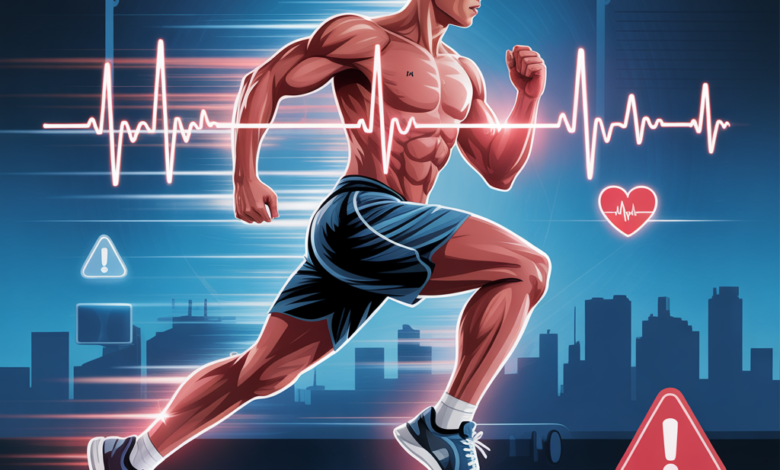
Have you ever felt winded tying your shoes, or noticed your ankles puffing up after a long day and thought, “Is this just aging—or is my heart trying to tell me scomething?” If that question has crossed your mind, you’re not alone. Knowing the common signs your heart isn’t functioning properly can make the difference between catching a problem early and facing more serious complications later.
Why spotting heart trouble early matters
Heart disease and heart failure develop over time. Early awareness of warning signs allows you to seek medical evaluation, adjust your lifestyle, and start a targeted fitness plan that supports heart health. This article walks you through the most common symptoms, practical fitness tips, workout variations, and everyday habits that help protect your cardiovascular system.
Key heart not working well warning signs to watch
These symptoms are commonly associated with a heart that isn’t working efficiently, including early heart failure or other cardiac conditions. If you notice one or more of these persistently, consult your healthcare provider.
Shortness of breath (dyspnea)
Feeling out of breath during routine tasks—walking up a flight of stairs, carrying groceries, or climbing into bed—can be an early sign your heart is struggling to pump blood effectively. For example, a 52-year-old friend of mine noticed she had to rest halfway up her normal walking route; after a checkup she learned her heart function had decreased and lifestyle changes helped reverse the trend.
Persistent fatigue and reduced stamina
Unusual tiredness that affects daily life—especially when combined with other symptoms—can indicate your heart isn’t delivering enough oxygen-rich blood. This is different from normal tiredness after a long day; it’s often persistent and limiting.
Swelling in legs, ankles, or abdomen (edema)
Fluid retention that causes visible swelling is a classic sign your circulatory system is under strain. Noticing shoes feel tighter or rings leave indentations on your fingers are practical clues to watch for.
Irregular heartbeat or palpitations
Skippiness, fluttering, or racing sensations in your chest—especially when accompanied by dizziness—can signal arrhythmias or other heart function issues.
Chest discomfort or pressure
Chest pain or tightness should never be ignored. While not all chest discomfort is cardiac, any new, severe, or persistent chest pain deserves immediate attention.
Other signals: dizziness, coughing, and reduced appetite
Lightheadedness, a chronic cough (especially when lying down), or feeling full quickly can also be associated with heart problems. These symptoms are often subtle but meaningful when grouped together.
Practical fitness tips to support a failing or struggling heart
Exercise is therapeutic for cardiovascular health, but if you suspect your heart is not working well, approach fitness carefully and under medical guidance.
Start with low-impact aerobic activity
- Walking: Begin with 10–15 minute sessions and gradually increase duration. Interval walking (2–3 minutes brisk, 2 minutes easy) improves endurance safely.
- Swimming or water aerobics: Water supports the body, lowers joint stress, and provides gentle cardiovascular conditioning.
- Stationary cycling: Low-impact and easy to monitor heart rate.
Include gentle strength training
Light resistance work 2–3 times per week helps preserve muscle mass and metabolic health. Use resistance bands, bodyweight exercises (wall push-ups, seated squats), or light dumbbells. Keep sets moderate and avoid straining or breath-holding.
Modify higher-intensity workouts
If you enjoy HIIT or intense classes, scale back intensity: shorter intervals, longer rests, and lower impact variations (marching instead of jumping). Always warm up and cool down to prevent sudden cardiac stress.
Healthy lifestyle changes that make a measurable difference
Fitness alone isn’t enough—these lifestyle strategies support heart recovery and help prevent progression.
- Follow a heart-healthy eating pattern: prioritize vegetables, fruits, whole grains, lean protein, and healthy fats. Reducing processed foods and sodium improves blood pressure and fluid balance (see our nutrition guides for meal ideas).
- Manage blood pressure and cholesterol: medication adherence, healthy diet, and regular exercise lower cardiac risk.
- Maintain a healthy weight: even modest weight loss (5–10% of body weight) reduces workload on the heart.
- Quit smoking and limit alcohol: both have immediate and long-term effects on heart function.
- Control stress and sleep: aim for 7–8 hours nightly and use relaxation techniques like diaphragmatic breathing or mindfulness.
Real-world examples: small changes, big wins
Case 1: A 60-year-old man who felt unusually winded swapped his evening TV snack for a 30-minute brisk walk five nights a week and reduced sodium intake. Within months his symptoms eased and his doctor reduced his medication dosage.
Case 2: A busy mom with ankle swelling began gentle resistance training twice weekly and cut back on processed food. She reported more energy and fewer dizzy spells at her follow-up.
When to seek immediate medical attention
If you experience severe chest pain, sudden shortness of breath, fainting, or sustained rapid heartbeat—call emergency services immediately. For non-urgent but concerning symptoms, schedule a prompt appointment with your healthcare provider for evaluation and testing (ECG, echocardiogram, blood tests).
Frequently Asked Questions
1. What are the earliest warning signs my heart isn’t working well?
Early signs often include unexplained shortness of breath with activity, persistent fatigue, and slight swelling in the legs or ankles. When these appear together or worsen, seek medical evaluation.
2. Can exercise help if my heart function is reduced?
Yes—appropriately prescribed and supervised exercise programs improve symptoms, capacity, and quality of life for many people with reduced heart function. Talk to your doctor before starting, and consider cardiac rehab or tailored routines from our workout routines page.
3. How do I tell the difference between normal aging and a heart problem?
Normal aging may slow recovery after exertion, but persistent, progressive symptoms—especially combined signs like breathlessness, swelling, and irregular heartbeat—are more likely to indicate cardiac issues. A medical assessment clarifies the cause.
Conclusion: Act early—protect your heart
Recognizing heart not working well warning signs early gives you power: to get checked, change course, and adopt fitness and nutrition habits that help your heart function better. Don’t wait for a crisis—if symptoms are new, worsening, or limiting your life, make an appointment with your healthcare provider today. Start small: try a daily 10-minute walk, review your sodium intake with our nutrition guides, and explore gentle strength moves in our workout routines. For ongoing wellness strategies, check our wellness tips page.
Ready to take the next step? Listen to your body, track symptoms, and reach out to your medical team. Your heart will thank you.