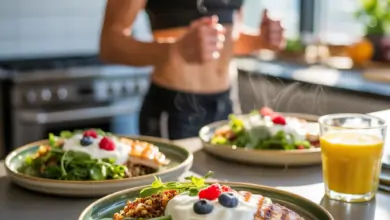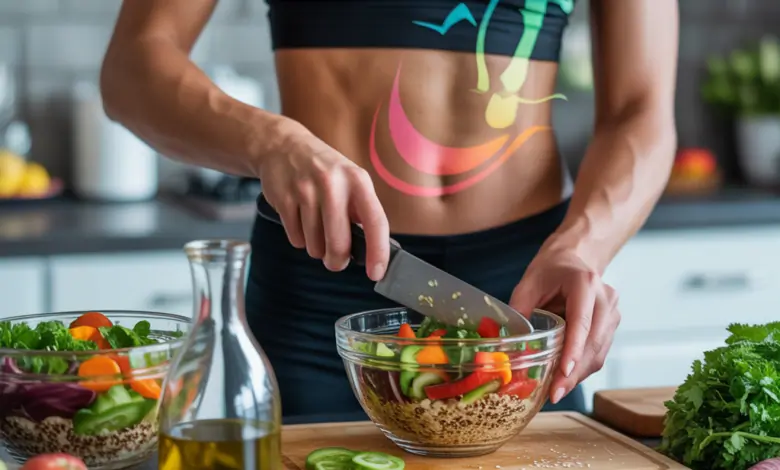
Have you ever stood in front of the fridge wondering how to cook something tasty that also protects your heart—especially if you or someone you love has a family history of heart disease? You’re not alone. Simple changes in what you eat can lower cholesterol, reduce inflammation, and boost energy. These heart healthy recipes make it easy to eat well without feeling deprived.
Why choosing heart-friendly meals matters
Eating with your cardiovascular health in mind isn’t about strict rules—it’s about choices that add up. Diets rich in whole grains, lean proteins, vegetables, healthy fats, and low in sodium and processed sugars can lower blood pressure, reduce LDL (“bad”) cholesterol, and support healthy weight. Think of food as daily medicine: a bowl of oatmeal or a Mediterranean-style dinner can be as powerful as a supplement when done consistently.
Heart Healthy Recipes to Try This Week
Below are three practical, flavorful, and easy-to-make recipes. Each one emphasizes low-sodium ingredients, fiber, and heart-healthy fats—perfect for weeknight dinners, make-ahead lunches, or nourishing breakfasts.
1. Salmon Quinoa Bowl (Omega-3 rich dinner)
Why it works: Salmon provides heart-protective omega-3s, and quinoa adds fiber and plant protein. Swap butter for olive oil and use lots of greens.
- Ingredients: 4 oz wild salmon, 1/2 cup cooked quinoa, 1 cup mixed greens, 1/4 avocado, cherry tomatoes, lemon, 1 tbsp olive oil, black pepper.
- Instructions: Season salmon with pepper and lemon, bake at 400°F for 12–15 minutes. Toss quinoa, greens, tomatoes, and avocado with olive oil and lemon. Top with flaked salmon.
- Tip: Grill or pan-sear salmon for faster cook time. Use fresh herbs (dill or parsley) instead of salt to boost flavor.
2. Hearty Lentil & Veggie Stew (Cholesterol-lowering, plant-based)
Why it works: Lentils are high in soluble fiber, which helps lower LDL cholesterol. Vegetables add antioxidants and potassium for blood pressure control.
- Ingredients: 1 cup brown lentils, 1 carrot, 1 celery stalk, 1 onion, 2 garlic cloves, 1 can diced tomatoes (low-sodium), 4 cups low-sodium vegetable broth, 1 tsp cumin, 1 tbsp olive oil.
- Instructions: Sauté onion, carrot, and celery in olive oil until soft. Add garlic, cumin, lentils, tomatoes, and broth. Simmer 25–30 minutes until lentils are tender.
- Tip: Make a large batch on Sunday for quick weekday lunches. Freeze portions for easy meal prep.
3. Berry Oat Breakfast Bowl (Fiber-packed start)
Why it works: Soluble fiber from oats and antioxidants from berries support healthy blood vessels and cholesterol balance.
- Ingredients: 1/2 cup rolled oats, 1 cup water or low-fat milk, 1/2 cup mixed berries, 1 tbsp ground flaxseed, cinnamon, a drizzle of honey or mashed banana.
- Instructions: Cook oats as directed. Top with berries, flaxseed, and cinnamon. Sweeten lightly if needed.
- Tip: Prepare overnight oats with chia seeds for a grab-and-go breakfast that stays heart-healthy.
Simple cooking swaps and tips for cardiovascular-friendly meals
- Reduce salt: Use herbs, citrus, garlic, and spices instead of extra salt. Buy low-sodium broths and canned goods.
- Choose healthy fats: Replace butter and lard with olive oil, avocado, nuts, and seeds.
- Increase fiber: Add beans, whole grains, fruits, and vegetables to every meal.
- Limit processed foods: Packaged snacks and ready meals are often high in sodium, added sugars, and unhealthy fats.
- Control portions: Use smaller plates and be mindful of portion sizes for calorie balance and weight management.
Pair meals with movement: fitness tips that protect your heart
Nutrition and exercise go hand in hand. Combining heart-healthy recipes with regular physical activity multiplies the benefits—better blood pressure, improved cholesterol profile, and stronger stamina.
Workout variations to fit any schedule
- Brisk walking: 30 minutes a day, most days of the week. Great for beginners and easy to fit into daily life.
- Cardio intervals (HIIT): 20–25 minutes of alternating 30–60 seconds hard effort with 1–2 minutes easy. Efficient for improving cardiovascular fitness.
- Strength training: Two sessions per week focusing on major muscle groups. Builds lean mass, improves metabolism, and supports heart health.
- Low-impact options: Cycling, swimming, or rowing if joint-friendly workouts are needed.
Example routine: After a Salmon Quinoa dinner, take a 20–30 minute brisk walk. On two non-consecutive days, add 20 minutes of strength moves (squats, push-ups, and rows) to support circulation and metabolic health. For guided ideas, check our workout routines.
Lifestyle habits that complement heart healthy recipes
Food and exercise are powerful, but other habits matter too:
- Sleep: Aim for 7–9 hours per night—insufficient sleep raises blood pressure and stress hormones.
- Stress management: Try deep-breathing, meditation, or short yoga sessions to lower chronic stress.
- Limit alcohol and avoid smoking: Both increase cardiovascular risk; moderation or cessation helps immediately.
- Routine health checks: Monitor blood pressure, cholesterol, and weight with your healthcare provider.
For more meal planning and portioning guidance, explore our nutrition guides and our collection of practical wellness tips.
Frequently Asked Questions
1. What are the best heart healthy ingredients to keep on hand?
Stock up on oats, brown rice, quinoa, canned low-sodium beans, frozen berries and vegetables, extra-virgin olive oil, nuts, seeds, avocados, fatty fish (salmon, sardines), and plenty of fresh herbs and citrus. These staples make it easy to assemble nutritious meals quickly.
2. Can heart healthy recipes help lower cholesterol quickly?
Dietary changes like increasing soluble fiber and reducing saturated fats can lower LDL cholesterol within weeks, but individual results vary. Combining diet with exercise and medical advice produces the best outcomes.
3. How do I make heart-healthy meals my whole family’s routine?
Start by adapting favorite dishes rather than eliminating them—swap in whole grains, add veggies, and use herbs for flavor. Involve family members in meal prep and plan one new recipe per week. Small, consistent changes are more sustainable than drastic diets.
Conclusion
Heart healthy recipes don’t have to be boring or complicated. With a few simple swaps, practical meal prep, and pairing food with consistent movement, you can protect your cardiovascular health and enjoy the flavors you love. Start this week with one recipe above—maybe the Salmon Quinoa Bowl for dinner or the Berry Oat Breakfast tomorrow—and build momentum. Want more meal plans or workout pairings? Browse our nutrition guides and workout routines to create a plan that fits your life. Try one heart healthy recipe today and notice the difference in how you feel.
Call to action: Ready to get started? Pick a recipe from this post, set aside 30 minutes for meal prep, and commit to a 20-minute walk after dinner tonight—small steps lead to big heart health gains.