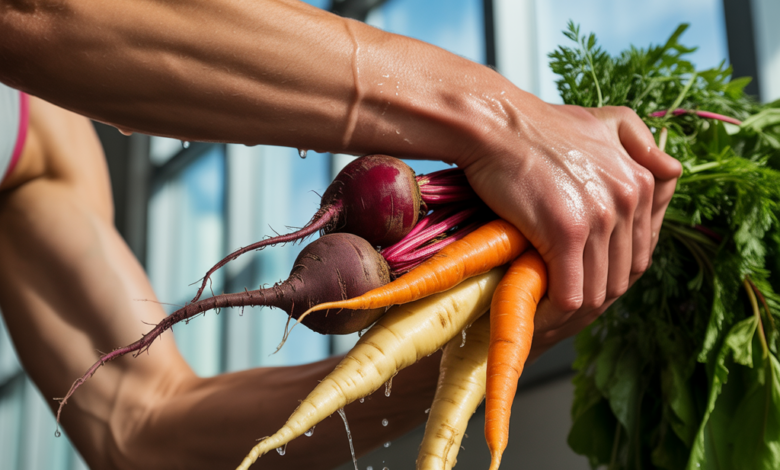
Ever stand in the grocery aisle wondering whether to grab another bag of chips or something that actually fuels your body? Imagine swapping a bag of processed snacks for a tray of roasted roots that keeps you energized through a tough workout and supports recovery afterward. If you’re looking for wholesome, affordable foods that pair perfectly with smart training, here are healthy root vegetables to try this week—and how to use them for real results.
Why root vegetables belong on your plate
Root vegetables—also called tubers and root crops—are among the most versatile, nutrient-dense foods you can add to your diet. They provide complex carbohydrates for steady energy, fiber for digestion, vitamins like A and C, potassium for electrolyte balance, and phytonutrients that support heart and immune health. Whether you’re aiming for weight loss, muscle gain, or improved endurance, these vegetables offer slow-release energy and satiety, making them ideal pre- and post-workout choices.
Top 8 healthy root vegetables to try
Below are tasty, practical picks with quick notes on benefits and cooking ideas. These are the best root vegetables for weight loss, recovery, and everyday health.
1. Sweet potatoes
- Why: High in beta-carotene (vitamin A), fiber, and resistant starch when cooled—great for gut health.
- How to eat: Bake whole, mash with olive oil, or cube and roast with spices. Ideal as a post-strength meal with protein.
2. Beets
- Why: Rich in nitrates which can improve blood flow and endurance—popular in sports nutrition.
- How to eat: Roast or steam; add to salads or blend into smoothies for a natural performance boost.
3. Carrots
- Why: Low-calorie, high in vitamin A and antioxidants; crunchy and satisfying as a snack.
- How to eat: Raw with hummus, roasted with honey and thyme, or shredded into slaws and stews.
4. Parsnips
- Why: Earthy flavor, good fiber content, and a slightly sweet profile that works well in warming dishes.
- How to eat: Roast, puree into soups, or use as a mash alternative to potatoes.
5. Turnips
- Why: Low-glycemic and nutrient-rich; mild flavor makes them versatile in both savory and roasted dishes.
- How to eat: Roast with root medleys, pan-fry slices, or cube into stews.
6. Rutabaga
- Why: A hybrid of cabbage and turnip traits—great for fiber and micronutrients.
- How to eat: Mash with butter and herbs, roast wedges, or add to casseroles.
7. Yams
- Why: Often confused with sweet potatoes, they offer complex carbs and support glycogen replenishment.
- How to eat: Bake, slice into fries, or incorporate into hearty breakfast bowls.
8. Jerusalem artichokes (sunchokes)
- Why: High in inulin, a prebiotic fiber that feeds healthy gut bacteria—helpful for digestion and immune health.
- How to eat: Roast until golden, or thinly slice into salads for a nutty texture.
How to prepare and cook root vegetables (easy, healthy methods)
Simple cooking methods keep root vegetables nutritious and delicious. Try these techniques to make them a regular part of meals:
- Roasting: Toss with a small amount of olive oil, salt, and spices; roast at 400°F until caramelized. Great for meal prep.
- Mashing: Swap mashed potatoes for mashed parsnips or rutabaga—blend with Greek yogurt or olive oil for creaminess.
- Air-frying: Crispy fries with far less oil—use for sweet potato or carrot sticks.
- Soups and stews: Add cubed roots to one-pot meals for texture and warmth.
- Cold salads: Roast then chill beets or sweet potatoes for salads that keep well through the week.
Incorporating root vegetables into your fitness nutrition plan
Root vegetables are excellent fuels depending on timing and portion size. Here are practical fitness tips and workout variations that pair well with roots:
Pre-workout (1–2 hours before)
- Small baked sweet potato or banana with a handful of oats for steady carbs before a run or HIIT session.
- Carrot sticks with a small nut-butter snack for light strength circuits or yoga classes.
Post-workout recovery
- Beet salad with grilled chicken or a salmon bowl with roasted rutabaga replenishes glycogen and supplies protein for muscle repair.
- A serving of mashed parsnips with lean protein supports strength-training recovery.
Workout variations to try
- Endurance day: Pair a medium boiled yam with a long run to sustain energy.
- Strength day: Roast sweet potato cubes alongside a protein-rich meal for glycogen restoration after heavy lifts.
- Active recovery: Light beet or carrot-based smoothies with anti-inflammatory spices like ginger or turmeric.
Real-world example: On a 3-day split, use sweet potatoes after leg day, beets before a cycling interval session, and light carrot snacks on mobility/rest days. Small, consistent food swaps yield measurable improvements in energy and recovery.
Practical lifestyle tips and habit-building
- Batch-cook a tray of mixed roasted root vegetables each Sunday—use them in bowls, salads, and wraps all week.
- Mix roots into breakfast: grated sweet potato hash with eggs or roasted beet and goat-cheese toast for variety.
- Keep pre-cut carrots and parsnips in the fridge for easy snacking to avoid processed options.
- Experiment with herbs and spices (rosemary, cumin, paprika) to keep flavors interesting without extra calories.
For more structured meal ideas that align with training goals, check out our nutrition guides and pair them with targeted workout routines for best results.
Frequently Asked Questions
1. Are root vegetables good for weight loss?
Yes—many root vegetables are high in fiber and low to moderate in calories, which helps with satiety and portion control. Choosing lower-glycemic options and managing portion sizes supports weight-management goals.
2. How should I store root vegetables to keep them fresh?
Store most roots (carrots, beets, turnips) in the refrigerator crisper in a perforated bag or wrapped in a paper towel. Potatoes and sweet potatoes store best in a cool, dark place outside the fridge to preserve texture and flavor.
3. Can root vegetables raise blood sugar?
All carbohydrates impact blood sugar, but many root vegetables provide complex carbs and fiber that slow absorption. People with diabetes should monitor portions and choose lower-glycemic roots (e.g., carrots, turnips) and combine them with protein or healthy fats.
Conclusion — Try these healthy root vegetables to try this week
Root vegetables are simple, tasty, and powerful allies in any healthy-eating or fitness plan. From sweet potatoes that fuel your runs to beets that boost endurance, adding these nutrient-dense root vegetables to your meals is an easy way to improve energy, recovery, and overall wellness. Ready to cook a tray of roasted roots this weekend? Start small—pick two varieties, roast them with spices, and build meals around them. For more ideas on pairing foods with workouts, explore our wellness tips and combine them with the right workout routines to see real changes.
Which root will you try first? Share your favorite recipe and the workout you’ll pair it with—small experiments lead to big wins.
For more ideas on how to incorporate healthy root vegetables into your meals, check out our Healthy Meal Prep guide.