Have you ever stared into your fridge at 7 p.m., exhausted from a long day, and wondered how to make a healthy meal without a culinary degree? You’re not alone. Healthy eating doesn’t have to be complicated or expensive — it’s about small, consistent choices that add up. In this post I’ll walk you through realistic strategies, meal ideas, and fitness tips to help you build lasting habits for better energy, mood, and performance.
Why healthy eating matters (and how it really looks)
Most people picture strict diets when they hear “healthy eating,” but in practice it’s simply choosing nutrient-dense foods most of the time, balancing macronutrients, and staying consistent. That means more vegetables, whole grains, lean proteins, healthy fats, and fewer highly processed snacks and sugary drinks. The goal is sustainable eating patterns that support weight control, mental clarity, and long-term health.
Key benefits of a balanced diet
- Steady energy throughout the day and fewer mid-afternoon crashes
- Improved recovery and muscle growth when paired with exercise
- Better sleep, mood regulation, and reduced inflammation
- Lower risk of chronic diseases like type 2 diabetes and heart disease
Practical strategies for healthy eating at home and on the go
You don’t need perfection — you need a plan. Here are actionable strategies that fit real life, whether you’re a busy parent, a student, or someone who works long hours.
Meal prep and batch cooking
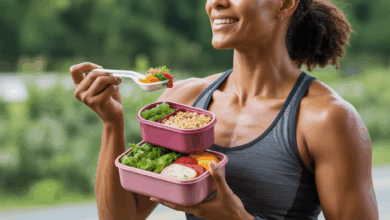
Cook once, eat smart all week. Roast a tray of seasonal vegetables, grill a few chicken breasts or bake chickpeas, and cook a big pot of brown rice or quinoa. Portion into containers for easy grab-and-go lunches and dinners. Batch cooking saves time, reduces takeout temptation, and makes it easier to control portions.
Smart grocery shopping
- Shop the perimeter: produce, dairy, lean meats, and whole grains.
- Use a list and stick to it — impulse buys are almost always processed foods.
- Choose frozen fruit and vegetables for long-lasting, nutrient-dense options.
- Buy versatile ingredients like eggs, canned beans, oats, and Greek yogurt.
Healthy meal swaps and easy recipes
Swap mayo for hummus, white rice for cauliflower rice, and sugary cereals for steel-cut oats topped with fruit and nuts. A simple bowl of mixed greens, roasted sweet potato, black beans, avocado, and a squeeze of lime makes a nutrient-dense dinner in under 15 minutes.
Fitness-friendly eating: what to eat before and after workouts
Eating well supports your training and recovery. The right pre-workout snack fuels performance; the post-workout meal helps rebuild muscle and restore energy.
Pre-workout (30–90 minutes)
- A banana with a tablespoon of nut butter
- Greek yogurt with berries
- Whole-grain toast with honey or avocado
Post-workout (within 60 minutes)
- Protein shake with milk or plant-based alternative + fruit
- Grilled chicken or tofu with quinoa and steamed greens
- Cottage cheese with pineapple and whole-grain crackers
Simple workout variations to pair with healthy eating
Combine healthy eating with exercise to speed results. Here are quick routines for different goals.
For fat loss: HIIT and steady cardio
- 20-minute HIIT: 30s sprint / 60s walk x 10 rounds
- Brisk 45-minute walk or bike ride on off days
For strength and tone: full-body resistance
- 3x per week: squats, push-ups, bent-over rows, planks — 3 sets of 8–12 reps
- Progress by adding weight or increasing reps week to week
For mobility and stress relief
- 10–20 minutes of yoga or stretching daily
- Deep breathing or short guided meditations to lower cortisol
Lifestyle habits that amplify healthy eating
Food is only part of the equation. Sleep, stress management, hydration, and social support all affect how your body uses nutrients.
- Sleep 7–9 hours to regulate appetite hormones and recovery
- Drink water consistently — aim for a reusable bottle and sip throughout the day
- Practice mindful eating: slow down, chew well, and notice fullness cues
- Plan for occasional treats — deprivation increases the chance of bingeing
Real-world examples: meal plans and timelines
Example daily plan for a busy professional:
- Breakfast: Overnight oats with chia seeds, milk, berries, and a drizzle of honey
- Snack: Apple + handful of almonds
- Lunch: Mason jar salad with mixed greens, roasted turkey, quinoa, and vinaigrette
- Snack: Carrot sticks + hummus
- Dinner: Baked salmon, roasted broccoli, and sweet potato wedges
If you’re trying to eat healthy on a budget, buy whole produce in season, shop frozen, and opt for beans and eggs as economical protein sources.
Healthy Eating: common mistakes to avoid
- Skipping meals — leads to overeating later
- Over-reliance on “low-fat” or “diet” processed products
- Ignoring portion sizes — healthy foods can still be calorie-dense
- All-or-nothing thinking — aim for consistency, not perfection
Frequently Asked Questions
1. What is the easiest way to start healthy eating?
Start with one change: add a serving of vegetables to two meals per day or swap sugary drinks for water. Small, measurable steps build momentum and are more sustainable than drastic diets.
2. Can healthy eating help me lose weight quickly?
Healthy eating supports steady, sustainable weight loss when combined with regular exercise and a moderate calorie deficit. Quick fixes often lead to rebound weight gain — focus on long-term habits instead.
3. How can I eat healthy with a busy schedule?
Use meal prep, choose simple recipes, keep healthy snacks on hand, and plan your grocery list. Slow cookers and sheet-pan meals are great time-savers. For more routine ideas, check out our workout routines and nutrition guides.
Conclusion — commit to one sustainable change today
Healthy eating is less about perfection and more about progress. Pick one habit to start — meal prep on Sundays, swap sugary drinks for water, or add a daily 20-minute walk — and build from there. Pair your nutrition with strength or cardio sessions to accelerate results, and use mindful habits like sleep and stress reduction to amplify gains. Ready to take the next step? Explore our wellness tips and nutrition guides to create a plan that fits your life.
Take action today: choose one simple swap and commit for 14 days. Notice the difference in your energy, mood, and confidence — and keep going.