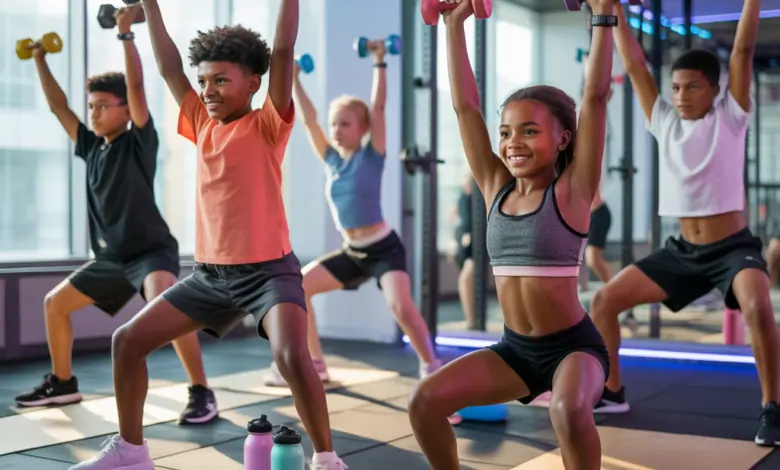
Ever walked into a busy gym and wondered where to start, which machine to trust, or how to build muscle without risking injury? If you’re a teen trying to find your path to fitness, you’re not alone. The gym can feel overwhelming—but with the right gym workout tips for teenagers, you can make consistent gains, feel confident, and enjoy the process.
Why Smart Training Matters for Teens
Adolescence is a time of rapid growth, hormonal change, and learning. Whether your goals are to get stronger, improve sports performance, lose body fat, or simply feel healthier, a thoughtful approach prevents injury and builds long-term habits. These gym workout tips for teenagers focus on safety, technique, and gradual progress so you spend less time guessing and more time improving.
Getting Started: Basics Every Teen Should Know
1. Warm Up Properly
Five to ten minutes of light cardio (jump rope, brisk walking, or a steady bike) followed by dynamic stretches (leg swings, arm circles, hip openers) increases blood flow and reduces injury risk. Treat your warm-up like part of the workout—never skip it.
2. Focus on Form Over Heavy Weights
Perfect technique beats heavy loads. Learn fundamentals—squat depth, neutral spine, braced core, full range of motion—before increasing weight. Ask a trainer or an experienced lifter to coach your form, and use mirrors or phone video to self-check.
3. Use Full-Body Progressions
As a teen, prioritize compound lifts that work multiple muscle groups: squats, deadlifts (light and technical), push-ups or bench press, rows, and overhead pressing. These exercises build strength and coordination faster than isolated movements.
Top Gym Workout Tips for Teenagers
Below are practical, actionable tips you can apply on day one.
- Train 3–4 times per week for balanced progress—combine strength days with mobility and cardio.
- Start with a full-body routine, 3 sets of 8–12 reps for most exercises, and focus on steady progression.
- Use bodyweight and machine variations if you’re new to free weights—examples include goblet squats, assisted pull-ups, and chest press machines.
- Prioritize recovery: get 8–10 hours of sleep and take at least one full rest day per week.
- Stay hydrated and eat balanced meals—protein, complex carbs, healthy fats, and vegetables.
Sample Beginner Gym Routine (3 Days a Week)
Simple, time-efficient, and designed for steady improvement.
Day A
- Warm-up: 8 minutes cardio + dynamic stretches
- Goblet Squat — 3×10
- Push-ups (or incline push-ups) — 3×8–12
- Dumbbell Row — 3×10 per side
- Plank — 3×30–60 seconds
Day B
- Warm-up
- Deadlift variation (Romanian or trap-bar, light technique focus) — 3×8
- Overhead Dumbbell Press — 3×8–10
- Lat Pulldown or Assisted Pull-up — 3×8–10
- Farmer Carry or 30–60s walk with dumbbells — 3 rounds
Day C
- Warm-up
- Walking Lunges — 3×12 per leg
- Bench Press (or machine chest press) — 3×8–10
- Seated Cable Row — 3×10
- Hanging Knee Raises or Bicycle Crunches — 3×15
Workout Variations and Progression
After 6–8 weeks, progress by increasing weight by small increments, adding a set, or increasing reps. Include variations like unilateral moves (single-leg Romanian deadlifts), tempo changes (slow eccentric), and light plyometrics for athletic teens. If your sport demands speed, include sprint work and agility drills.
Nutrition and Recovery Tips for Growing Bodies
- Protein: Aim for roughly 1.2–1.6 grams of protein per kilogram of body weight if training regularly—spread across meals.
- Carbs: Fuel workouts with whole-grain carbs and fruits; they power performance and recovery.
- Fats: Include healthy fats (nuts, seeds, olive oil) for hormones and brain health.
- Hydration: Drink water throughout the day, not just during workouts.
- Sleep: Teens need 8–10 hours nightly to support muscle growth and mood.
Safety, Etiquette, and Real-World Tips
Gym etiquette matters—wipe down equipment, don’t hog machines, re-rack weights, and be respectful. For safety:
- Use a spotter for heavy lifts and ask gym staff for help if unsure.
- Don’t attempt maximal lifts (1RM) without experience and supervision.
- If you feel sharp pain, stop and reassess—push through “good” muscle fatigue, not pain.
Real-world example: Alex, 16, started with the sample routine above and tracked workouts in a simple app. Within 10 weeks he improved squat technique, added 10% weight, and felt more confident in sports—without injuries—because he focused on recovery and form.
Mental Health and Motivation
Training is as much mental as physical. Set small, measurable goals (e.g., add 5 pounds to a lift, do 3 unassisted pull-ups), celebrate progress, and find a training buddy or coach. Consistency beats intensity; a steady 30–45 minute workout three times a week will change your body and mood over time.
Frequently Asked Questions
Q: How often should teenagers go to the gym?
A: For most teens, 3–4 sessions per week is ideal—this balances training and recovery. Mix strength training with mobility work and light cardio to reduce injury risk.
Q: Can teenagers lift heavy weights safely?
A: Yes—when supervised and using proper technique. Teens should avoid maximal single-rep attempts and focus on progressive overload with controlled increases. Use spotters, machines, or lighter barbells until form is solid.
Q: What should teens eat around workouts?
A: Have a carbohydrate-rich snack 30–90 minutes before training (banana, toast, yogurt) and consume protein + carbs within two hours after training to support recovery (chicken sandwich, smoothie with protein and fruit).
Conclusion — Take Action Today
Gym workout tips for teenagers are simple: prioritize form, warm up, progress gradually, eat well, and rest. Start with the beginner routine above and tailor it to your goals—whether that’s strength, athletic performance, or confidence. If you want structured plans, check out our workout routines, browse our nutrition guides for fueling tips, or explore wellness tips to support recovery and mindset. Ready to start? Pick one of the sample sessions and commit to three weeks—track results, stay consistent, and share your progress.