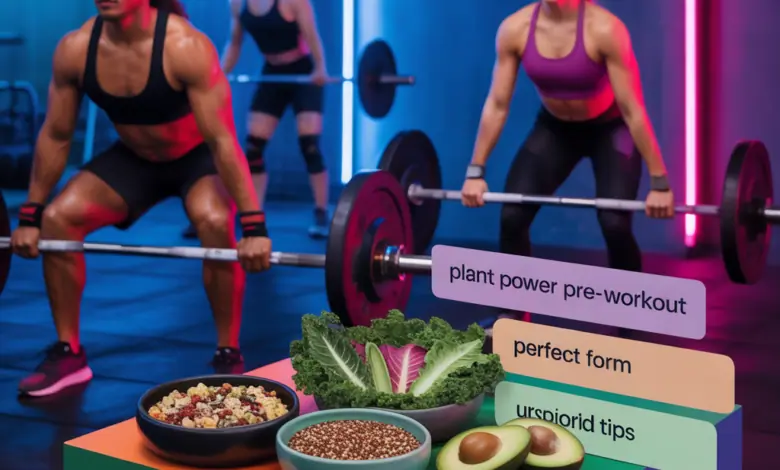
Ever stood in front of the free weights wondering if a plant-based diet can really fuel serious gains? If you’ve ever asked, “Can I build muscle, recover fast, and stay energized on a vegan diet?” — you’re in the right place. This article gives practical, science-friendly gym workout tips diet vegan readers can use right away.
Why a Vegan Gym Plan Works (and What to Watch)
Switching to or optimizing a plant-based lifestyle doesn’t mean losing performance. Real-world athletes and everyday lifters follow vegan meal plans for strength, endurance, and recovery. The key is deliberate planning: prioritize protein-rich foods, plan pre- and post-workout meals, and make recovery a habit.
Core principles for success
- Hit your protein target (0.7–1.0 g per pound for most lifters).
- Eat a variety of whole foods to cover micronutrients: iron, B12, zinc, and omega-3s.
- Match training intensity with calorie and carb intake.
- Use progressive overload and track progress.
Practical Gym Workout Tips Diet Vegan Lifters Swear By
Here are action-oriented tips you can implement in the gym and kitchen this week.
1. Prioritize compound lifts
Squats, deadlifts, bench press, overhead press, and rows move more weight and stimulate more muscle growth than isolation exercises. For beginners, focus on 3–4 compound movements per session.
2. Use rep ranges strategically
- Strength: 3–6 reps, heavier loads, longer rest (2–4 minutes).
- Hypertrophy: 6–12 reps, moderate weight, shorter rest (60–90 seconds).
- Endurance/conditioning: 12–20 reps or higher-rep circuits.
3. Include unilateral work and mobility
Goblet squats, single-leg Romanian deadlifts, and Bulgarian split squats correct imbalances and reduce injury risk. Add hip mobility and thoracic rotation to your warm-up for better technique and longevity.
4. Make recovery non-negotiable
Prioritize 7–9 hours of sleep, stay hydrated, and include active recovery days (walking, light cycling, yoga). Recovery is where gains actually happen.
Vegan Nutrition Strategies That Support Training
Diet is half the battle. A well-constructed vegan gym nutrition plan ensures you have energy for workouts and nutrients for muscle repair.
Protein: hit your numbers
Plant-based protein sources: lentils, chickpeas, tofu, tempeh, edamame, seitan, and protein powders (pea, soy, or rice blends). Spread protein evenly across meals—20–40 g per meal is a practical target for many lifters.
Carbs and timing
Carbohydrates fuel high-intensity sessions. Eat a carb-focused meal 60–120 minutes before training (oats, sweet potato, rice) and prioritize a post-workout carb + protein meal within 60 minutes to refill glycogen and start recovery (lentil pasta with tempeh, or a smoothie with banana and pea protein).
Healthy fats and micronutrients
Include sources of omega-3 (flaxseed, chia, walnuts, or algae supplements), and monitor iron and B12. If you’re unsure about levels, a blood test and targeted supplementation help avoid deficiencies.
Sample One-Day Vegan Meal Plan for Gym-Goers
Here’s a realistic day that balances macros and convenience:
- Breakfast: Tofu scramble with spinach, cherry tomatoes, and a side of quinoa (30–35 g protein).
- Pre-workout snack: Banana with almond butter + a small handful of oats (20–30 minutes before).
- Post-workout: Smoothie with pea protein, frozen berries, spinach, and oat milk (30–40 g protein).
- Dinner: Tempeh stir-fry with mixed vegetables and brown rice.
- Snack: Hummus with whole-grain crackers or edamame.
Workout Variations to Keep Progressing
Plateaus are normal. Use these variations to stimulate growth:
- Tempo training: Slow negatives (3–4 seconds) to increase time under tension.
- Cluster sets: Short breaks inside a heavy set to accumulate volume without dropping weight.
- Supersets: Pair antagonistic muscles (push/pull) or same-muscle supersets for hypertrophy.
- Weekly periodization: Rotate heavy, moderate, and light weeks to recover and push performance.
Real-World Example: From Desk Job to Deadlift PR
Meet Alex, a 32-year-old who went vegan two years ago. After learning to track macros and prioritize protein (pea protein shakes and tempeh lunches), Alex followed a 4-day training split focusing on compound lifts and progressive overload. Six months later, Alex increased deadlift from 225 lb to 315 lb while maintaining bodyweight—proof that consistent training plus a well-planned vegan diet works.
Supplements That Make Sense for Vegan Lifters
Supplements can fill gaps—use them smartly:
- Vitamin B12: essential for vegans.
- Creatine monohydrate: supports strength and muscle gain (vegan-friendly).
- Vitamin D: especially in low-sun months.
- Algae-based omega-3 (DHA/EPA) and iron if levels are low.
Gym Workout Tips Diet Vegan: Common Mistakes to Avoid
- Undereating during intense training phases—calorie deficits hinder recovery and gains.
- Relying on the same protein source—aim for variety to cover amino acids and micronutrients.
- Neglecting progressive overload—without progressive stress, muscles won’t grow.
Frequently Asked Questions
1. Can I build muscle on a vegan diet?
Yes. Muscle growth depends on adequate protein, calories, and progressive training. Using a combination of whole-food proteins and supplements (like pea or soy protein) makes it straightforward to hit targets.
2. What are the best vegan protein sources for gym-goers?
Top choices include lentils, chickpeas, tofu, tempeh, seitan, edamame, and concentrated sources like pea or soy protein powders. Combining grains and legumes throughout the day ensures a full amino acid profile.
3. Do vegans need supplements to perform well in the gym?
Some supplements are highly recommended: B12 is essential, creatine improves strength outcomes, and vitamin D or iron may be necessary depending on bloodwork. Algae-based omega-3s are a vegan-friendly option for EPA/DHA.
Conclusion — Take Action: Train Smarter, Eat Better
Whether you’re new to plant-based eating or a seasoned vegan lifter, these gym workout tips diet vegan strategies will help you train smarter, fuel better, and recover faster. Start by tracking protein for two wbhjkl;
eeks, implement progressive overload in your next four workouts, and tweak pre/post-workout nutrition for energy and recovery.
Ready to build a practical plan? Try a 4-week training and meal template, then visit our workout routines and nutrition guides pages for customizable programs and sample meal plans. For ongoing healthy living advice, check our wellness tips to keep momentum.
Make one change this week—add a high-protein vegan meal or increase the weight on one compound lift—and watch the progress follow.