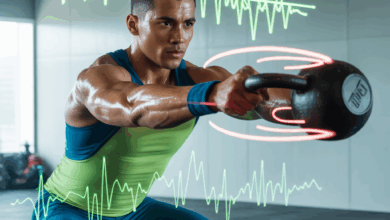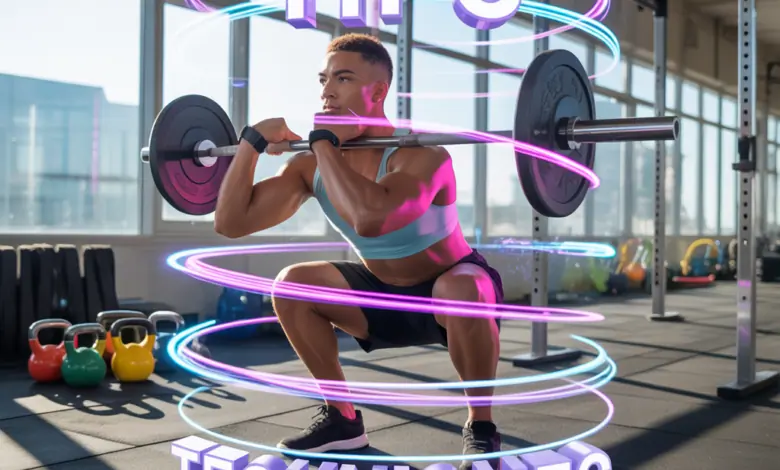
Ever stood in front of a row of machines wondering which one will actually get you results — or felt intimidated by a rack of free weights? You’re not alone. Whether you’re a newbie decoding machines or a regular wanting smarter strength gains, these gym equipment workout tips will help you train more effectively, avoid injury, and get the most out of every session.
Why gym equipment matters — and how to choose what’s right for you
Gym equipment ranges from cardio machines and selectorized weight stacks to barbells and kettlebells. Choosing the right tools depends on your goals: fat loss, strength building, sport performance, or general health. Think of equipment as tools in a toolbox — each one has a specific purpose. Learning how to use them safely and efficiently is the real skill.
Match equipment to your goals
- Strength & hypertrophy: barbells, dumbbells, squat racks, and cable machines.
- Fat loss & conditioning: treadmills, rowers, assault bikes, and kettlebells for metabolic circuits.
- Rehab & mobility: resistance bands, light dumbbells, and stability balls.
Gym equipment workout tips for better form and faster progress
Below are practical, actionable tips you can start using today — whether you’re training in a commercial gym or at home with minimal gear.
1. Setup and alignment: the first and most overlooked step
Always adjust the machine seat, pin positions, and handles to match your body. A misaligned pad on a leg press or a seat too low on a chest press changes the movement pattern and increases injury risk. Real-world example: on the lat pulldown, set the thigh pad snugly above your hips so your torso stays grounded when you pull.
2. Prioritize compound lifts — then add isolation work
Compound exercises (squats, deadlifts, bench press, rows) move multiple joints and produce the biggest strength and muscle-building stimulus. Use machines and cables for accessory lifts that target weak points — e.g., cable triceps extensions after bench press to finish the chest/arm session.
3. Use rep ranges and progressive overload
For strength: 3–6 reps, 3–5 sets. For hypertrophy: 6–12 reps, 3–4 sets. For endurance and conditioning: 12–20+ reps or circuits. Track load, reps, or tempo so you can gradually increase intensity week to week. Small, consistent progress beats sporadic max-outs.
4. Safety hacks for heavy lifts
- Use collars on barbells, especially on heavy sets.
- Rack safety bars on squats and bench presses, or ask for a spotter.
- When using machines, start with a lighter warm-up set to groove the pattern.
Beginner-friendly machine exercises and variations
Machines are great for beginners since they guide the movement and reduce coordination demands.
Sample full-body machine workout (beginner)
- Warm-up: 5–8 minutes on a bike or rower
- Leg Press: 3 sets x 10–12 reps
- Seated Chest Press: 3 sets x 8–10 reps
- Lat Pulldown: 3 sets x 8–10 reps
- Seated Cable Row: 3 sets x 10 reps
- Machine Shoulder Press or Dumbbell Alternative: 2–3 sets x 10 reps
- Cool-down: light mobility and stretching
Progression: increase weight by 5–10% when you can complete the top of the rep range with good form for two sessions in a row.
Free weights vs. machines: which is better?
Neither is strictly better — they complement each other. Free weights build stabilizer muscles and realistic functional strength, while machines are excellent for isolating muscles, reducing injury risk, and adding volume without taxing coordination. A well-rounded program uses both.
Combining both: a practical plan
Start sessions with free-weight compound movements (e.g., barbell squats) when you’re freshest, then use machines and cables for higher-rep accessory work. If recovering from injury, favor machines and lower loads until strength and mobility return.
Workout variations that keep results coming
Switch tempo, rep ranges, and exercise order every 4–8 weeks to prevent plateaus. Try these variations:
- Tempo sets (e.g., 3 seconds down, 1 second up) to increase time under tension.
- Supersets combining push and pull for time-efficient hypertrophy.
- EMOM (every minute on the minute) circuits for conditioning with kettlebells and bodyweight.
Healthy lifestyle habits that amplify gym results
Training is only half the equation. Sleep, nutrition, hydration, and stress management determine how well you recover and grow.
Nutrition basics
Prioritize protein (0.7–1.0 g per lb bodyweight for active trainees), whole-food carbohydrates around workouts, and healthy fats for hormone health. If muscle gain is the goal, aim for a modest calorie surplus; for fat loss, a moderate deficit while keeping protein high. For detailed meal ideas and timing, check our nutrition guides.
Recovery and mobility
Incorporate foam rolling, dynamic stretches, and at least one lower-intensity day per week. Prioritize 7–9 hours of sleep to facilitate muscle repair and cognitive performance.
Real-world example: 45-minute equipment-based strength session
Warm-up (8 min): Row 5 min + mobility. Strength circuit (32 min): Barbell back squats 4×6, superset with Romanian deadlifts 3×8; Seated cable row 3×10; Dumbbell bench press 3×8. Finish (5 min): Core plank ladder and light stretching. Adjust loads and rest to fit your level.
Frequently Asked Questions
Q1: How often should I train with gym equipment each week?
A: Aim for 3–5 sessions per week depending on your schedule and goals. Beginners benefit from full-body workouts 3x/week. Intermediate lifters often split workouts (upper/lower or push/pull/legs) to increase volume without overtraining.
Q2: Can I build muscle using only machines?
A: Yes. Machines can produce excellent hypertrophy, especially when you use progressive overload and vary rep ranges. However, adding free weights can improve functional strength and balance.
Q3: What’s the safest way to learn new equipment at the gym?
A: Start with light weight, watch form in a mirror, and ask staff for a quick demo if available. Record yourself or train with a knowledgeable friend. Focus on mastering movement patterns before chasing heavy loads.
Conclusion — put these gym equipment workout tips into action
Smart use of gym equipment accelerates results, reduces injury risk, and keeps training sustainable. Start by mastering setup and form, prioritize compound lifts, and layer in machines for targeted work. Combine consistent training with solid sleep and nutrition to see real improvements. Ready to build a plan that fits your life? Check our workout routines and explore more wellness tips to get started today.
Call to action: Pick one tip from this article and apply it to your next session — adjust a machine, add a tempo change, or track one more rep. Small changes create big results.