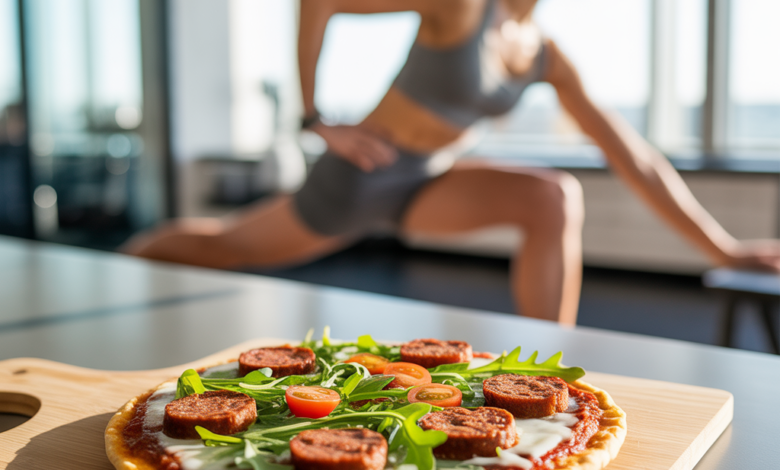
Ever come home after a tough workout, craving something comforting but also smart for your nutrition goals? Imagine sinking your teeth into a warm, savory slice that’s entirely plant-based and grain-free—no dairy, no gluten, all flavor. If that sounds like a dream, this guide to a gluten free vegan sausage pizza will show you how to indulge without derailing progress.
Why choose a gluten free vegan sausage pizza?
Whether you have a food sensitivity, follow a plant-based lifestyle, or simply want cleaner ingredients, this pizza is a win. A gluten-free crust plus savory vegan sausage offers a lower-inflammatory, dairy-free alternative to traditional pizzas. It’s also easy to customize for higher protein, lower carbs, or whole-food preferences—perfect for athletes and everyday fitness enthusiasts who want both taste and recovery-friendly nutrition.
What makes this recipe fitness-friendly?
This pizza prioritizes:
- Lean plant protein options (e.g., tempeh sausage, high-protein vegan crumbles)
- Complex carbohydrate choices like cassava or cauliflower crusts for steady energy
- Healthy fats from olive oil and toppings like avocado or olives
- Fiber and micronutrients from fresh veggies and tomato sauce
Ingredients and substitutions (Gluten Free Vegan Sausage Pizza)
Below is a flexible ingredient list you can adapt based on goals and pantry items.
Base ingredients
- 1 gluten-free pizza crust (cassava, cauliflower, or store-bought gluten-free base)
- 1 cup tomato sauce (no-sugar-added)
- 1–1.5 cups plant-based cheese or a light nutritional yeast blend
- 1 cup vegan sausage (crumbled tempeh, seitan-free sausage, or high-protein crumbles)
- 1 cup mixed veggies: bell peppers, mushrooms, spinach
- 1 tbsp olive oil, herbs (oregano, basil), salt and pepper to taste
Protein and calorie-boost options
- Add cooked lentils or chickpeas for extra protein and fiber
- Top with arugula and a sprinkle of hemp seeds after baking for omega-3s
Step-by-step: How to make your gluten free vegan sausage pizza
- Preheat oven according to crust instructions (usually 425°F / 220°C).
- Prepare vegan sausage: crumble and pan-fry with a little olive oil, garlic powder, and smoked paprika until browned.
- Spread tomato sauce evenly over the crust, then add plant-based cheese or nutritional yeast.
- Distribute cooked sausage and veggies on top. Finish with herbs and a drizzle of olive oil.
- Bake for 10–15 minutes, or until crust is golden and cheese is melted. Add fresh greens or avocado after baking.
Nutrition notes and portion control
One slice of a homemade gluten free vegan sausage pizza can be a balanced mini-meal when paired with a side salad or simple protein shake. If you’re tracking macros for strength training, opt for a higher-protein sausage and consider a cauliflower blend crust to reduce net carbs. For endurance athletes, a cassava or rice-based gluten-free crust provides more glycogen-replenishing carbs after long sessions.
Fitness tips to pair with your pizza night
Enjoying pizza doesn’t have to conflict with your fitness routine. Here are practical ways to incorporate a slice into a healthy lifestyle:
- Timing: Have your pizza within 1–2 hours after a resistance training session to support muscle recovery.
- Portion strategy: Pair two slices with a large salad or steamed greens to increase satiety without excess calories.
- Hydration: Drink water or a mineral-rich beverage—sodium from vegan sausage can spike thirst.
Workout variations to justify a slice
Want to earn that pizza? Try these short workouts:
- 20-minute HIIT circuit: 6 rounds of 30s sprint / 30s rest + bodyweight circuit (push-ups, squats, planks)
- Strength-focused session: 4 sets of heavy squats and deadlifts (3–6 reps) to boost metabolism
- Active recovery: 30–45 minutes of brisk walking or light cycling if you’ve had a hard week of training
Real-world examples: How I use this recipe
As a coach, I recommend clients use this pizza as a flexible meal—especially on weekend refeed days. One client swapped her Saturday takeout for a homemade gluten free vegan sausage pizza and noticed reduced bloating and better sleep because she avoided dairy and processed toppings. Another used it as a protein-rich dinner after a long trail run, adding lentil crumbles for extra recovery benefits.
Make it your own: topping ideas and meal planning
Mix and match toppings to match training needs:
- Higher protein: tempeh crumble, edamame, tofu ricotta
- Lower carb: extra veggies, cauliflower crust, leafy arugula
- More carbs for refueling: sweet potato slices, roasted beets, cassava crust
Frequently Asked Questions
1. Is gluten free vegan sausage pizza high in protein?
It can be. Choosing high-protein vegan sausage (tempeh or soy-based crumbles), adding lentils or hemp seeds, and using a protein-rich crust option will boost protein. Aim for 15–25g protein per serving if you’re recovering from resistance training.
2. Can I make this pizza low-calorie without losing flavor?
Yes. Use a cauliflower crust, reduce the amount of oil and plant-based cheese, and prioritize lots of vegetables and herbs for bulk and flavor. A side salad adds volume and micronutrients without many calories.
3. Where can I find gluten-free vegan sausage alternatives?
Look for tempeh, tofu-based sausages, or high-protein vegan crumbles in the refrigerated or frozen section. You can also season and crumble cooked lentils or chickpeas as a homemade sausage substitute for a whole-food version.
Conclusion: Savor smart — try this gluten free vegan sausage pizza tonight
Gluten free vegan sausage pizza proves that comfort food and smart nutrition can coexist. Whether you’re an athlete, busy parent, or someone exploring plant-based options, this pizza is adaptable, satisfying, and recovery-friendly. Try the recipe, tweak the toppings to meet your training needs, and pair it with one of your favorite workouts from our workout routines or meal strategies in our nutrition guides. For more everyday advice on feeling and performing better, check out our wellness tips.
Ready to bake? Make a batch this weekend, tag your progress, and sign up for my newsletter for weekly recipes and training plans that make healthy living delicious and doable.