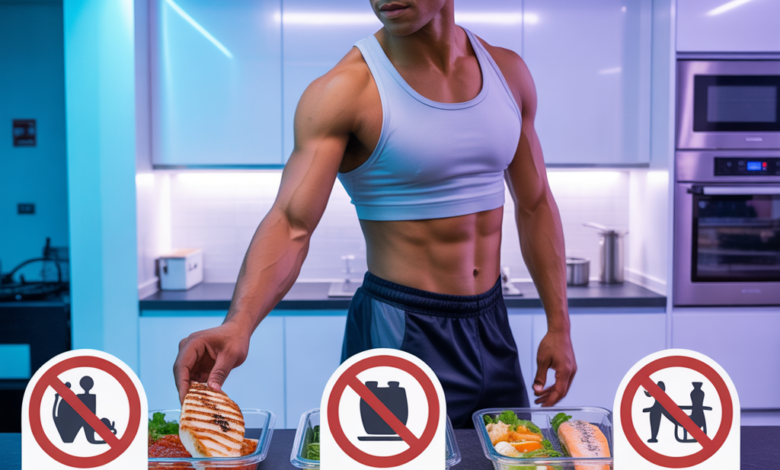
Ever stood in front of your microwave staring at last night’s takeout and wondered, “Is this safe to heat up again?” We’ve all been there—especially busy professionals, parents, and anyone balancing workouts with a hectic schedule. Knowing which foods you should never reheat (and which ones to treat with care) can protect your health, preserve flavor, and keep your training on track.
Foods You Should Never Reheat
Not every leftover is created equal. Below are common foods that can become risky, unpleasant, or nutritionally compromised when reheated improperly—and practical tips to handle them.
1. Cooked Rice
Why avoid it: Cooked rice can harbor Bacillus cereus spores. If rice cools slowly at room temperature, bacteria can multiply and produce heat-resistant toxins that reheating won’t remove.
What to do instead: Cool rice quickly, store it in the fridge within two hours, and eat within one day. For meal prep, cook smaller batches or freeze portions immediately.
2. Potatoes (cooked and left out)
Why avoid it: Baked or roasted potatoes left wrapped in foil at room temperature create an environment that can encourage bacterial growth, including rare but serious pathogens.
What to do instead: Store cooked potatoes in the refrigerator in a shallow container, and reheat only once to 165°F (74°C). If a potato smells off or has a slimy texture, discard it.
3. Mushrooms
Why avoid it: Mushrooms are high in proteins that can break down and lead to stomach upset when reheated after long storage.
What to do instead: If you must reheat, consume within 24 hours and reheat quickly and thoroughly. Freshly cooked mushrooms taste best and are gentler on digestion.
4. Eggs (especially soft-boiled or fried)
Why avoid it: Reheating boiled or fried eggs can change their texture and, if stored too long, increase risk of bacterial contamination. Microwaving whole eggs can also be dangerous (they can explode).
What to do instead: Use eggs in salads or dishes that can be eaten cold, or cook fresh eggs when possible. If reheating scrambled eggs, do it gently and only once.
5. Seafood and Shellfish
Why avoid it: Fish and shellfish spoil fast. Some seafood can accumulate histamines when improperly stored—reheating won’t remove these toxins and can cause allergic-type reactions.
What to do instead: Eat seafood the day it’s cooked or freeze portions immediately. When in doubt, opt for fresh-cooked fish post-workout instead of reheated leftovers.
6. Leafy Greens (spinach, beet greens)
Why avoid it: Leafy greens contain nitrates that can convert into nitrites on repeated reheating—an issue mainly for infants and sensitive populations.
What to do instead: Prepare greens fresh or lightly sauté and consume promptly. If you meal prep greens, store them separately and add to warm dishes rather than reheating them repeatedly.
7. Processed Meats (bacon, ham, hot dogs)
Why avoid it: High-temperature reheating of cured meats may increase formation of compounds like nitrosamines, which are best limited in a health-conscious diet.
What to do instead: If you enjoy cured meats, reheat gently and keep portions small—prioritize fresh lean proteins for regular meals.
How to Reheat Leftovers Safely: Practical Rules
- Cool and refrigerate within two hours of cooking (one hour in hot environments).
- Store leftovers in shallow containers so they cool quickly and evenly.
- Reheat only once if possible—repeated cooling and reheating increases bacterial risk.
- Always heat leftovers to at least 165°F (74°C) throughout. Use a thermometer when in doubt.
- When freezing, label with date and eat within 1–3 months for best quality.
Meal Prep & Fitness-Friendly Alternatives
As someone focused on health and performance, you still need convenience. Plan meals that reheat well and support your recovery and energy:
- Choose whole grains that hold texture: quinoa, barley, and farro are less risky than long-cooked rice when stored properly.
- Cook lean proteins in bulk and portion into single-serve containers—grilled chicken breast, turkey meatballs, and tofu reheat reliably.
- Opt for stews, chili, and hearty soups—these reheat evenly and maintain nutrients and flavor.
Fast Post-Workout Meal Ideas
- Grilled chicken + quinoa + roasted veggies (portion & freeze)
- Lentil stew with sweet potato — batch-cook and refrigerate within two hours
- Greek yogurt with fresh fruit and oats (no reheating needed)
Real-World Examples & Workout Tips
Scenario 1: The weekend warrior prepping meals for Monday workouts. Instead of reheating a big tray of rice and mushrooms, portion your grains and veggies separately. Heat grains and protein quickly, add fresh greens after warming.
Scenario 2: The early-morning runner who needs a fast bite. Prep overnight oats or scrambled eggs made fresh the night before and consumed the next morning (refrigerated; gently reheated or eaten cold).
Workout variation tip: If you’re short on time, try a 20-minute HIIT circuit (sprints, jump squats, kettlebell swings). Pair it with a refuel that doesn’t require reheating—smoothie with protein powder, banana, and spinach—this minimizes safety risks and speeds recovery.
Frequently Asked Questions
Q1: Is it ever safe to reheat rice?
A: Yes—if rice is cooled quickly, refrigerated within two hours, and reheated to 165°F (74°C) and eaten immediately. Avoid leaving rice at room temperature and don’t reheat more than once.
Q2: Can reheating chicken make you sick?
A: Reheating chicken that has been stored properly is generally safe if you heat it thoroughly. The key risks come from poor storage (leaving it out too long) and reheating multiple times. For best quality, consume within 3–4 days of refrigeration.
Q3: Which leftovers are best for meal prep?
A: Stews, chilis, soups, grilled lean proteins, and hardy grains (quinoa, farro) reheat well. Store vegetables and fresh greens separately for better texture and nutrition. For meal prep inspiration, check our nutrition guides.
Conclusion — Keep These Foods Off the Reheat List
Knowing which foods you should never reheat (or should reheat with caution) helps protect your digestion, maintain nutrients, and keep your fitness routine uninterrupted. Cool food quickly, store it correctly, reheat once to a safe temperature, and choose meal-prep-friendly recipes that support training and recovery.
Want practical meal plans and workout pairings that make healthy living simple? Explore our workout routines, browse more nutrition guides, and pick up daily habits on our wellness tips page. Ready to cook smarter and feel better—starting today?