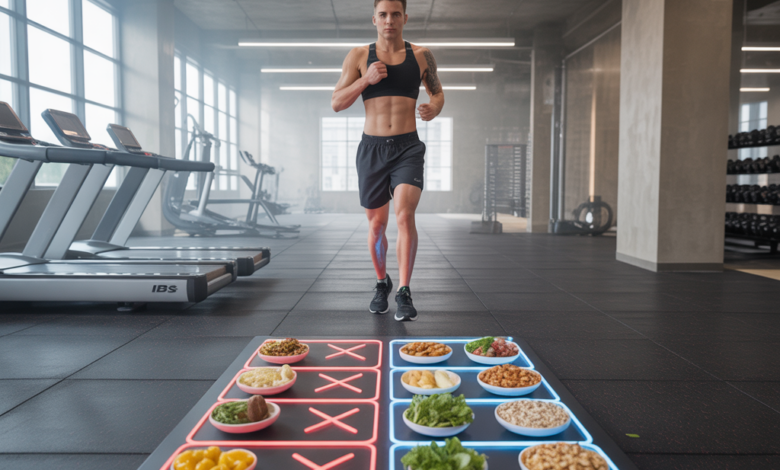
Ever planned a day out only to cancel because you woke up with bloating or cramping? If you have irritable bowel syndrome (IBS), that gut-ruining unpredictability is all too familiar. The good news: identifying the right foods to avoid with IBS and pairing smart lifestyle moves can dramatically reduce flare-ups and help you live the active life you want.
Why food choice matters for IBS
IBS is a functional gut disorder that makes your digestive system sensitive to certain triggers. While triggers differ from person to person, many people notice common culprits—gas-producing foods, high-FODMAP items, and overly fatty or processed meals. A thoughtful approach to diet, movement, and stress management can cut down frequency and severity of symptoms.
Top foods to avoid with IBS (and sensible alternatives)
Below are common trigger foods grouped by symptom type, with easy swaps so you don’t feel deprived.
1. High-FODMAP fruits and vegetables (common gas and bloating culprits)
- Avoid: Apples, pears, cherries, cauliflower, asparagus, onions, garlic.
- Try instead: Bananas, blueberries, strawberries, carrots, spinach, green beans.
- Tip: Portion size matters—small servings of higher-FODMAP foods may be tolerated.
2. Beans, lentils, and certain whole grains (can cause gas and cramping)
- Avoid: Navy beans, chickpeas in large amounts, wheat-based products if sensitive.
- Try instead: Canned lentils rinsed thoroughly (smaller portions), quinoa, oats (gluten-free if needed).
- Real-world swap: Replace a large bean chili with a turkey & quinoa bowl to reduce bloating but keep fiber.
3. Dairy for lactose-sensitive people
- Avoid: Regular milk, soft cheeses, ice cream if lactose intolerant.
- Try instead: Lactose-free milk, hard cheeses, unsweetened almond or oat milk, and fortified plant yogurts with probiotics.
4. Artificial sweeteners and sugar alcohols
- Avoid: Sorbitol, mannitol, xylitol—often found in “sugar-free” gum and diet foods.
- Try instead: Small amounts of natural sweeteners (e.g., real maple syrup) or re-assess need for sweet replacement entirely.
5. Fried, fatty, and highly processed foods
- Avoid: Fast food, heavily fried snacks, greasy sauces. These can speed up or slow down transit and worsen cramping.
- Try instead: Grilled proteins, baked or steamed vegetables, homemade dressings with olive oil in moderation.
How to identify your personal triggers: practical steps
No one-size-fits-all plan exists—your body will tell you what works. Use these practical tools:
- Keep a food and symptom diary for 2–4 weeks: record meals, portion sizes, exercise, stress levels, and symptoms.
- Try a guided elimination approach (low FODMAP) with gradual reintroduction to pinpoint problem foods.
- Work with a registered dietitian or gastroenterology professional for tailored guidance.
Exercise and IBS: fitness tips that actually help
Movement is powerful for gut health—when chosen and timed wisely.
Low-impact cardio for digestion
- Daily 20–30 minute brisk walks—excellent after meals to reduce bloating and stimulate digestion.
- Swimming or cycling: gentle on the gut and joints, ideal when symptoms are mild.
Strength training variations
- Full-body circuit (3× per week): light compound lifts (squats, rows, deadlifts) with moderate rest to avoid jarring the abdomen.
- Core-friendly options: plank variations, dead bug, and side bridges—avoid intense twisting movements during flare-ups.
Yoga and breathwork for immediate relief
- Try restorative yoga poses (child’s pose, supine twist) and diaphragmatic breathing to calm the nervous system and ease cramping.
- Example mini-routine: 10 minutes of slow breathing, 10 minutes of gentle yoga after dinner.
For more structured plans, check out our workout routines and adapt sessions for low-impact days.
Healthy lifestyle habits that support a calm gut
- Hydration: Sip water throughout the day; avoid gulping cold drinks with meals if you notice sensitivity.
- Fiber balance: Soluble fiber (oats, psyllium) often helps, while insoluble fiber (wheat bran) can irritate some people—adjust slowly.
- Sleep and stress: Aim for 7–9 hours and practice stress-reduction techniques—IBS symptoms often worsen under chronic stress.
- Timing meals: Smaller, frequent meals reduce digestive load versus large heavy meals.
Real-world example: Jenna’s three-week reset
Jenna, a 32-year-old teacher, used to rely on fast lunches and coffee between classes. She struggled with mid-day cramping and unpredictable bathroom runs. Her three-week plan:
- Week 1: Kept a food diary and cut out sugar-free gum and large servings of apples.
- Week 2: Switched to lactose-free milk, introduced 20-minute walks after lunch, and reduced fried foods.
- Week 3: Added two low-impact strength sessions and a bedtime wind-down routine.
Result: Reduced flare-ups, steadier energy, and more confidence planning social outings. Small swaps, consistent movement, and tracking made the difference.
When to see a professional
If symptoms are severe, worsening, or associated with weight loss, anemia, or bleeding, see a healthcare provider promptly. For tailored dietary changes, consider a nutrition guides resource or a registered dietitian who can help with a personalized low FODMAP plan.
Frequently Asked Questions
1. What are the most common foods that trigger IBS symptoms?
Common triggers include high-FODMAP foods (onions, garlic, apples), beans and lentils, lactose-containing dairy, artificial sweeteners (sorbitol, xylitol), and greasy or highly processed meals. Individual responses vary—tracking helps identify personal triggers.
2. Can exercise make IBS worse?
Intense, high-impact exercise immediately after a large meal can sometimes aggravate symptoms. However, regular moderate exercise—walking, swimming, yoga—typically improves bowel regularity and reduces stress-related flares. Adjust intensity and timing based on how you feel.
3. Should I start a low-FODMAP diet on my own?
A low-FODMAP elimination can be effective but is best done under guidance, especially long-term. It’s restrictive and can unintentionally reduce nutrient diversity. A dietitian can help reintroduce foods to find a sustainable, gut-friendly diet.
Conclusion — Start small, track, and adjust
Knowing which foods to avoid with IBS is the first step toward predictable days and better workouts. Start with a short food diary, make one or two swaps (like replacing fried lunches with grilled protein + low-FODMAP veggies), and add gentle daily movement. If you’re ready to build a gut-friendly routine, explore our wellness tips and use the practical strategies here to take control of your symptoms.
Call to action: Try a 7-day experiment—remove one common trigger, add a 10–20 minute walk after meals, and note changes. If you notice improvement, keep going and consider booking a consult with a dietitian for a personalized plan.