Ever jumped into the pool minutes after a heavy lunch and regretted every stroke? Or felt an uneasy churning stomach during a lap set that ruined your rhythm? Whether you’re training for a triathlon, teaching your kids to swim, or heading out for a beach day, what you eat beforehand can make or break your session. In this guide we’ll cover the top foods to avoid before swimming, smarter alternatives, and practical fitness tips so you can feel strong, steady, and comfortable in the water.
Why food choice matters before a swim
The body is a system of trade-offs. When you digest a large or fatty meal, blood flow is redirected to the stomach and intestines. That can leave your muscles oxygen-deprived and increase the chance of cramps, nausea, and sluggishness—especially in cool water. Additionally, certain foods can cause gas, reflux, or sudden energy crashes, none of which help your freestyle or breaststroke. Understanding pre-swim nutrition helps with endurance, comfort, and performance.
Top foods to avoid before swimming
Below are common culprits that often lead to discomfort in the pool. Skip these within 60–90 minutes of getting in the water, or longer for large meals.
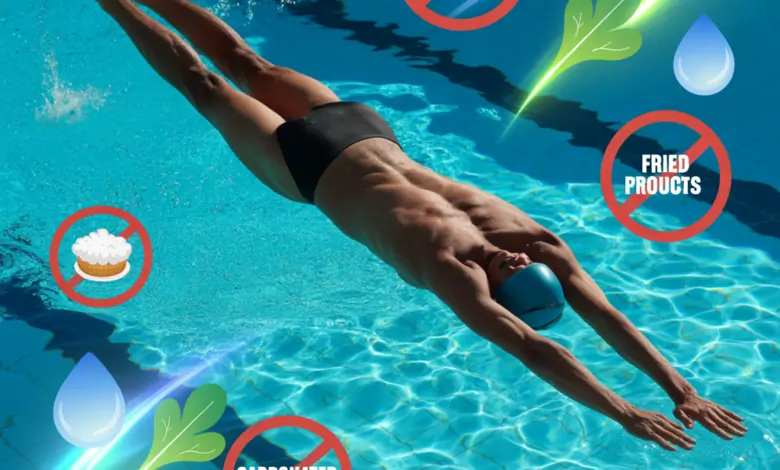
- Greasy and fried foods — Burgers, fries, fried chicken, and heavy sauces slow digestion and can cause bloating and sluggishness.
- High-fat dairy — Full-fat cheese, creamy milkshakes, and heavy cream can sit in the stomach and trigger reflux.
- Beans and cruciferous vegetables — Beans, broccoli, cauliflower, and Brussels sprouts often cause gas, which is uncomfortable while swimming.
- Carbonated beverages — Soda and sparkling drinks introduce gas into the digestive tract and can lead to bloating or burping mid-lap.
- Spicy foods — Chili peppers and hot sauces may cause heartburn or indigestion, especially in chlorinated water.
- Large, heavy meals — Eating too much, even of “healthy” foods, can divert energy to digestion and away from your muscles.
- High-fiber bars or cereals right before swimming — Fiber is great overall, but an immediate pre-swim hit can cause sudden bathroom urges or bloating.
- Alcohol — Alcohol impairs coordination, dehydrates, and reduces reaction times—avoid it before swimming.
Real-world examples
Think of Sarah, a weekend swimmer training for a 5K open-water swim. After eating a cheese-heavy sub an hour before practice, she experienced cramps and had to stop early. Contrast that with Marcus, who sipped a banana smoothie 45 minutes before his session—he felt energetic and completed his sets with faster splits. Timing and food type made the difference.
What to eat instead: smart pre-swim meal and snack ideas
Focus on easily digestible carbohydrates, moderate protein, and low fat about 30–90 minutes before swimming. Hydration is equally important.
- Light snack (30–60 minutes prior): banana, plain toast with honey, rice cakes, low-fiber granola bar, or a small yogurt (low-fat).
- Meal (2–3 hours prior): grilled chicken or fish with rice and steamed vegetables, a turkey sandwich on whole-grain bread, or a quinoa salad with light dressing.
- Hydration: water is best. For long training sessions, include an electrolyte drink to replace salts lost through sweat.
Pre-swim snack recipes
Try a banana + a tablespoon of almond butter, or Greek yogurt with a drizzle of honey and a few berries. These provide quick carbs and gentle protein without the heavy fats that slow you down.
Warm-ups, workout variations, and fitness tips for better pool performance
Eating well is only part of the puzzle. Combine it with smart warm-ups and variations in training to prevent cramps and improve performance.
- Dynamic warm-up on deck: 5–10 minutes of arm swings, shoulder rolls, leg swings, and light jogging to raise heart rate before hitting the water.
- Pace your breathing: Practice bilateral breathing or controlled exhalations to reduce the chance of side stitches after eating.
- Workout variation: If you ate closer to swim time, choose technique drills and short sprints over long aerobic sets; save high-volume sets for after a longer digestion window.
- Hydration strategy: Sip 200–300 ml of water 15–30 minutes before swimming and continue hydrating between sets.
- Listen to your body: If you feel twinges of discomfort, switch to relaxed drills—don’t push through sharp pain or severe cramps.
Healthy lifestyle habits that support better swimming
Long-term fitness gains come from consistent habits. Aim for:
- Balanced meals timed to training sessions (plan heavier meals well before workouts).
- Regular strength training and mobility work to reduce injury and improve form—the workout routines section has dryland ideas specifically for swimmers.
- Good sleep and stress management—both affect digestion and performance.
- Daily hydration and mindful eating to prevent overeating before pool sessions. For more on meals and timing, check the nutrition guides.
Foods to avoid before swimming: quick checklist
- Anything fried or greasy
- Large portions of red meat
- Heavy dairy and creamy sauces
- Beans, cabbage, and lentils right before swimming
- Carbonated and alcoholic drinks
- High-fiber meals immediately before a workout
Frequently Asked Questions
1. How long should I wait after eating before swimming?
For light snacks (like a banana or toast), waiting 20–45 minutes is usually enough. For large or fatty meals, wait 2–3 hours to reduce the risk of cramps, indigestion, and sluggishness. Individual digestion varies, so use how you feel as a guide.
2. Can I have protein shakes before swimming?
Yes—if they’re low in fat and not overly thick. A simple whey or plant-based shake with water or low-fat milk 30–60 minutes before swimming can work well. Avoid heavy smoothies with lots of nut butters or full-fat dairy immediately before a session.
3. What if I get a stitch or cramp while swimming?
Slow down, focus on deep exhalations and gentle stretching (raise your arm on the affected side and lean away from it). Rest if needed and sip water. If cramps are frequent, evaluate your pre-swim meals and hydration—and consider lighter snacks or different timing.
Conclusion
Knowing which foods to avoid before swimming can save you from uncomfortable cramps, sluggish workouts, and ruined practice sessions. Opt for easily digestible carbs, moderate protein, and light hydration before jumping in the pool. Combine smart pre-swim nutrition with proper warm-ups and varied workouts to swim stronger and enjoy every session. Ready to build a pre-swim plan that fits your goals? Explore our wellness tips and workout routines to create a routine that keeps you comfortable and fast in the water.
Call to action: Try swapping one pre-swim guilty-pleasure food for a lighter alternative this week and notice the difference—then share your results or questions in the comments below.