Have you ever fumbled with a jar lid, dropped your coffee mid-walk, or felt your hands give out on the last crimp while climbing? Whether you’re a weekend warrior, a musician, or someone recovering from an injury, weak fingers and poor grip can be frustrating. Finger resistance bands for grip strenght are a simple, portable, and effective tool to fix that — and you can start seeing improvements in weeks.
Why choose finger resistance bands for grip strenght?
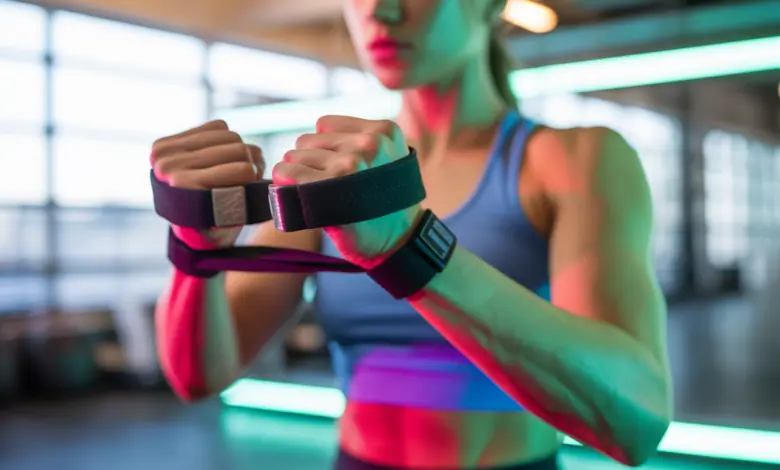
Finger resistance bands (also called finger extension bands or resistance rings) target the small muscles of the hand, fingers, and forearm that many traditional grip tools miss. Unlike squeeze grippers that primarily train flexion, finger bands focus on extension and balance — reducing injury risk and improving overall hand function.
- Portable and inexpensive — perfect for travel or office use.
- Progressive resistance — many sets include multiple tension levels.
- Low-impact — ideal for rehab, arthritis management, and gradual strength gains.
- Improves dexterity and endurance for sports (climbing, golf), music, and daily tasks.
How to choose the right finger resistance bands
Not all bands are created equal. When selecting finger bands, consider:
- Material: Medical-grade silicone is durable and comfortable against skin.
- Resistance levels: Look for a set with light, medium, and heavy rings to progress safely.
- Fit and size: Rings should fit the fingers without cutting off circulation. Adjustable designs or multiple sizes are useful.
- Purpose: Rehab-focused bands tend to be lighter and more pliable; strength-oriented sets include firmer rings.
6 effective exercises using finger resistance bands (workout variations)
Perform these exercises 3–4 times per week. Start light and focus on slow, controlled movements. Aim for 2–3 sets of 10–20 reps per exercise depending on resistance.
1. Finger extensions
Place a band around all five fingers and gently open the hand, spreading fingers against resistance. Hold for 1–2 seconds at full extension, then return slowly. Great for balancing flexor work and reducing tendon imbalance.
2. Single-finger extension
Loop a band over one finger and the thumb, then extend that finger outward. This isolates weak digits (useful for clingers or guitarists needing finger independence).
3. Pinch hold with band assistance
Wrap a light band around the tips of the index and middle finger and the thumb, then practice pinching a cloth or small weight. The band provides controlled tension while training pinch strength and coordination.
4. Reverse curls
With a band around the fingers, perform small wrist extension movements. This targets the extensor muscles and improves forearm balance — especially helpful for typing or racket sports.
5. Isometric holds
Open the fingers against the band until fully extended and hold 10–30 seconds. Isometrics build endurance in the small stabilizer muscles of the hand.
6. Functional drills
Simulate real-world tasks: unscrew a jar with a band applied, manipulate coins, or simulate climbing grips. Functional practice transfers strength gains to daily life and sport.
Programming tips: frequency, progression, and safety
- Warm-up first: 3–5 minutes of gentle wrist circles, finger bends, and hand shaking reduces injury risk.
- Progress gradually: Increase reps, sets, or band resistance every 7–10 days. If you feel pain (sharp, shooting, or persistent), stop and consult a professional.
- Balance flexion and extension: Pair band work with squeezing exercises (grippers, putty) to avoid muscle imbalance.
- Recovery: Give hands 48 hours between intense sessions. Small-muscle groups recover faster but are sensitive to overuse.
- Track progress: Note reps, resistance color, and perceived difficulty to ensure steady improvement.
Healthy lifestyle habits that support grip strength
Grip strength isn’t just about training; it’s supported by nutrition, rest, and overall fitness.
- Protein intake: Adequate protein supports muscle repair. Include lean proteins and plant-based sources as part of a balanced diet.
- Hydration and electrolytes: Dehydration can cause cramping and reduced performance — drink water consistently throughout the day.
- Sleep: Most muscle recovery happens during sleep. Aim for 7–9 hours nightly.
- Whole-body strength: Strong shoulders, back, and core support grip-heavy movements. Incorporate compound lifts into your routine — see our workout routines for sample plans.
- Mobility and hand care: Stretch the forearms, use contrast baths or gentle massage for soreness, and consider finger-friendly supplements if advised by a healthcare professional (e.g., collagen for connective tissue).
Real-world examples: who benefits most?
Consider these scenarios:
- Climber: Uses bands twice weekly to strengthen finger extension and prevent tendon strain from heavy crimping.
- Pianist or guitarist: Builds finger independence with single-finger extensions to improve speed and resistance to fatigue.
- Office worker: Adds short band sessions between meetings to counteract hours of keyboard flexion and reduce wrist pain.
- Older adult in rehab: Uses light bands daily to regain grip after surgery or to manage arthritis symptoms.
Frequently Asked Questions
Are finger resistance bands safe for rehabilitation?
Yes — when used under guidance or a recommended program. Bands offer low-load, controlled resistance ideal for tendon and muscle rehabilitation. Start with the lightest resistance and consult a physical therapist if you have a recent injury.
How often should I train with finger resistance bands?
Begin with 3 sessions per week, allowing 48 hours between sessions for recovery. As strength improves, you can increase to 4–5 shorter sessions focused on endurance and maintenance.
Can finger bands replace grippers and other grip tools?
Not entirely. Finger bands complement grippers and heavy loading tools by strengthening extensors and improving balance. For maximal grip strength, combine band work with compressive training (hand grippers, farmer carries) for comprehensive development.
Conclusion: Start small — win big with finger resistance bands for grip strenght
Finger resistance bands for grip strenght are a small investment that delivers big functional returns: better daily dexterity, improved performance in sport and music, and lower injury risk. Start with short, consistent sessions, focus on form, and progress gradually. Want a simple 4-week plan to follow? Check out our workout routines and pair it with tips from our nutrition guides to accelerate recovery and gains.
Ready to strengthen your hands and never lose grip again? Pick a light band today, commit to 10 minutes a day, and track your progress — your hands will thank you. For more practical health routines and daily wellness ideas, explore our wellness tips page and get started.