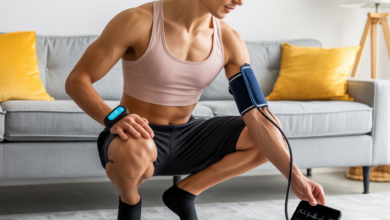
Have you ever finished a busy day and wondered which workout will actually make you feel better tomorrow — not just tired? If you want lasting energy, a stronger body, and better mood, choosing the right exercise types to improve health matters more than the latest fitness trend. Let’s break down the best ways to move, why they work, and how to build a real-life plan you’ll stick with.
Why different exercise types matter for overall health
Health isn’t one-dimensional. Cardiovascular fitness, muscle strength, flexibility, balance, and mental resilience all play a role. Different workouts target different systems — and combining them gives you the greatest return on time invested. Whether you’re a busy parent, desk worker, or retiree, mixing cardio, strength training, mobility work, and balance exercises creates a sustainable, well-rounded routine.
Top exercise types to improve health
Below are the major categories you should include, why each matters, and practical variations to fit your lifestyle.
1. Cardiovascular (aerobic) exercise
Why it matters: Cardio strengthens your heart and lungs, improves circulation, reduces blood pressure, and boosts mood through endorphin release.
- Examples: Brisk walking, jogging, cycling, swimming, dancing.
- Best for: Weight management, heart health, increased stamina.
- Real-world tip: If you’re short on time, try interval walking — alternate 2 minutes brisk, 1 minute easy, for 20–30 minutes.
2. Strength training (resistance exercise)
Why it matters: Building muscle increases metabolic rate, supports joints, reduces injury risk, and maintains bone density as you age.
- Examples: Bodyweight moves (push-ups, squats), free weights, resistance bands, kettlebells.
- Best for: Muscle tone, functional strength, long-term weight control.
- Workout variation: Do a full-body strength circuit twice a week — 8–10 exercises, 2–3 sets of 8–12 reps (e.g., squats, rows, lunges, plank).
3. Flexibility and mobility exercises
Why it matters: Flexibility reduces stiffness, improves posture, and supports better movement patterns for daily life and other workouts.
- Examples: Dynamic stretches before activity, static stretching after workouts, yoga, Pilates.
- Real-world tip: Add a 10-minute mobility flow in the morning or as a cool-down to keep shoulders, hips, and spine happy.
4. Balance and stability training
Why it matters: Balance work lowers fall risk, improves coordination, and enhances athletic performance.
- Examples: Single-leg stands, heel-to-toe walking, balance pad exercises, Tai Chi.
- Best for: Older adults, anyone recovering from injury, athletes looking to reduce ankle or knee injuries.
5. Low-impact options and recovery work
Why it matters: Not every workout needs to be high intensity. Low-impact exercise and active recovery speed up progress and prevent burnout.
- Examples: Swimming, elliptical training, walking, restorative yoga, foam rolling.
- Tip: Schedule at least one active recovery day a week — a gentle swim or long walk can keep momentum without taxing the body.
How to design a balanced weekly plan
Here’s a simple, flexible template you can adapt based on your fitness level and schedule:
- 2–3 cardio sessions (20–45 minutes each). Mix steady-state and intervals.
- 2 strength sessions targeting full-body compound movements.
- 2–3 short mobility/balance sessions (10–20 minutes) — easy to slot into mornings or evenings.
- 1 active recovery day (walking, easy cycling, restorative yoga).
Example week for a busy professional: Monday — strength (45 min). Tuesday — brisk walk or HIIT (30 min). Wednesday — mobility + balance (20 min). Thursday — strength (45 min). Friday — swim or bike (30–45 min). Saturday — active recovery hike (60 min). Sunday — rest or light yoga.
Practical tips for sticking with exercise
- Set small, measurable goals: “Walk 20 minutes five days this week” beats “get fit.”
- Make movement convenient: Keep resistance bands at home, park farther away, use standing breaks during work.
- Variety prevents boredom: Rotate between cardio machines, outdoor running, dance classes, and strength circuits.
- Track progress: Use a simple journal, app, or calendar to celebrate milestones like increased reps or longer walks.
- Pair exercise with other healthy habits: prioritize sleep, manage stress, and follow balanced nutrition for better results.
Healthy lifestyle advice to amplify workout benefits
Exercise is necessary but not sufficient. A few evidence-based lifestyle changes amplify the health gains from physical activity:
- Nutrition: Fuel workouts with balanced meals — carbs for energy, protein for recovery, and healthy fats for satiety. See our nutrition guides for meal ideas and plans.
- Sleep: Aim for 7–9 hours; sleep helps muscle repair and hormone balance.
- Hydration: Drink water before and after workouts; increase intake on hot days or long sessions.
- Stress management: Practices like mindfulness or breathing exercises improve recovery and consistency. Check our wellness tips for simple routines.
- Consistency over intensity: Regular moderate activity often beats sporadic high-intensity sessions for long-term health.
Adapting exercise for special populations
Everyone can benefit from movement — but needs differ. Here are quick adaptations:
- Seniors: Focus on balance, joint-friendly strength with lighter weights or bands, and low-impact cardio like swimming.
- Beginners: Start with bodyweight exercises and brisk walking; increase load gradually.
- People with chronic conditions: Consult a healthcare provider and prioritize low-impact and strength-building routines tailored to your diagnosis.
Frequently Asked Questions
1. What are the best exercise types to improve health if I have only 20 minutes a day?
High-intensity interval training (HIIT) or a full-body circuit are excellent choices. A 20-minute session with compound moves (squats, push-ups, rows) performed in intervals boosts cardiovascular fitness and builds strength efficiently. Pair with daily walking for added benefits.
2. How often should I do strength training to improve health?
Aim for at least two non-consecutive days per week of strength training that works all major muscle groups. Even 20–40 minutes per session provides significant benefits for metabolism, bone health, and functional strength.
3. Can flexibility and balance work really reduce injury risk?
Yes. Regular mobility and balance exercises improve joint range of motion and proprioception, which help prevent falls and overuse injuries. Incorporate short sessions several times a week — it’s a small time investment with big returns.
Conclusion — Start moving smarter today
Choosing the right exercise types to improve health doesn’t require perfection — it requires variety, consistency, and a plan that fits your life. Mix cardio, strength, flexibility, and balance work, pair movement with better sleep and nutrition, and build routines you enjoy. Ready to put together a plan? Check our workout routines to find a schedule that fits your goals, and start with one small habit this week — a 20-minute walk, a short strength circuit, or a mobility flow. Your future self will thank you.