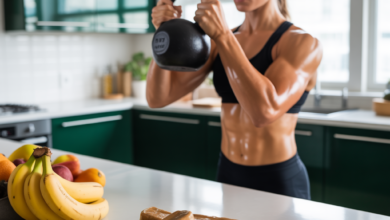
Have you ever finished a long day at work and wondered which workout will actually make you feel better tomorrow — not just tired today? If you’ve felt overwhelmed by fitness options, you’re not alone. Knowing which exercise types to improve health can make your time in the gym or your 20-minute at-home session far more effective and enjoyable.
Why choosing the right exercise matters
Not all movement is created equal. Different forms of exercise target cardiovascular fitness, muscular strength, flexibility, balance, or mental well-being. Balancing these elements reduces injury risk, speeds recovery, and helps you build lifelong habits. Below are practical, evidence-backed activity categories and how to use them in real life.
Top exercise types to improve health (and why they work)
1. Cardiovascular (aerobic) exercise
Cardio strengthens your heart and lungs, improves circulation, and helps manage weight. Think walking, jogging, cycling, swimming, or group classes. Aim for at least 150 minutes of moderate-intensity cardio per week, or 75 minutes of vigorous activity.
- Beginner variation: Brisk 20–30 minute walks, 4–5 times a week.
- Progression: Add intervals (walk 2 min, jog 1 min) or longer sessions on weekends.
- Real-world tip: Use the stairs twice a day to boost daily step count.
2. Strength training
Resistance training builds muscle, protects bone density, and raises resting metabolic rate. Use bodyweight moves, dumbbells, resistance bands, or machines.
- Beginner routine: Full-body workouts 2–3 times/week (squats, push-ups/knee push-ups, bent-over rows, glute bridges, planks).
- Variation: Split routines (upper/lower) for 3–4 sessions/week as you progress.
- Tip: Focus on controlled tempo — 2 seconds up, 3 seconds down.
3. Flexibility and mobility work
Stretching and mobility drills keep joints healthy, improve posture, and reduce pain from sitting. Include dynamic warm-ups before workouts and static stretching or yoga after.
- Quick practice: 10 minutes of joint circles, hip openers, and hamstring stretches post-workout.
- Variation: A 30-minute restorative yoga session once or twice weekly.
4. Balance and stability exercises
Crucial for older adults but valuable for everyone, balance work reduces fall risk and improves coordination. Try single-leg stands, heel-to-toe walks, or stability ball drills.
- Beginner: Hold single-leg stands for 20–30 seconds, 3 sets each side.
- Progression: Close your eyes or perform slow leg swings to challenge proprioception.
5. High-intensity interval training (HIIT)
HIIT alternates short bursts of intense effort with recovery and delivers big benefits in less time — improved VO2 max, fat loss, and metabolic health.
- Sample workout: 30 seconds sprint / 90 seconds walk — repeat 8–10 times (suitable for fitter individuals).
- Low-impact HIIT: Cycling sprints, rowing intervals, or bodyweight circuits.
How to build a balanced week: real-world examples
Below are three simple templates tailored to different lifestyles.
Busy professional (3–4 sessions/week)
- Monday: 30 min strength (full-body)
- Wednesday: 30 min HIIT or brisk run
- Friday: 30 min strength + 10 min mobility
- Weekend: 45–60 min moderate cardio (bike, hike, or swim)
Parent with limited time (short sessions)
- Daily: Two 15–20 minute sessions — strength in the morning (bodyweight circuit) + brisk walk in the evening
- One day: 30-minute yoga or mobility session
Older adult focused on longevity
- 3 days/week: Strength training with lighter weights, emphasis on lower body
- 2 days/week: Balance and mobility sessions
- 2–3 days/week: Low-impact cardio (walking, water aerobics)
Practical fitness tips to get real results
- Prioritize consistency over intensity. Short, regular sessions beat sporadic long workouts.
- Mix modalities — cardio, strength, and mobility — to reduce plateaus and injuries.
- Progress gradually: add reps, sets, or weight every 2–3 weeks.
- Plan recovery: sleep, hydration, and active recovery days speed adaptation.
- Track basics: 1–2 strength metrics (e.g., push-ups or loaded squat weight) and weekly cardio minutes.
Nutrition and lifestyle to support exercise
Movement and food go hand-in-hand. Aim for balanced meals with protein at each sitting to support muscle repair, include whole-food carbohydrates around workouts for fuel, and prioritize healthy fats and vegetables for recovery. For more meal ideas, check our nutrition guides.
Common barriers and how to overcome them
Short on time? Use 15–20 minute circuits or walk meetings. Feeling intimidated? Start with a beginner program or follow a guided plan. Injured or in pain? Focus on mobility and low-impact cardio and consult a pro if needed. You can also browse our sample workout routines for structured plans.
Frequently Asked Questions
1. Which exercise type is best for overall health?
There’s no single “best” exercise — the most effective approach combines cardiovascular, strength, flexibility, and balance work. A mix yields the broadest health benefits, from heart health to functional strength.
2. How often should I do each exercise type?
A practical minimum is: cardio 3–5 times/week (total 150 minutes moderate), strength 2–3 times/week, flexibility and mobility several times/week, and balance exercises 2–3 times/week for those at higher fall risk.
3. Can short workouts improve my health?
Yes. Even 10–20 minute focused sessions (especially strength or HIIT-style intervals) improve cardiovascular fitness, strength, and metabolic markers when done consistently.
Conclusion — take the next step with the right exercise types to improve health
Choosing the right mix of cardio, strength, flexibility, balance, and interval work will transform how you feel day to day. Start small, be consistent, and progress gradually — that’s the real secret to sustainable results. Ready to build a plan that fits your life? Explore our workout routines and wellness tips to get started today.
Call to action: Commit to one change this week — a 20-minute walk, a beginner bodyweight routine, or a short mobility session — and notice how your energy and mood shift. Share your choice in the comments or bookmark a routine to begin.
For a balanced exercise routine, consider incorporating various types of exercises such as cardiovascular workouts and strength training. You might also find different types of onions useful for enhancing your meals during post-workout recovery.
For those interested in HIIT workouts, you might also find our article on Hiit Swim Workout useful.