Exercise and Fitness Tips: Practical Strategies to Get Moving and Stay Consistent

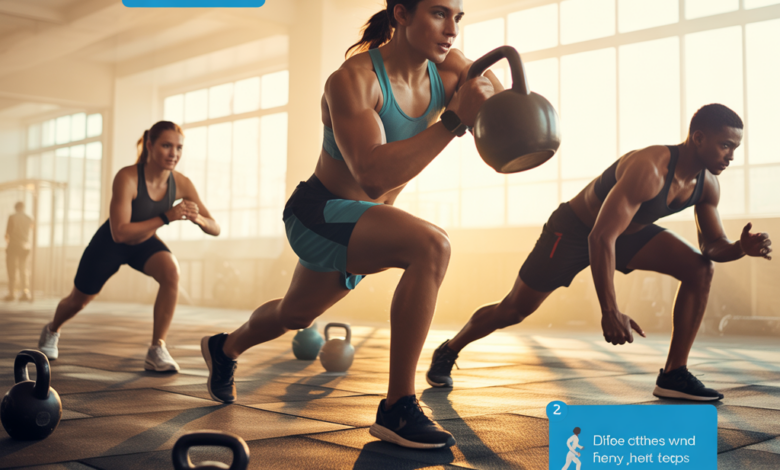
Ever stepped off work, looked at your gym bag, and thought, “Maybe tomorrow”? You’re not alone. Between long days, family commitments, and the endless scroll of distractions, finding a realistic path to health can feel impossible. This guide delivers simple, science-backed exercise and fitness tips you can apply today—whether you prefer home workouts for beginners, efficient gym sessions, or active laps around the neighborhood.
Why realistic fitness habits beat perfect plans
Most people fail not because they lack willpower but because their plan doesn’t fit real life. Sustainable results come from small, consistent actions: 20 minutes of focused movement three times a week is better than sporadic marathon workouts you dread. Think long-term habit-building—consistency beats intensity when you’re building a lasting routine.
Exercise and Fitness Tips: Practical Strategies for Real Life
Below are practical tips you can start using this week. They cover routine design, workout types, recovery, and lifestyle changes that support physical activity. Use these to create a balanced exercise program tailored to your goals—whether that’s weight loss, muscle gain, better mobility, or improved energy.
1. Create a simple weekly schedule
- Aim for 3–5 sessions per week: mix strength + cardio + mobility.
- Helpful template: 2 strength days, 2 cardio (or HIIT) sessions, 1 mobility/yoga day.
- Block workouts into your calendar like appointments to reduce decision fatigue.
2. Prioritize compound strength movements
Squats, deadlifts/hinge variations, push-ups/bench presses, rows, and lunges engage multiple muscle groups and deliver the best return on time invested. For beginners, bodyweight or kettlebell versions work great. Progress by adding reps, sets, or slow tempo before increasing weight.
3. Add efficient cardio that fits your life
If you’re short on time, try quick HIIT sessions (10–20 minutes), stair climbs, or brisk bike rides. Low-impact options—elliptical, swimming, or walking—are perfect if you have joint concerns. Cardio improves endurance, heart health, and recovery between strength sessions.
Effective Workouts: Strength, Cardio, and Flexibility
Strength training variations
- Beginner at-home: 3 rounds of 10 squats, 8 push-ups (inclined if needed), 10 glute bridges, 20s plank.
- Gym progression: 4 sets of 6–8 reps compound lifts (squat, bench, row) with accessory work.
- Time-efficient: Full-body circuit (30–40 minutes) mixing strength and cardio intervals.
Cardio & conditioning options
- HIIT: 20s on / 40s off for 10–15 minutes—burpees, sprint intervals, kettlebell swings.
- Steady state: 30–45 minutes of moderate cycling, jogging, or brisk walking for fat-burning and recovery.
- Low-impact: Swimming or elliptical sessions for joint-friendly conditioning.
Mobility and flexibility
Spend 5–10 minutes after workouts on mobility: hip openers, shoulder band pulls, and foam rolling. Better mobility reduces injury risk and improves movement quality for strength and daily life.
Nutrition, Recovery, and Lifestyle Habits That Boost Results
Exercise is only one piece of the puzzle. These complementary habits accelerate progress and keep you feeling good.
Eat to support your goals
- Protein: Aim for a source each meal to support muscle repair (chicken, legumes, dairy, tofu).
- Vegetables & whole grains: Fuel workouts and recovery with fiber and micronutrients.
- Smart calorie control: For fat loss, create a moderate calorie deficit; for muscle gain, add a modest surplus.
Prioritize sleep and recovery
7–9 hours of quality sleep improves recovery, hormone balance, and workout performance. Integrate active recovery days—light walks, stretching, or restorative yoga—to avoid burnout.
Simple behavior changes that stick
- Use micro-habits: 10 push-ups after brushing your teeth builds consistency.
- Accountability: Partner with a friend or join a group challenge to stay motivated.
- Track progress: Log workouts and periodically test a lift or a timed run to measure gains.
Real-world examples: How a busy parent or office worker can apply this
Case 1 — Busy parent: Two 30-minute strength circuits on weekdays plus a family walk on weekends. Use bodyweight moves and kettlebell swings for time efficiency.
Case 2 — Desk worker: Short mobility breaks every 60–90 minutes, a 20-minute midday HIIT session twice weekly, plus one longer hike or bike ride on the weekend.
Frequently Asked Questions
1. How often should I exercise to see results?
Aim for at least 3 sessions per week combining strength and cardio. Most people notice improvements in energy and strength within 4–6 weeks with consistent training and proper nutrition.
2. What are the best exercise and fitness tips for beginners at home?
Start with bodyweight compound movements (squats, push-ups, glute bridges), keep workouts under 30 minutes, and progress by increasing reps, sets, or workout frequency. Consistency matters more than perfect form at first—then refine technique as you go.
3. How do I stay motivated when progress stalls?
Switch your routine, set short-term micro-goals (add 1 rep or 5 extra minutes), celebrate non-scale wins (better sleep, more energy), and enlist an accountability partner. Periodize your training—planned deload weeks and new challenges keep motivation high.
Next steps—put a plan into action
Start small this week: pick three workouts from the options above and schedule them. If you want ready-made plans, explore our workout routines page for structured programs and visit our nutrition guides for meal templates that support your goals. For daily wellbeing tips, check our wellness tips hub.
Conclusion: Make these exercise and fitness tips your new routine
True fitness isn’t a sprint—it’s the sum of small, repeatable choices. Use these exercise and fitness tips to design a realistic routine, mix strength and cardio, prioritize recovery, and adopt nutrition habits that support your goals. Start with one change this week and build from there.
Call to action: Ready to get started? Commit to three workouts this week, log them, and come back to tweak your plan. Visit our workout routines and nutrition guides to find a program that fits your life—and share your first week wins in the comments below.