Have you ever finished a long day and thought, “I should really move more,” but the couch looked a lot more appealing than a workout? If so, you’re not alone. Between work, family, and social life, finding time for consistent physical activity can feel impossible. The good news: exercise doesn’t have to be a big, intimidating commitment to be effective — and small, smart changes can transform your energy, mood, and long-term health.
Why exercise matters — beyond weight loss
Most people associate exercise with losing weight, but the benefits go far deeper. Consistent physical activity improves cardiovascular health, boosts mood by increasing endorphins, enhances sleep quality, strengthens bones and muscles, and sharpens cognitive function. For anyone juggling a busy schedule, these benefits compound into better productivity, reduced stress, and a more resilient body.
Real-world example
Maria, a 38-year-old teacher, swapped long weekend workouts for three 20-minute sessions during the week. Within six weeks she noticed more energy, fewer headaches, and better sleep — all from consistent, short bouts of exercise.
Types of exercise: pick what fits your life
To build a routine you’ll stick with, choose activities you enjoy and can realistically schedule. Here are the main categories to mix and match for balanced fitness:
Cardio (aerobic) workouts
- Walking, jogging, cycling, swimming, or dance classes.
- Benefits: heart health, calorie burn, improved endurance.
- Try: 20–30 minutes of brisk walking 4–5 times a week, or interval runs twice a week.
Strength training
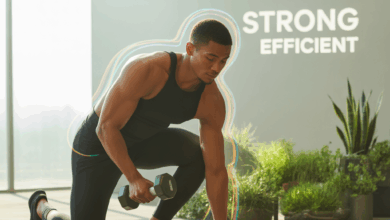
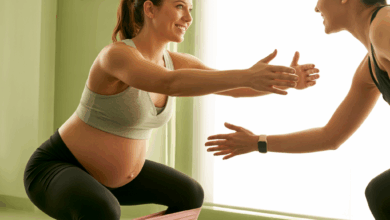
- Bodyweight moves (squats, lunges, push-ups), resistance bands, or weights.
- Benefits: increases metabolism, builds lean muscle, protects joints.
- Try: two non-consecutive full-body strength sessions per week.
Flexibility and mobility
- Yoga, stretching, and mobility drills to improve range of motion.
- Benefits: reduces injury risk, eases tightness from sitting, improves posture.
- Try: 10 minutes of daily mobility work or a weekly yoga class.
High-intensity interval training (HIIT)
Short bursts of intense effort followed by rest. HIIT is time-efficient and excellent for improving cardiovascular fitness and metabolic health. Example: 20 seconds sprint or burpees, 40 seconds rest — repeat 8–10 rounds.
How to build a sustainable exercise routine
Starting is often the hardest part. Use a simple framework to make exercise sustainable: pick a goal, time-block sessions, and track progress. A routine that fits into your life beats an ideal routine you never start.
Step-by-step plan for beginners
- Set a realistic goal: e.g., “Move 4 times per week for 20–30 minutes.”
- Schedule workouts like appointments. Choose specific days and times.
- Start small: focus on consistency over intensity for the first 4 weeks.
- Progress gradually: add reps, minutes, or weights by 5–10% each week.
- Mix activities to avoid boredom and overuse injuries.
Busy-person strategy
Short micro-workouts work wonders: two 10-minute strength circuits, a 15-minute walk at lunch, or a 12-minute HIIT session after work. These small wins add up and are easier to sustain than waiting for a full hour at the gym.
Practical fitness tips and workout variations
- Warm up with dynamic movements (arm circles, leg swings) to prime the body and reduce injury risk.
- Use compound exercises (squats, deadlifts, rows) to get the most efficiency for strength and calorie burn.
- Alternate intensity: pair hard days with active recovery like walking or mobility work.
- For home workouts, use household items (water bottles as weights, a chair for step-ups) to keep costs low.
- Track progress with simple metrics: number of workouts per week, minutes of movement, or strength improvements (e.g., push-ups max).
Sample beginner workout (no equipment, 20 minutes)
- Warm-up: 3 minutes brisk march or light jog in place
- Circuit (repeat 3x): 45 seconds bodyweight squats, 45 seconds push-ups (knees if needed), 45 seconds plank, 30 seconds rest
- Cool-down: 3 minutes of stretching focusing on hamstrings and chest
Progression ideas
Increase rounds, shorten rest, add weight, or swap a move for a harder variation (e.g., incline push-ups to full push-ups). Keep one measurable variable changing at a time.
Healthy lifestyle advice to support your exercise
Exercise is one pillar of wellness — nutrition, sleep, and stress management amplify results.
- Nutrition: prioritize protein to support muscle repair, whole foods for steady energy, and hydration before and after workouts. For meal planning help, check our nutrition guides.
- Sleep: aim for consistent 7–9 hours. Poor sleep undermines recovery and performance.
- Mental health: use movement as a tool for stress relief; even a 10-minute walk can clear your mind.
- Routine diversity: rotate between cardio, strength, and mobility across the week to avoid burnout and plateaus.
Motivation hacks that actually work
- Buddy up: exercise with a friend or join a class for accountability.
- Micro-commitments: commit to just 10 minutes. Most days you’ll keep going after you start.
- Celebrate milestones: track non-scale victories like more energy, greater range of motion, or heavier lifts.
- Log your workouts: seeing progress on paper is motivating and reveals patterns that help you improve.
Frequently Asked Questions
Do I need to exercise every day?
No. Quality and consistency matter more than daily frequency. Aim for at least 150 minutes of moderate aerobic activity and two strength sessions per week as a baseline. Rest days and active recovery are essential for progress.
What type of exercise is best for fat loss?
A combination of cardiovascular training and resistance training is most effective. Cardio helps burn calories while strength training preserves muscle and boosts resting metabolic rate. High-intensity intervals can accelerate results in less time.
How long before I see results?
Some benefits — like mood improvement and better sleep — can appear after a single workout. Visible changes in body composition typically take 6–12 weeks with consistent effort, while strength gains can be noticeable within 4–8 weeks for beginners.
Conclusion — make exercise a habit, not a punishment
Exercise doesn’t have to be complicated to be life-changing. Start with realistic goals, pick activities you enjoy, and build routines that fit your schedule. Small, consistent steps lead to big results: more energy, better sleep, and stronger resilience. Ready to create a plan that works for you? Browse our workout routines for ideas, and pair them with practical tips from our wellness tips to build a balanced, sustainable lifestyle.
Take one step today — a 10-minute walk, a short bodyweight circuit, or a few stretches — and keep going. Your future self will thank you.