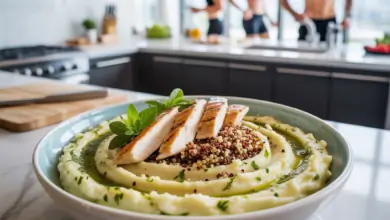
Ever stood in front of the fridge at 7 p.m., tired from work and thinking, “I want something quick, tasty, and good for my heart”—but unsure where to start? If lowering your cholesterol feels overwhelming, you’re not alone. The good news: eating well doesn’t have to be complicated. With a few smart swaps and easy low cholesterol meals on rotation, you can protect your heart without sacrificing flavor.
Why low cholesterol meals matter for everyday health
High cholesterol is a common contributor to heart disease. Choosing heart-healthy meals—meals lower in saturated fat and rich in fiber, healthy fats, and lean protein—can help reduce LDL (the “bad” cholesterol) and support long-term cardiovascular health. Simple dietary shifts, such as adding more plant-based dishes and lean seafood, make a big difference over time.
Tips to build easy low cholesterol meals that stick
Healthy eating becomes sustainable when it’s practical. Use these day-to-day strategies to create low cholesterol dinners, breakfasts, and snacks you actually want to eat.
- Swap saturated fats for healthy oils: Use olive or canola oil instead of butter or lard.
- Prioritize fiber: Whole grains, legumes, fruits, and vegetables help lower cholesterol naturally.
- Choose lean protein: Skinless chicken, turkey, fatty fish (like salmon), tofu, and legumes are great options.
- Limit processed meat and high-fat dairy: Replace with plant-based alternatives or low-fat options.
- Season smart: Herbs, citrus, and spices provide flavor without extra sodium or fat.
10 Easy Low Cholesterol Meals to Try This Week
Here are quick, cholesterol-lowering recipes and meal ideas that fit busy lives. Each is designed to be easy to prepare and family-friendly.
1. Oatmeal with berries and ground flax
Start your day with soluble fiber from oats and omega-3s from flaxseed. Top with berries for antioxidants and natural sweetness.
2. Mediterranean chickpea salad
Combine canned chickpeas, cucumber, tomatoes, red onion, olives (sparingly), lemon juice, and olive oil. High in fiber and plant protein.
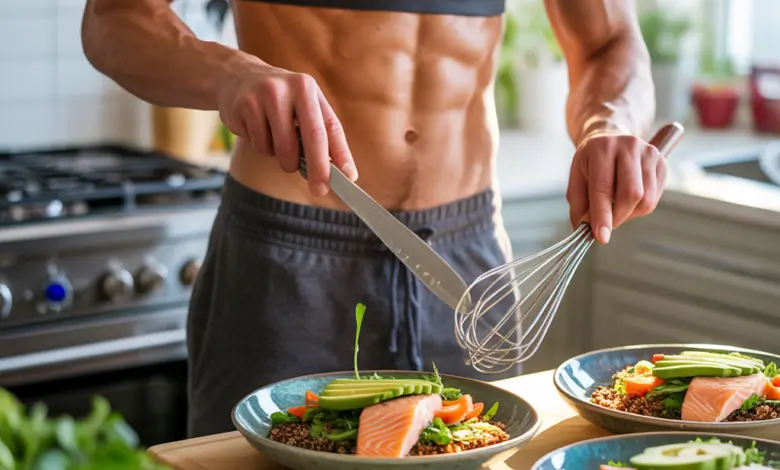
3. Grilled salmon with steamed broccoli and quinoa
Fatty fish like salmon offers heart-healthy omega-3s. Pair with whole grains and veggies for a balanced, cholesterol-lowering dinner.
4. Lentil and vegetable soup
A filling, low-saturated-fat option you can batch cook for the week. Add carrots, celery, tomatoes, and spinach for extra nutrients.
5. Turkey and avocado whole-wheat wrap
Use lean turkey breast, mashed avocado (healthy monounsaturated fat), lettuce, tomato, and whole-wheat tortilla for a quick lunch.
6. Stir-fry with tofu and mixed vegetables
Replace red meat with tofu or tempeh. Use low-sodium soy sauce, garlic, ginger, and a splash of sesame oil for flavor.
7. Black bean tacos with cabbage slaw
Skip fried fillings; roast black beans with cumin and chili powder, top with crunchy cabbage slaw and salsa on corn tortillas.
8. Baked cod with lemon-herb crust
White fish that’s light and satisfying—coat with whole-grain breadcrumbs mixed with parsley and lemon for texture.
9. Greek yogurt parfait with nuts and fruit
Choose low-fat or plain Greek yogurt, add a small handful of walnuts, and fresh fruit for a protein-rich snack that supports heart health.
10. Veggie-packed omelet with spinach and mushrooms
Use mostly egg whites with one whole egg to reduce cholesterol while keeping protein. Add spinach, mushrooms, and tomatoes for nutrients.
Quick meal prep steps for busy weeks
Meal prepping makes easy low cholesterol meals realistic. Try these simple habits:
- Batch-cook grains and legumes on Sunday (quinoa, brown rice, lentils).
- Chop vegetables and store them in clear containers for fast salads or stir-fries.
- Cook a large pot of soup or chili—freeze portions for quick dinners.
- Divide snacks into single-serve packs: almonds, carrot sticks, hummus portions.
Fitness tips and workout variations to complement your diet
Combining healthy meals with regular exercise enhances cholesterol control and overall wellness. Here are realistic strategies:
- Cardio basics: Aim for 150 minutes per week of moderate-intensity cardio (brisk walking, cycling, swimming) to help raise HDL and lower LDL.
- Resistance training: Two sessions per week (bodyweight squats, lunges, push-ups, dumbbell rows) improve metabolism and body composition.
- HIIT option: 20 minutes of high-intensity interval training (30 seconds hard, 60 seconds easy) twice a week can be effective when time is tight.
- Post-meal walks: A 10–15 minute walk after meals helps blood sugar and digestion—easy to fit into daily life.
- Flexibility and stress reduction: Yoga or stretching routines help lower stress hormones that can negatively affect heart health.
For complete plans, see our workout routines and explore nutrition guides for meal plans tailored to lowering cholesterol.
Real-world examples: Making it work for different lifestyles
Busy parent: Batch-cook lentil soup and freeze in kid-sized portions. Use rotisserie chicken (skin removed) in salads for quick dinners.
Office worker: Keep single-serving nuts and Greek yogurt at your desk. Bring a mason jar salad with chickpeas and quinoa for lunch.
Student on a budget: Beans, oats, frozen veggies, and eggs are affordable staples—stretch into multiple meals with seasonings.
Frequently Asked Questions
1. Are all fats bad for cholesterol?
No. Healthy fats—monounsaturated and polyunsaturated fats (found in olive oil, nuts, seeds, and fatty fish)—can improve your cholesterol profile. Limit saturated fats (butter, fatty cuts of meat) and avoid trans fats.
2. Can exercise alone lower cholesterol?
Exercise helps raise HDL (good cholesterol) and can modestly lower LDL when combined with a heart-healthy diet. The greatest benefit comes from combining regular physical activity with dietary changes and other lifestyle adjustments.
3. How quickly can I see improvements in cholesterol after changing my diet?
Some improvements may be seen within a few weeks to months, especially with consistent dietary changes, weight loss, and exercise. For measurable changes, many clinicians recheck lipid panels after about 3 months of sustained lifestyle modifications.
Conclusion: Start small—choose one easy low cholesterol meal this week
Switching to easy low cholesterol meals doesn’t require an overhaul—just one swap or new recipe at a time. Try one of the recipes above, pair it with a brisk walk, and notice how small, consistent habits add up. Ready to take the next step? Browse our wellness tips for more lifestyle ideas, or check the nutrition guides to build a weekly menu that supports your heart.
Want practical meal ideas delivered to your inbox or a simple 7-day low-cholesterol plan? Try one change this week—cook that lentil soup or grill the salmon—and see how easy heart-healthy eating can be.