Dumbbell Spotter Hooks: The Home Gym Safety Upgrade You Need

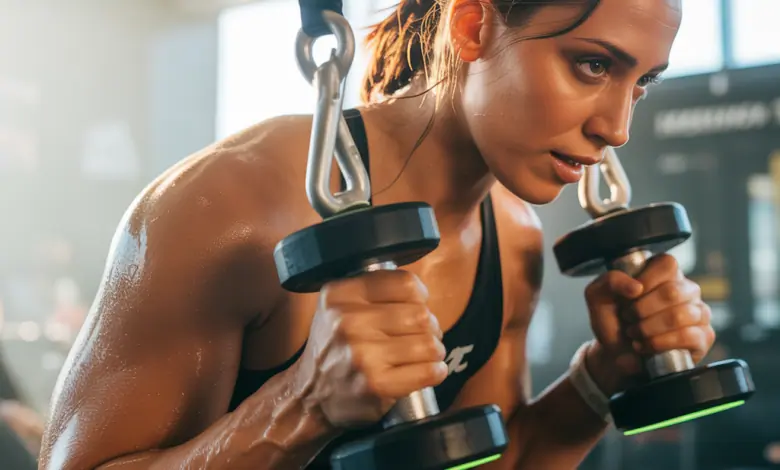
Ever finished a set of heavy dumbbell presses and felt that split-second worry about racking them safely? If you’ve ever hesitated to push for that extra rep because you didn’t have a reliable way to bail out, you’re not alone. Dumbbell spotter hooks remove that anxiety and let you train harder, smarter, and safer—especially in a home gym where a human spotter isn’t always available.
Why dumbbell spotter hooks matter
Spotter hooks for dumbbells are simple, robust accessories that attach to power racks or squat stands to create a secure resting point for dumbbells. They let you safely re-rack or bail out during incline, flat, and decline dumbbell presses, as well as other unilateral or overhead moves. For anyone committed to progress—whether you’re a beginner, busy parent, or seasoned lifter—these hooks make heavier, more confident lifting possible.
How dumbbell spotter hooks work
Most dumbbell spotter hooks slide into standard 1-inch or 1.25-inch vertical uprights on a rack. They extend outward, creating a horizontal cradle that supports the dumbbell handle or head. When you reach muscle failure or lose control of a rep, you can tilt the dumbbell back into the hook instead of dropping it. That simple function reduces risk of injury, protects flooring and equipment, and preserves lifting momentum.
Common configurations
- Pair of adjustable hooks for bench press and incline presses
- Single-side hooks for unilateral work (one-arm dumbbell snatches, overhead presses)
- Swivel or pivot-style hooks that allow easier placement of dumbbells
Benefits: Why add spotter hooks to your setup?
- Safety: Minimize risk when training to failure without a human spotter.
- Progression: Confidently increase load for strength and hypertrophy.
- Versatility: Use for presses, rows, and even eccentric-focused work.
- Floor protection: Prevent dropped dumbbells from damaging flooring or equipment.
- Peace of mind: Train solo with fewer mental barriers and better focus.
How to use dumbbell spotter hooks safely (step-by-step)
Setup and placement
Position the hooks at chest level for flat bench presses or slightly higher for incline. Make sure both hooks are at the same height and fully seated into the rack upright. Test with a lighter dumbbell before loading heavy.
Performing a safe set
- Lie back and lift the dumbbells into starting position with controlled motion.
- Keep scapular retraction and maintain core bracing throughout the set.
- When you’re unable to complete another clean rep, gently rotate the dumbbell so its head or handle rests on the hook.
- Slide the weight off the chest and sit up before removing the dumbbell from the hook.
Workout variations using spotter hooks
Spotter hooks expand the range of exercises you can do safely at home. Try these variations to mix strength, hypertrophy, and functional work into your routine:
Push-focused sessions
- Flat dumbbell press — sets of 6–8 for strength, 8–12 for hypertrophy
- Incline dumbbell press — use hooks to bail out on high-rep dropsets
- Single-arm dumbbell bench press — hook supports the non-working side for controlled negatives
Pull and accessory work
- Dumbbell rows — rest the working arm on the hook for strict chest-supported rows
- Overhead single-arm press — hook can hold the non-working dumbbell to balance the setup
- Eccentric-only negatives — lower heavy dumbbells to the hook slowly for time-under-tension
Practical training tips and healthy lifestyle advice
Integrate spotter hooks into a balanced training plan by focusing on progression, recovery, and consistency.
- Progressive overload: Increase weight or reps gradually. Use hooks to safely attempt heavier sets periodically.
- Warm-up: Always perform a dynamic warm-up and a few light sets before heavy presses.
- Recovery: Prioritize sleep, protein-rich meals, and mobility work to support strength gains.
- Technique over ego: Use the hooks to practice strict form rather than dropping weight recklessly.
- Alternative safety: When possible, combine hooks with a human spotter for maximal safety on near-max attempts.
Buying and maintenance guide
When shopping for spotter hooks, look for durable steel construction, powder-coated finishes, and secure locking mechanisms. Measure your rack’s upright dimensions to ensure compatibility. Keep hooks clean and check welds and attachment points regularly—rust or loosened fittings can compromise safety.
Real-world examples
Sarah, a recreational lifter with a small garage gym, used dumbbell spotter hooks to add 10 pounds to her incline press over three months. The hooks let her test heavier loads safely without a second person. Mike, training for a local strongman event, used hooks for heavy eccentric work to improve control and reduce shoulder pain. Both saw progress because the hooks removed the mental barrier to lifting heavier.
Frequently Asked Questions
1. Are dumbbell spotter hooks compatible with all racks?
Most hooks are designed for standard 1″ or 1.25″ uprights. Check the product specs and your rack measurements before buying. Some manufacturers offer adapters for nonstandard dimensions.
2. Can I use spotter hooks for barbell lifts?
Spotter hooks are primarily designed for dumbbells. For barbell lifts, use safety arms or spotter pins intended to handle the barbell’s shape and load distribution.
3. Are spotter hooks safe for beginners?
Yes—when used correctly, they make solo training safer for beginners. Learn proper lifting mechanics first, start light, and use the hooks as a safety net rather than a crutch.
Conclusion: Add dumbbell spotter hooks to take your training further
Dumbbell spotter hooks give you the confidence to push harder, protect your equipment, and train safely at home. Whether you’re chasing strength goals, building muscle, or simply trying to overcome that nagging fear of getting stuck under a heavy weight, these simple attachments are a high-value upgrade. Ready to remove hesitation from your workouts? Check out our workout routines and pair them with smart equipment choices—then consider adding spotter hooks to your setup. If you found this helpful, try them in your next session and share your progress or questions below—or explore our workout routines, nutrition guides, and wellness tips for more support.
Take action: Add spotter hooks to your home gym checklist and plan a safe heavy-session this week.