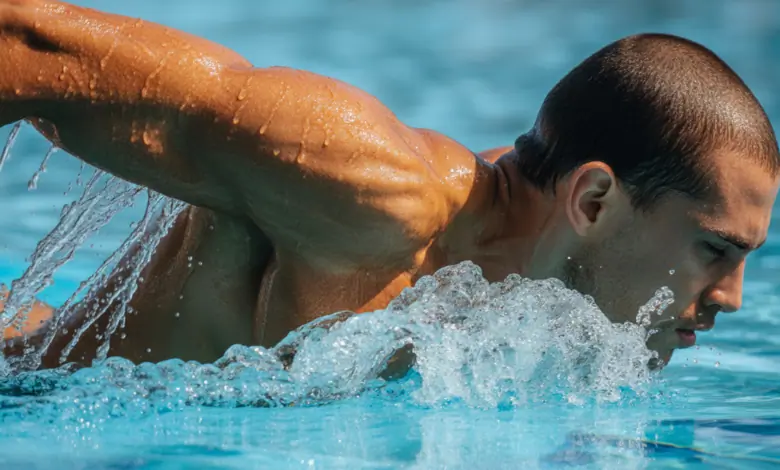
Have you ever climbed out of the pool wondering whether you just showered away your hard work—did you even sweat? Picture this: you crushed a 45-minute lap set, your heart was racing, your lungs burning—and your skin is totally dry. Do you sweat when you swim, or is that just a mirage of aquatic exercise?
Do you sweat when you swim?
Short answer: yes — but it’s complicated. Sweating is your body’s natural way to cool itself when internal temperature rises. When you swim, your muscles generate heat, which can trigger sweating. However, because you’re submerged in water that conducts heat away from your skin, visible perspiration is often reduced or less noticeable. In other words, you can be sweating even if you don’t see droplets running down your face.
How sweating during swimming works (the science)
Your body balances heat production and heat loss. Key factors that determine whether you noticeably sweat in the pool include:
- Water temperature: Cold water pulls heat away from your body, reducing surface sweat. Warm water or heated pools may make you sweat more.
- Exercise intensity: High-intensity intervals, sprinting, or long distance sets produce more metabolic heat and increase sweating.
- Environment and air temperature: Hot, humid pool decks reduce evaporative cooling, making sweat less effective and sometimes more noticeable out of the water.
- Wetsuits and gear: Triathletes wearing wetsuits trap heat and can sweat profusely underwater.
- Individual differences: Fitness level, acclimatization, and your natural sweat rate matter.
Why you might not notice sweat while swimming
There are several reasons you don’t see typical sweat droplets in the pool:
- Water dissolves and washes away sweat immediately, so it doesn’t form visible beads.
- Convective cooling: Moving water carries heat away from your skin more efficiently than air, reducing the need for heavy surface sweating.
- Evaporation isn’t happening: Sweat cools you best when it evaporates. Underwater, evaporation is minimal, so sweat may not serve the usual cooling function and is less obvious.
Real-world examples: athletes vs. recreational swimmers
Consider a triathlete in an ocean swim with a wetsuit versus someone doing water aerobics. The triathlete may sweat a lot because the wetsuit traps heat, combining metabolic heat and reduced convective loss. A casual swimmer doing low-intensity laps in a cool pool might barely produce any sweat visible on the skin, even though their body still generates heat.
Case study: Lap swimmer vs. Sprint swimmer
- Lap swimmer: Steady-state cardio, moderate intensity — less noticeable sweating, but a significant calorie burn and cardiovascular benefit.
- Sprint swimmer: Short, high-intensity sets — more metabolic heat, potential for hidden sweating, and higher post-exercise oxygen consumption (afterburn).
Practical fitness tips: maximizing your swim workouts
Whether you’re sweating visibly or not, swimming is an excellent full-body workout. Use these tips to get the most from your pool time.
- Mix intensities: Alternate easy laps with sprint intervals (e.g., 8 x 25m sprints with 30 seconds rest) to boost calorie burn and cardiovascular gains.
- Use resistance tools: Add paddles, fins, or a pull buoy to change the stimulus and recruit different muscle groups.
- Try dry-land cross-training: Complement swims with strength sessions or HIIT on land to improve power and prevent imbalances.
- Hydrate: Even if you don’t feel sweaty, you lose fluids. Drink water or a light electrolyte drink before and after sessions.
- Warm up and cool down: Spend 5–10 minutes on each to prevent injury and help recovery.
Workout variations to try
Here are three swim workouts to suit different goals:
- Endurance swim (45–60 minutes): 400m warm-up, 4 x 200m at moderate pace with 30s rest, drills and kick sets, 200m cool-down.
- Interval HIIT swim (30 minutes): 200m warm-up, 10 x 50m all-out with 60s rest, 200m easy cool-down.
- Technique & recovery session (30–40 minutes): Focus on drills (catch, body roll), use fins for form work, easy aerobic swims, finish with 5 minutes of stretching on deck.
Nutrition and recovery: support your swim sessions
Fueling and recovery matter, whether you visibly sweat or not:
- Pre-swim: a light snack with carbs and protein (banana + yogurt) 45–60 minutes before helps performance.
- Post-swim: aim for a 3:1 carb-to-protein ratio within 60 minutes to replenish glycogen and support repair.
- Hydration: monitor urine color and drink enough fluids throughout the day. Consider electrolytes after long/ intense swims.
- Sleep and mobility work: prioritize 7–9 hours of sleep and add foam rolling or yoga to aid recovery.
For structured training plans, check out our workout routines and for fueling guidance see our nutrition guides.
Health benefits beyond sweat
Swimming offers low-impact cardiovascular conditioning, builds muscular endurance, and can improve flexibility and joint health. It’s ideal for injury rehabilitation, cross-training for runners, and lifelong fitness. Even if you don’t see sweat, you’re getting an effective workout that burns calories and improves metabolic health.
When to be cautious
- If you feel lightheaded, excessively fatigued, or nauseous, stop and rest—these can be signs of dehydration or overheating despite being in water.
- Hot tubs and very warm pools increase the risk of overheating. Limit time in hot environments and hydrate adequately.
- Wetsuits and rubber caps can trap heat. Monitor how you feel during long open-water swims and adjust pace or gear.
Frequently Asked Questions
1. Does swimming make you sweat more than running?
Not necessarily. High-intensity swimming sprints and interval training can produce similar or even greater internal heat generation than running. However, because water cools the body, you may not see as much visible sweat during swimming compared with running.
2. Can you still overheat while swimming?
Yes. Overheating can occur in warm pools, hot tubs, or when wearing insulating gear like wetsuits. Pay attention to symptoms like dizziness, headache, or nausea and get out of the water and cool down if needed.
3. Should I drink water if I don’t feel sweaty after a swim?
Yes. You lose fluids through respiration and hidden sweating. Drink water before and after swimming, and consider electrolytes for longer sessions or if you’re training hard.
Conclusion: So, do you sweat when you swim?
Yes — you can and often do sweat when you swim, even if you don’t see it. Water changes how sweat appears and how effectively it cools you, but the metabolic heat produced by exercise still triggers your body’s cooling systems. Use this knowledge to structure workouts, stay hydrated, and pick the right gear and pool conditions for your goals.
If you want swim-specific training plans or nutrition tips to match your pool sessions, explore our workout routines and wellness tips. Ready to optimize your next swim? Start with one interval session this week and track how you feel—then adjust hydration and rest accordingly.
What will you try in your next swim workout? Lace up (or slip on your goggles) and take action today.