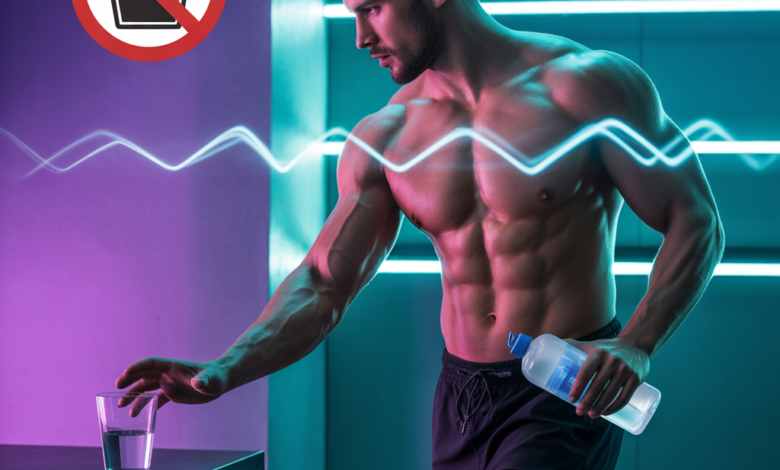
Have you ever woken up groggy at 3 a.m., reached out in the dark, and taken a long sip from the glass on your nightstand? It feels comforting in the moment, but what if that simple act is exposing you to dust, bacteria, and stale water that undermines your health goals? In this post I’ll explain why you should think twice before taking that drink, and share practical fitness, hydration, and lifestyle tips to keep you healthy and energized.
Do Not Drink Nightstand Water: What’s Really in That Glass?
Leaving a cup of water on your bedside table overnight may seem harmless, but overnight water sitting in an open glass can pick up particles and microorganisms. Dust, pet dander, airborne spores, and even saliva droplets can settle into the surface of stagnant water. Warm room temperatures encourage bacterial growth and biofilm formation in cups and reusable bottles that aren’t cleaned regularly. For people with allergies, compromised immune systems, or high fitness demands, this can be more than just a minor inconvenience.
Common contaminants in bedside water
- Dust and airborne particles
- Household bacteria and mold spores
- Insects and insect eggs in open containers
- Microbial biofilms from infrequently cleaned cups
- Residues from flavored drinks or toothpaste if the glass was reused
Why Nightstand Water Matters for Fitness and Recovery
Hydration is a cornerstone of recovery after a workout. But the quality of the water you drink at night affects sleep, digestion, and immune function. Drinking contaminated or stale water can upset your stomach, interrupt sleep, and add low-grade inflammation that slows recovery. If you’re training regularly, the last thing you want is avoidable microbial exposure or gastrointestinal discomfort that limits performance the next day.
Hydration tips that support performance
- Drink 300–500 ml of clean water in the hour before bedtime if you’re thirsty, but avoid large volumes that disturb sleep.
- Prefer sealed, insulated bottles for bedside hydration — they keep water clean and at a stable temperature.
- After evening workouts, prioritize electrolyte-balanced fluids (low-sugar) to restore sodium and potassium.
- Schedule your last full drink 30–60 minutes before bed to reduce nighttime awakenings.
Practical Alternatives to Nightstand Glasses
If you want a reliable, hygienic way to hydrate at night without risking stale bedside water, try these simple swaps.
- Use a sealed bottle: Keep a capped, BPA-free insulated bottle on your nightstand. It prevents dust and insects from getting in and maintains temperature.
- Small measured bottle: Refill a small bottle before bed so you don’t drink excessive amounts during the night.
- Filtered or chilled water: Use filtered water and chill it in the fridge; colder water slows bacterial activity and tastes fresher.
- Rinse and replace: Empty and rinse your bedside cup every morning; wash it with soap at least daily.
Healthy Nighttime Habits for Better Recovery
Nighttime hygiene and routine directly impact your fitness progress. Here are lifestyle practices that pair well with good bedside water habits:
- Sleep routine: Maintain consistent bedtimes and wake times to optimize hormonal recovery.
- Clean your sleeping area: Dust and vacuum regularly to reduce allergens that could contaminate exposed water.
- Post-workout cooldown: Spend 5–10 minutes stretching or doing a light mobility routine after evening sessions to improve circulation and digestion before bed.
- Nighttime nutrition: Opt for a light, protein-forward snack if you train late — avoid sugary drinks that you might leave in a glass overnight.
Quick bedtime workouts and recovery moves
Short sessions can improve sleep quality and reduce the urge to reach for sugary nighttime drinks:
- 10-minute mobility flow: cat-cow, thoracic rotations, hip openers.
- 15-minute bodyweight circuit: air squats, push-ups, glute bridges, plank (2–3 rounds).
- Breathwork for relaxation: 4-7-8 breathing or box breathing for 2–3 minutes.
Real-World Examples: Small Changes, Big Gains
Meet Emma, a marathon runner who used to leave a glass on her nightstand. She experienced bloating and occasional stomach distress that disrupted sleep. After switching to a sealed insulated bottle and rinsing it daily, her nighttime awakenings decreased and morning runs felt easier. Similarly, Mark, a busy trainer, replaced his open cup with a filtered water bottle and timed his hydration post-evening workout. He reported fewer mid-night bathroom trips and steadier morning energy.
These are simple, manageable changes that protect your health and support consistent training.
Do Not Drink Nightstand Water — Small Habits, Big Health Returns
Bottom line: do not drink nightstand water from an open, unclean cup. Swap it for a sealed, cleaned bottle, establish a bedtime hydration routine, and prioritize sleep-friendly hydration strategies. These small shifts reduce exposure to contaminants, improve sleep quality, and support better recovery after workouts.
Frequently Asked Questions
Is it dangerous to drink nightstand water occasionally?
Occasional sips probably won’t cause major harm for most healthy adults, but they can introduce dust, bacteria, or spores. For people with allergies, weakened immune systems, or frequent training schedules, even small exposures can lead to discomfort or mild illness. It’s safer to avoid it.
How often should I change or clean my bedside water container?
Rinse your bedside cup every morning and wash it with soap daily. If you use a reusable bottle, wash it daily and deep-clean the cap or straw several times per week to prevent biofilm buildup.
Can I leave water overnight in a sealed bottle?
Yes. Sealed bottles keep contaminants out and are a much better option than open glasses. Choose insulated, BPA-free bottles and refill them with filtered water before bed for freshness.
Conclusion — Take Action Tonight
Do not drink nightstand water from open glasses — it’s an easy habit to fix and a meaningful step toward better sleep and stronger recovery. Tonight, swap your uncovered cup for a sealed bottle, set a hydration schedule that complements your workouts, and commit to daily cleaning. Small habits compound: cleaner water, better sleep, improved training results.
Ready to optimize your routine? Check out our workout routines for quick post-evening sessions, browse our nutrition guides for smart hydration tips, and explore more wellness tips to sleep and perform better.
Want practical help tailoring hydration to your workouts? Leave a comment or sign up for the weekly newsletter to get personalized tips and routines delivered to your inbox.