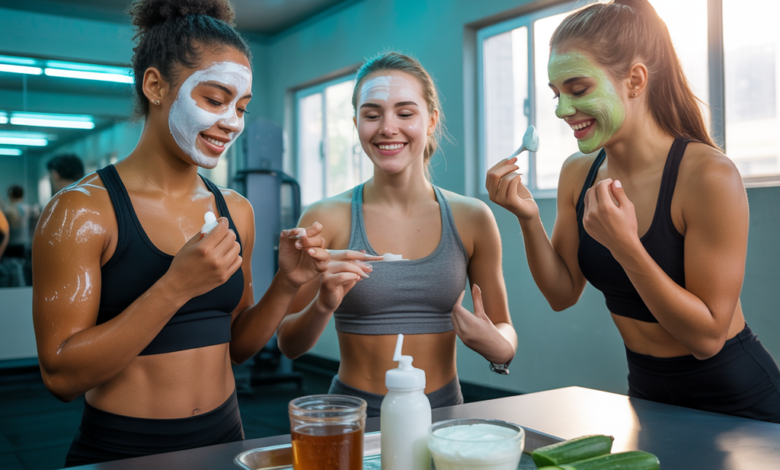
Ever finished a sweaty workout and wondered if that quick shower and splash of water were enough for your skin? Or scrolled past glossy skincare ads and thought, “I can make that at home”? If you’re juggling gym sessions, stress, and different skin needs, these DIY face masks for all skin types can help you get a glowing complexion without breaking the bank.
Why homemade masks work — and why they fit your active lifestyle
Natural, homemade facial masks let you control ingredients, avoid harsh chemicals, and fine-tune treatments for oily, dry, sensitive, or combination skin. For busy fitness enthusiasts, a 10–15 minute mask is a perfect post-workout reset: it soothes inflammation, replenishes moisture after sweating, and supports recovery just like a cool-down routine supports muscles.
How to choose ingredients based on skin type
- Oily or acne-prone: Look for clay, tea tree, or honey to absorb oil and soothe blemishes.
- Dry or sensitive: Use calming, hydrating ingredients like oatmeal, avocado, and yogurt.
- Combination: Treat the T-zone with clays and hydrate cheeks with oils or aloe.
- Mature or dull: Antioxidant-packed options like banana, honey, and yogurt can brighten and support collagen.
DIY face masks for all skin types: simple recipes you can make today
1. Oily & acne-prone — Clarifying clay mask
Ingredients: 1 tbsp bentonite or kaolin clay, 1 tsp raw honey, water or green tea to mix.
Directions: Mix to a paste, apply to clean skin, leave 10 minutes, rinse with lukewarm water. Use 1–2 times a week. Great after sweaty cardio sessions to clear pores.
2. Dry & sensitive — Soothing oatmeal mask
Ingredients: 2 tbsp finely ground oats, 1 tbsp plain yogurt or milk, 1 tsp honey (optional).
Directions: Mix, apply for 10–15 minutes, rinse gently. Oats reduce redness and lock in moisture — ideal after long outdoor runs in cold weather.
3. Combination skin — Balancing two-step mask
Ingredients: For T-zone: 1 tbsp clay + water. For cheeks: 1 tbsp aloe gel + 1 tsp jojoba oil.
Directions: Apply clay to oily areas and aloe mixture to dry areas, leave 8–12 minutes, then rinse. This targeted approach mirrors interval training — treat each zone according to need.
4. Brightening for normal or dull skin — Banana & yogurt mask
Ingredients: 1/2 ripe banana mashed, 1 tbsp plain yogurt, 1 tsp honey.
Directions: Apply for 10 minutes, then rinse. Rich in vitamins, it helps restore radiance and is a gentle post-weights recovery treat.
5. Anti-aging boost — Avocado & egg white
Ingredients: 1/4 ripe avocado mashed, 1 egg white (or 1 tbsp collagen powder mixed with aloe for egg-free).
Directions: Smooth onto skin, leave 10–12 minutes, rinse. Avocado supplies healthy fats; egg white can temporarily tighten. Use weekly as part of a mindful self-care routine.
How to incorporate masks into your fitness and wellness routine
Think of skincare like a training plan. Schedule masks after intense sweat sessions, not immediately before. Post-workout is perfect—cleansing first, then a mask to target concerns while pores are open. Pair with hydration and a balanced meal to support skin from the inside out.
Practical fitness tips that complement skincare
- Cool down properly: A 5–10 minute cooldown reduces excessive inflammation and helps prevent stress-related breakouts.
- Shower within 30 minutes after workouts to remove sweat and bacteria—then use a mask 1–2 times a week based on skin needs.
- Wear breathable fabrics during exercise to reduce friction (and maskne) from tight gear.
- Include strength training and cardio variations weekly to balance hormones—this helps prevent oily or flaky skin caused by hormonal shifts.
Healthy lifestyle advice for glowing skin
Skin health is a full-system game. Hydration, sleep, stress management, and nutrition are the unseen reps that amplify topical treatments:
- Hydrate: Aim for consistent water intake throughout the day, not just after workouts.
- Nutrition: Eat antioxidant-rich foods—berries, leafy greens, omega-3s—to support skin repair.
- Sleep: 7–9 hours of quality sleep helps collagen repair and reduces inflammatory markers.
- Stress reduction: Practices like stretching, yoga, or breathwork post-workout can reduce cortisol-driven breakouts.
Real-world examples: small changes, big skin wins
Sarah, a weekend runner with combination skin, swapped daily chemical masks for the two-step combo above and noticed fewer clogged pores in two weeks. Mark, a weightlifter with dry skin, added the oatmeal mask to his Sunday recovery routine and combined it with a fish-oil supplement and better sleep—his skin hydrate improved visibly after a month. These examples show how topical and lifestyle tweaks compound over time.
Safety tips & frequency
- Always patch test: Apply a small amount to the inner arm 24 hours before full-face use.
- Avoid over-exfoliating: Limit clay or acid-based masks to 1–2 times weekly.
- Use clean tools: Bowls and spatulas should be washed before mixing to avoid contamination.
- Know allergies: Skip ingredients you react to (e.g., nut oils, bee products).
DIY Face Masks for All Skin Types: Common Questions
Q1: How often should I use DIY face masks?
A: Most people do well with 1–3 times per week depending on skin type. Oily/acne-prone can use clarifying masks up to twice weekly; dry or sensitive skin benefits from restorative masks 1–2 times a week. Adjust based on how your skin responds.
Q2: Are natural ingredients always safe?
A: Natural doesn’t always mean non-irritating. Essential oils, citrus, and nut oils can cause reactions. Always patch test and choose gentle ingredients like oats, yogurt, or aloe for sensitive skin.
Q3: Can I use these masks before a workout?
A: It’s better to mask after workouts. Exercise opens pores and increases sweat — applying a mask beforehand may trap sweat and bacteria. Cleanse first, then apply the mask once sweating has stopped.
Conclusion: Try these DIY face masks for all skin types and pair them with healthy habits
Homemade masks offer versatile, cost-effective skincare that complements an active lifestyle. Whether you’re fighting oil after HIIT or restoring moisture after long runs, these DIY face masks for all skin types give you targeted solutions you can make from your kitchen. Start with one recipe, patch test, and combine it with hydration, balanced nutrition, and a solid cooldown routine for the best results.
Ready to upgrade your post-workout routine? Try the oatmeal mask this week and note how your skin feels. For more ways to integrate skin-friendly habits into your fitness life, check out our workout routines, explore meal ideas in our nutrition guides, and browse calming practices in our wellness tips section.
Call to action: Share your favorite DIY mask or a before-and-after story in the comments below — and commit to one skin-supporting habit this week.