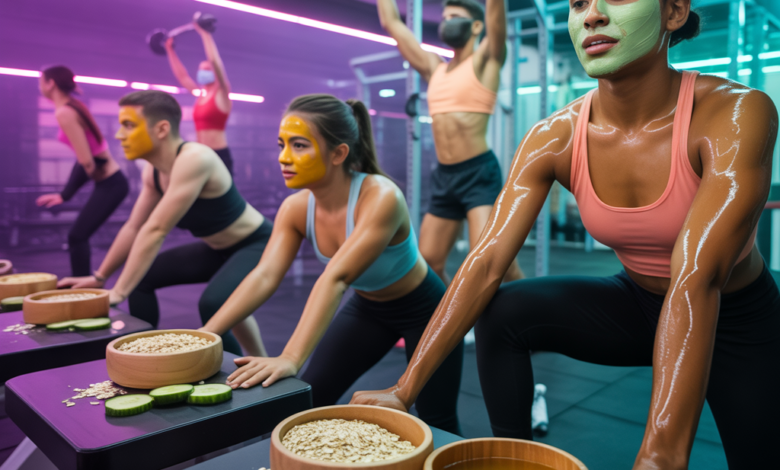
Ever finished a sweaty gym session and wondered why your face breaks out while your friend glows? Or stared at an expensive skincare shelf and thought, “There has to be a simpler, healthier way”? If you’re balancing workouts, work, and a real-life schedule, homemade skincare can be a game-changer. In this post you’ll learn easy, effective diy face masks for all skin types that fit into a busy lifestyle and support your fitness goals.
Why Homemade Masks Work — and Why They Fit Your Workout Lifestyle
Natural, at-home face treatments use simple ingredients—yogurt, oats, honey, clay, avocado—that are often gentler and cheaper than boutique products. They’re especially useful for people who sweat during exercise: post-workout cleansing plus the right mask can prevent breakouts, soothe irritation, and restore hydration. These masks are natural face mask recipes suited for oily skin, dry skin, sensitive skin, combination skin, and acne-prone skin.
How to Choose the Right Mask for Your Skin Type
Match ingredients to needs:
- Oily/acne-prone: absorbent clays and antibacterial honey or tea tree (diluted).
- Dry/dehydrated: hydrating ingredients like avocado, banana, yogurt, and olive oil.
- Sensitive/red skin: soothing oats, aloe vera, and plain yogurt.
- Combination: multi-masking (apply different masks to T-zone vs cheeks).
Frequency tip: clay masks 1–2x/week, hydrating masks 2–3x/week. Always patch-test new recipes and avoid citrus directly on broken or inflamed skin.
DIY Face Masks for All Skin Types
1. Oily & Acne-Prone Mask — Clarifying Clay + Honey
Ingredients: 1 tbsp bentonite or kaolin clay, 1 tsp raw honey, 1 tsp green tea (cooled).
Directions: Mix to a smooth paste. Apply to T-zone, leave 8–12 minutes, rinse with lukewarm water. Clay draws out excess oil while honey soothes and fights bacteria.
Variation: Add a drop of diluted tea tree oil only if your skin tolerates it.
2. Dry Skin Mask — Avocado + Yogurt + Olive Oil
Ingredients: 1/2 ripe avocado, 1 tbsp plain yogurt, 1 tsp olive oil.
Directions: Mash and mix. Apply for 10–15 minutes, massage, then rinse. This deeply hydrates and replenishes skin barrier lipids—perfect after long runs or indoor training when humidity is low.
3. Sensitive & Redness-Prone Mask — Oats + Aloe + Honey
Ingredients: 2 tbsp ground oats, 1 tbsp aloe vera gel, 1 tsp raw honey.
Directions: Combine into a soothing paste. Leave on for 8–10 minutes. Oats calm inflammation; aloe cools and aids recovery after sun exposure or harsh workouts.
4. Combination Skin — Multi-Mask Strategy
Use clay on the oily T-zone and a hydrating yogurt mask on the cheeks. Alternate weekly for balance. Multi-masking is a practical way to treat different areas without over-drying sensitive spots.
5. Anti-Aging Treat — Banana + Honey + Coconut Oil
Ingredients: 1/2 ripe banana, 1 tsp honey, 1 tsp coconut oil (optional).
Directions: Mash, apply 10–15 minutes. Banana provides vitamins and moisture; honey supports skin repair. Use 1–2x week.
Application, Storage, and Safety Tips
- Always cleanse before applying a mask—especially after workouts to remove sweat and bacteria.
- Patch test on the inner forearm when trying a new ingredient.
- Use clean tools and bowls; homemade masks have no preservatives and should be used within 48 hours refrigerated.
- Rinse with lukewarm water and finish with a moisturizer or lightweight serum suitable for your skin type.
Skincare + Fitness: Pre- and Post-Workout Routine
Real-world example: Sara, a weekend triathlete, learned the hard way that skipping a post-run face wash led to chest and facial breakouts. Her routine now: quick gentle cleanse immediately after cardio, cool-down stretches, then a clay mask for oily days and a hydrating mask for long cold-weather rides. This simple habit reduced flare-ups and kept her skin comfortable.
Practical fitness tips that help skin:
- Bring a small towel and micellar water or gentle cleanser to the gym for quick post-sweat wipes.
- Wear breathable fabrics and change out of damp clothes quickly to limit skin irritation.
- Hydrate before and after workouts—skin hydration starts from inside.
- Incorporate stress-reducing workouts (yoga, mobility work) to lower cortisol and benefit skin health.
Healthy Lifestyle Habits That Amplify DIY Mask Results
Skincare isn’t only topical. Complement your at-home treatments with:
- A balanced diet rich in antioxidants, omega-3s, and water — see our nutrition guides for meal ideas.
- Consistent sleep and recovery days to let skin repair.
- A tailored exercise plan—combine cardio, strength, and mobility; find options in our workout routines.
- Daily sun protection to prevent damage and discoloration.
Frequently Asked Questions
1. Are DIY face masks safe for sensitive skin?
Often yes—ingredients like oats, aloe, and yogurt are gentle. Always patch test and avoid citrus or undiluted essential oils. If you have severe dermatitis or allergies, consult a dermatologist first.
2. How often should I use homemade masks?
Depends on the mask: clay masks 1–2 times per week; hydrating masks 2–3 times weekly. Adjust based on how your skin responds.
3. Can I use these masks before or after workouts?
Use masks after you’ve cooled down and cleansed post-workout. Applying masks before heavy sweating can trap bacteria and make breakouts more likely.
Conclusion: Start Simple, Stay Consistent
Whether you’re chasing PRs at the gym or chasing balance between work and wellness, these diy face masks for all skin types are practical, affordable, and effective when paired with smart lifestyle habits. Try one recipe this week—patch test, tweak for your skin, and note how it pairs with your training days. For more routines and holistic tips, explore our wellness tips and keep your skincare personal and consistent.
Ready to make your first mask? Pick a recipe, set aside 10–15 minutes after your next workout, and see how a little self-care can make your skin—and your training—feel better. Share your results or questions in the comments below!
For more information about different types of onions that can be beneficial for your skin, check out Types of Onions with Uses 2.