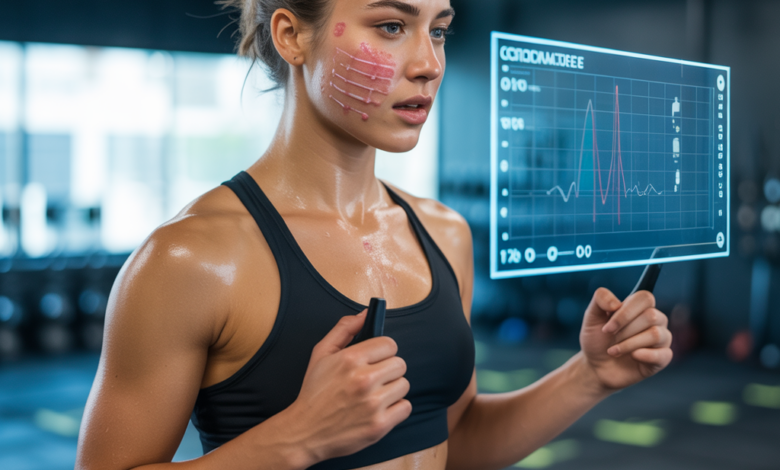
Ever notice a surprise breakout right before a big event, after a sweaty gym session, or during a stressful week? If so, you’re not alone — and the good news is that many acne flare-ups are solvable with simple adjustments. In this post we’re decoding acne breakouts with practical fitness tips, workout variations, and lifestyle hacks that actually work for acne-prone skin.
Decoding acne breakouts: what really triggers pimples
Understanding why acne appears is the first step to prevention. Breakouts result from a mix of clogged pores, excess oil (sebum), bacteria, inflammation, and in many cases, hormones. Below are the most common triggers to watch for:
Hormonal acne
Fluctuations in hormones — puberty, menstrual cycles, pregnancy, and stress-related cortisol spikes — can increase oil production and lead to deeper, inflamed pimples, often along the jawline and chin.
Diet and inflammation
High-glycemic foods, dairy for some people, and processed sugars can worsen inflammation and contribute to acne for sensitive individuals. An anti-inflammatory diet rich in whole foods, omega-3s, and antioxidants often helps reduce breakouts.
Sweat, friction, and “post-workout acne”
Sweat itself doesn’t cause acne, but when sweat mixes with oil and bacteria on the skin and sits under tight clothing or a helmet, it creates an environment for clogged pores. This is especially relevant for gym-goers experiencing body acne or facial breakouts after exercise.
Stress and lifestyle factors
Poor sleep, chronic stress, and touching your face frequently are common, preventable contributors. Even little habits like dirty pillowcases or reusable face masks can sustain bacteria and oils that ignite breakouts.
How exercise affects your skin — and how to adapt
Regular exercise is great for circulation, hormones, and overall health, but sweat and gym environments can create temporary challenges for acne-prone skin. Use these fitness-focused strategies to keep your skin clear while staying active.
Pre- and post-workout skincare routine
- Cleanse before exercise only if you’ve been wearing heavy makeup or sunscreen; otherwise rinsing with water can prevent stripping oils.
- Shower or at least wash your face and neck within 20–30 minutes after exercising to remove sweat and bacteria.
- Use a gentle cleanser with salicylic acid or benzoyl peroxide if your skin tolerates it — these help clear pores and reduce inflammation.
Workout variations to reduce acne risk
Not all activities affect acne the same way. Try these adjustments:
- Swap tight-fitting gear for breathable fabrics (moisture-wicking and loose-fitting) during long sessions to reduce friction and trapped sweat.
- Alternate high-intensity interval training (HIIT) with low-impact cardio and active recovery to manage cortisol and inflammation.
- For athletes using helmets or pads, add a quick wipe-down and clean the gear regularly to remove oil buildup.
Practical skincare and lifestyle strategies that actually work
Beyond the gym, a combination of small daily habits will make a big difference in managing acne-prone skin.
Nutrition and hydration
- Follow an anti-inflammatory eating pattern: whole fruits and vegetables, lean protein, nuts, seeds, and fatty fish rich in omega-3s.
- Reduce high-glycemic carbs and limit dairy if you notice a correlation with flare-ups.
- Stay hydrated — water supports skin health and helps balance oil production.
Sleep, stress management, and recovery
Prioritize 7–9 hours of quality sleep and include stress-reduction techniques like mindfulness, breathing exercises, or yoga. Managing cortisol helps regulate oil production and reduces inflammation.
Home hygiene and small changes
- Change pillowcases twice a week, wash workout clothes after each use, and clean makeup brushes regularly.
- Avoid touching or picking at pimples — it spreads bacteria and causes scarring.
- Choose non-comedogenic skincare and makeup products labeled safe for acne-prone skin.
Real-world examples: simple swaps that fixed breakouts
Case study 1: “Runner Sarah” was getting chin breakouts after long runs. She switched to a breathable sports headband, showered within 20 minutes, and added a salicylic cleanser to her routine. Within 4 weeks her flare-ups decreased noticeably.
Case study 2: “Gym Coach Marco” developed back acne from tight shirts and shared gym mats. He started wearing loose, moisture-wicking tops, showering promptly, and laundering his gear daily. His body acne improved significantly within two months.
Fitness tips to complement your acne plan
- Cool down gradually: ending workouts with light activity helps reduce stress hormones.
- Integrate strength training 2–3 times per week to balance hormones and build lean mass, which can help regulate glucose and insulin.
- Include mobility and restorative sessions (foam rolling, stretching) to support recovery and sleep quality.
Frequently Asked Questions
1. Will sweating make my acne worse?
Sweating itself doesn’t cause acne, but sweat mixed with oil and bacteria can clog pores if left on the skin. Showering or washing your face soon after workouts and wearing breathable clothing reduces the risk of breakouts.
2. What foods should I avoid if I have acne-prone skin?
Foods that may aggravate acne for some people include high-glycemic carbs (like sugary snacks and refined grains) and certain dairy products. An individualized approach using an elimination trial can help identify triggers. Focus on whole, anti-inflammatory foods instead.
3. How quickly can I expect results after changing my routine?
Skin cell turnover takes about 4–6 weeks, so you’ll usually see improvements within that window if you consistently follow a targeted skincare, nutrition, and lifestyle plan. For persistent or severe acne, consult a dermatologist for personalized care.
Conclusion: Start decoding acne breakouts today
Decoding acne breakouts means looking at the whole picture — hormones, diet, exercise habits, and daily skincare. Small, consistent changes like post-workout hygiene, breathable fabrics, an anti-inflammatory diet, and stress management can deliver real results. If you’re ready to build a practical routine, try a few of the workout and lifestyle adjustments above and track your skin’s response over a month.
Want a structured approach? Check out our workout routines, explore clean-eating plans in our nutrition guides, and browse recovery strategies on our wellness tips page to create a personalized acne-friendly lifestyle. Share your experience below or start a 4-week skin-and-fitness challenge today — your clearer skin starts with one small change.