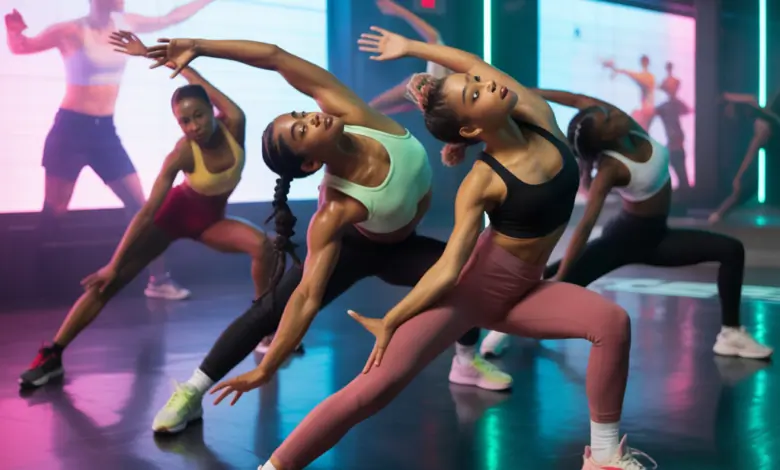
Ever found yourself tapping your foot to a song and wondered, “Could I turn this into a full workout?” Or maybe you’ve tried a dance class and left sweating, smiling, and craving more—but you don’t know how to make it a consistent, effective routine. If that sounds familiar, these dance workout tips will help you move smarter, burn more calories, and keep the joy in your fitness.
Why Dance Workouts Work (And Why You’ll Stick With Them)
Dance-based cardio blends cardiovascular exercise, coordination, and often full-body strength. Because it feels less like a chore and more like play, dance fitness is one of the best ways to build consistency—one of the main predictors of long-term results. Whether you’re doing Zumba, hip-hop cardio, ballet-inspired barre, or at-home dance routines, the variety keeps motivation high and plateaus low.
Real-world example
Sarah, a busy teacher, swapped two gym treadmill sessions a week for three 30-minute at-home dance workouts. Within six weeks she noticed improved energy, 5 pounds lost, and better posture—proof that matching movement to lifestyle beats perfection every time.
Essential Dance Workout Tips
These practical tips will make your dance sessions safer, more effective, and more fun.
- Warm up properly: Start with 5–8 minutes of dynamic stretching—arm circles, leg swings, hip openers—to prep joints and muscles for movement.
- Prioritize form: Keep a neutral spine, engage your core, and soften the knees to protect hips and lower back during leaps or quick direction changes.
- Mix tempo and intensity: Alternate fast songs with slower sections (high-intensity interval-style dance) to burn fat and build endurance.
- Use the right footwear/floor: Supportive shoes for cardio-heavy routines; barefoot or grippy socks for barre or floor-based moves to maintain balance and avoid slips.
- Scale moves safely: Replace high-impact jumps with step-touches or low-squat repetitions to reduce joint stress while maintaining cardio load.
- Track effort, not perfection: Use perceived exertion (RPE 6–8) to guide intensity—this works better than exact step counts for many dancers.
How to Build a Dance Workout Routine
Structure matters. Here’s a simple template you can use whether you’re a beginner or more advanced.
- Warm-up (5–8 min): Marching, hip circles, shoulder rolls
- Main set (20–30 min):
- 3–5 songs of choreography or freestyle, alternating high and moderate intensity
- Add bodyweight strength intervals (e.g., 30s plank, 15 squats) between songs
- Cool-down (5–7 min): Light stretching focusing on hips, hamstrings, calves, and chest
Frequency: Aim for 3–5 sessions per week. Duration: 20–45 minutes per session depending on goals and time.
Beginner Dance Workout: 20-Minute Example
- Warm-up: 5 minutes brisk march + arm swings
- Main: 12 minutes—4 songs, 3 minutes each: easy choreography or follow-along cardio
- Cool-down: 3 minutes gentle stretching
Workout Variations to Keep Progressing
To avoid plateaus and keep things interesting, rotate through different dance styles and training methods:
- Cardio dance circuits: Combine 3–4 songs with bodyweight moves between tracks (push-ups, lunges, mountain climbers).
- Technique-focused sessions: Spend 20–30 minutes on footwork, turns, and balance to improve efficiency of movement.
- Strength + dance: Add resistance bands or light dumbbells for upper-body conditioning without sacrificing rhythm.
- Low-impact dance cardio: For joint protection, choose smooth side steps, gliding moves, and low jumps.
Nutrition, Recovery, and Lifestyle Tips for Better Dance Workouts
Movement is half the equation—nutrition, sleep, and recovery complete it. Follow these habits to fuel performance and speed recovery.
- Pre-workout fuel: Small snack 30–60 minutes before: banana or toast with nut butter for steady energy.
- Protein after class: 15–25g of protein within 1–2 hours to help muscles repair—Greek yogurt, protein shake, or eggs.
- Hydration: Sip water before, during, and after; electrolyte drinks for sessions longer than 60 minutes.
- Sleep and stress management: Aim for 7–9 hours of sleep to support recovery and learning new choreography.
- Mobility work: 10 minutes daily of foam rolling or yoga to reduce soreness and improve range of motion.
Staying Motivated: Tips That Actually Work
Consistency is easier when your plan fits your life. Try these tactics:
- Schedule it: Block dance time in your calendar like any appointment.
- Find a buddy or class: Accountability increases adherence—join a local class or virtual community.
- Keep playlists fresh: Rotate themes—90s pop, Latin beats, or EDM—to keep mood high.
- Track progress: Record short video snippets monthly to see improvements in stamina and technique.
Dance Workout Tips for Different Goals
Whether your aim is weight loss, toning, or improved coordination, tweak your approach:
- Weight loss: Prioritize longer, moderate-to-high intensity sessions and monitor calorie intake.
- Toning: Add resistance work and focus on slow-controlled moves for muscle endurance.
- Improved technique & flexibility: Include regular mobility and technique drills alongside practice.
Frequently Asked Questions
1. How often should I do dance workouts to see results?
Aim for 3–5 times per week, 20–45 minutes per session. Consistency beats intensity alone—regular movement plus balanced nutrition will produce the best outcomes.
2. Can dance workouts help me lose belly fat?
Dance cardio contributes to overall calorie burn, which helps reduce body fat when paired with a calorie-controlled diet. Spot reduction isn’t possible, so focus on full-body workouts and nutrition strategies from our nutrition guides.
3. What if I’m a beginner and feel awkward dancing?
Start small with short, follow-along routines or beginner-friendly classes. Practice simple moves, use a mirror or camera to self-correct, and track small wins. For structure, check our page of workout routines for beginner plans.
Final Thoughts and Next Steps
Dance workouts are a sustainable, fun, and effective way to improve fitness, coordination, and mood. Use these dance workout tips to warm up properly, structure sessions, vary your training, and support recovery with smart nutrition and sleep. Ready to turn your favorite songs into a fitness routine? Start with one 20–30 minute session this week, bookmark a few go-to playlists, and celebrate the small wins—then explore more advanced variations as your confidence grows.
Want tailored routines or meal ideas to match your dance goals? Check out our workout routines and wellness tips pages for more guidance. Share your progress or questions in the comments below—let’s dance our way to better health together!