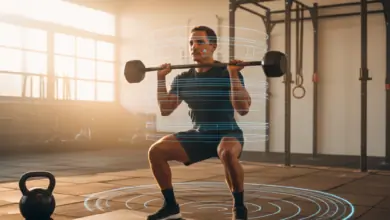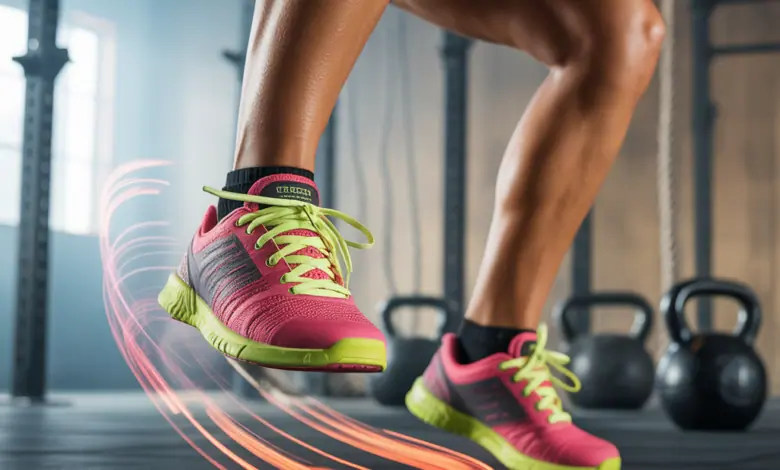
Ever been halfway through a WOD when your shoes start slipping during box jumps or feel like a marshmallow for heavy squats? If you’ve ever wondered how the right footwear could instantly change your PRs and post-WOD comfort, you’re not alone. Choosing the right crossfit shoes for women for performance can mean the difference between steady progress and nagging setbacks.
Why the right CrossFit shoes matter
CrossFit blends Olympic lifts, running, gymnastics, and high-intensity intervals. That variety demands a shoe that balances stability, traction, and durability. The wrong shoe can compromise technique, increase injury risk, and make workouts less efficient. The right pair supports foot mechanics during heavy lifts, absorbs impact during jumps, and offers enough flexibility for rope climbs and burpees.
How to choose crossfit shoes for women for performance
Picking the best CrossFit shoes for women for performance is about matching shoe features to your training priorities. Here are the main factors to consider:
Fit & sizing
- Try shoes with socks you normally wear for training; feet swell during workouts.
- Look for a snug midfoot with enough toe-box room to splay during jumps and lifts.
Stability & heel-to-toe drop
- Low to moderate heel drop (0–6mm) helps with flat-ground power and quick transitions.
- For heavy Olympic lifts, slightly firmer soles and a marginally higher heel can improve squat depth and stability.
Cushioning vs. ground feel
- Light cushioning is ideal for short runs and metcons; too much can reduce lifting stability.
- If your WODs include longer runs, prioritize responsive midsoles that still offer a firm base for lifts.
Traction, outsole durability & materials
- Look for grippy rubber and tread patterns that handle rope climbs, sled pushes, and quick lateral movements.
- Reinforced toe caps and abrasion-resistant uppers extend shoe life during rope-work and box steps.
Weight & breathability
- Lighter shoes reduce fatigue during high-rep metcons but shouldn’t sacrifice structure for weight savings.
- Mesh panels and well-placed ventilation keep feet cooler during long sessions.
Top features to prioritize (and why they matter)
When searching for women’s CrossFit footwear, prioritize:
- Flat, firm sole for lifting stability.
- Durable toe protection for rope climbs.
- Sticky rubber outsole for box jumps and sled pushes.
- Adjustable lacing or strap for a locked-in fit during dynamic moves.
Workout tips and variations that match your shoes
Choose workouts that suit your footwear while you assess what you like most in training shoes. Here are practical pairings:
Heavy lifting day
- Wear shoes with a firm, stable sole. Focus on low-rep back squats and deadlifts.
- Tip: If your shoes have minimal heel drop, emphasize ankle mobility drills beforehand.
Metcon and short runs
- Lightweight, responsive shoes work best for AMRAPs and 400–800m sprints.
- Tip: Use removable insoles to fine-tune comfort without sacrificing ground feel.
Gymnastics and rope climbs
- Choose shoes with reinforced toes and a secure midfoot fit to prevent slippage on rope climbs and ring transitions.
- Tip: Practice foot placement drills in your training shoes to build confidence during complex gymnastics movements.
Healthy lifestyle and recovery tips to boost performance
Great shoes help, but lifestyle habits amplify results:
- Nutrition: Prioritize protein and complex carbs around workouts to fuel performance and recovery — see our nutrition guides for meal ideas.
- Sleep: Aim for 7–9 hours; muscle repair happens overnight.
- Mobility: Spend 10 minutes pre- and post-WOD on dynamic warm-ups and foam rolling to protect ankles and hips.
- Foot care: Rotate shoes every 6–12 months depending on mileage and intensity, and air them out between sessions to prevent odor and wear.
Real-world examples: How the right shoe changed two athletes’ training
Example 1 — Sarah, competitive CrossFitter: Switching from a running shoe to a low-drop CrossFit shoe increased her back squat depth and stability. She shaved 10 seconds off her clean-and-jerk complex by locking her midfoot and having better force transfer.
Example 2 — Maya, weekend warrior: She picked a versatile hybrid shoe with reinforced toes. The better traction and protection improved her confidence on rope climbs and reduced blisters during high-volume WODs.
Frequently Asked Questions
1. Are CrossFit shoes for women different from men’s?
Yes — women’s CrossFit shoes are sized and shaped for a typically narrower heel and different arch profile. Fit matters more than gender labels; try on multiple models to find a shoe that fits your foot shape.
2. Can I use running shoes for CrossFit?
Short answer: sometimes. Long-distance running shoes with thick cushioning are not ideal for heavy lifts or rope climbs. If most of your WODs are metcon-heavy with sprints, a lightweight trainer may work, but a dedicated CrossFit or crossover shoe usually provides better all-around performance.
3. How often should I replace my CrossFit shoes?
Replace them when you notice reduced traction, sole compression, or upper damage. For frequent athletes, that’s often every 6–12 months; casual lifters might get 12–18 months. Rotating between two pairs extends lifespan and reduces odor.
Conclusion — Take the next step with the right crossfit shoes for women for performance
Choosing the best crossfit shoes for women for performance is about balancing stability, traction, and comfort with your training priorities. Start by identifying whether you need more lift for heavy squats, a responsive shoe for metcons, or durable protection for ropes and box work. Pair your choice with smart nutrition, mobility work, and proper recovery to maximize gains.
Ready to upgrade your training? Explore our workout routines and wellness tips to build a training plan that complements your new shoes. Sign up for our newsletter to get shoe reviews, training variations, and recovery hacks delivered weekly.