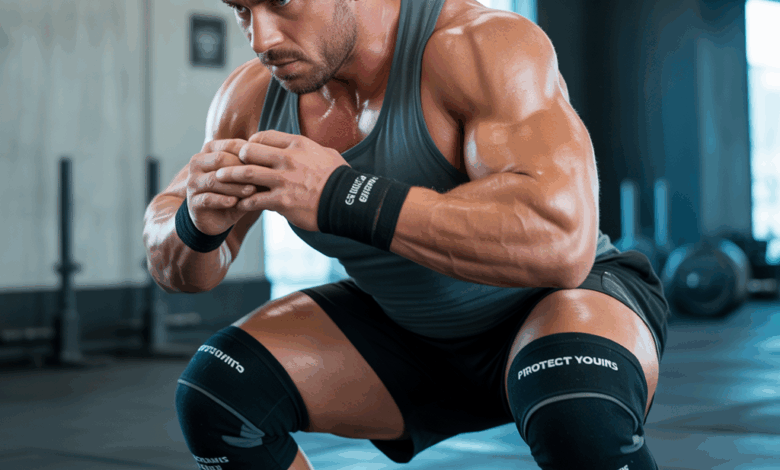
Have you ever hit a heavy back squat, felt a sharp twinge around your kneecap, and wondered if that little ache is the start of something bigger? If so, you’re not alone. Whether you’re a daily CrossFit athlete or a weekend WOD warrior, choosing the right gear—like crossfit knee sleeves for joint protection—can make the difference between consistent training and recurring knee pain.
Crossfit knee sleeves for joint protection: Why they matter
Knee sleeves are more than a fashion statement. They provide targeted compression, warmth, and proprioceptive feedback that help stabilize the knee joint during high-impact and heavy-load CrossFit movements. For athletes who do lots of squats, cleans, box jumps, and running, good knee support reduces swelling, improves confidence under the bar, and can reduce the chance of aggravating existing issues.
How knee sleeves work — compression, warmth, and proprioception
Knee sleeves act in three main ways:
- Compression: Helps control swelling and increases blood flow for recovery during and after workouts.
- Thermal retention: Keeps the joint warm to improve mobility and reduce stiffness.
- Proprioceptive feedback: Reminds you where your knee is in space, which often improves form and reduces risky movement patterns.
Sleeves vs wraps vs tape
Wraps offer adjustable compression and are popular for max-effort lifts; sleeves give consistent compression and are better for fast-paced WODs. Athletic tape can assist in targeted support but doesn’t provide the continuous warmth or compression of sleeves. Choose based on the workout: sleeves for metcons and general training, wraps for single heavy attempts.
Choosing the best knee sleeves for CrossFit
Not all knee sleeves are created equal. When shopping for knee sleeves for joint protection, consider these factors:
- Thickness: 3mm sleeves are flexible and great for CrossFit metcons; 5mm are a balanced choice for general strength and conditioning; 7mm give more stability for heavy lifting but can limit mobility.
- Material: Neoprene provides warmth and durability; compression fabrics offer breathability for high-rep workouts.
- Fit: A snug fit is critical. Too tight and circulation is restricted; too loose and the sleeve will slide during box jumps. Follow the brand’s sizing chart and measure around the center of your knee.
- Length and coverage: Longer sleeves can add more support for patellar tracking; shorter sleeves are less restrictive for sprinting and double-unders.
- Durability: Reinforced seams and quality stitching prevent rolling or fraying after repeated use.
Long-tail considerations: best knee sleeves for CrossFit, breathable compression knee sleeves, and joint protection options
Search terms like “best knee sleeves for CrossFit” or “compression knee sleeves for joint protection” will surface different priorities. If you need daily support for high-volume classes, look for breathable, 3–5mm sleeves. If you’re a competitive lifter in CrossFit, a 7mm pair for heavy cleans and squats may be appropriate.
Practical tips, workout variations, and form cues
Using sleeves is only one part of knee health. Combine them with smart training and recovery:
- Warm up dynamically: Spend 8–10 minutes on mobility drills — leg swings, world’s greatest stretch, and ankle dorsiflexion drills before donning sleeves for heavy sessions.
- Prioritize squat mechanics: Think knees out, chest up, and hips back. Use tempo squats and paused squats to reinforce control.
- Single-leg strength: Add bulgarian split squats and reverse lunges to balance quad and glute strength and reduce compensatory strain on the knee.
- Modify WODs smartly: Substitute box jumps with step-ups or reduce impact by using a lower box. If knees flare during wall balls, reduce depth or use a lighter ball.
- Use sleeves for confidence, not a crutch: Relying solely on sleeves without addressing movement faults can mask problems. Combine sleeves with corrective work.
Sample knee-friendly CrossFit workout
Try this modification-focused WOD:
- AMRAP 12 minutes: 10 kettlebell swings (moderate weight), 8 step-ups (each leg), 6 dumbbell front squats (light weight)
- Focus on controlled descent and full hip extension each rep.
Lifestyle and recovery advice for healthier knees
Protecting joints goes beyond sleeves and lift selection. Consider these healthy lifestyle strategies:
- Nutrition for joint health: Eat anti-inflammatory foods — leafy greens, fatty fish, and colorful vegetables. Consider collagen-rich bone broth or a collagen supplement alongside vitamin C to support connective tissue (consult a professional before starting supplements).
- Sleep and recovery: Prioritize 7–9 hours of sleep and schedule regular rest or active recovery days to let inflamed tissues calm down.
- Mobility and soft tissue work: Use foam rolling for quads and IT band, and include daily hip mobility routines to reduce knee compensation.
- Progressive loading: Increase training volume and intensity gradually to avoid overuse injuries.
Real-world examples: athletes, adaptations, and what worked
Case study 1: A competitive CrossFitter with mild patellar tendinopathy switched to 5mm sleeves and reduced depth on heavy back squats for two weeks, added eccentric single-leg work, and reported decreased pain and improved training consistency.
Case study 2: A beginner who experienced knee swelling after metcons swapped to 3mm sleeves for added warmth, focused on mobility and stepped down box heights for three weeks, then returned to full-intensity workouts without swelling.
Frequently Asked Questions
Wear knee sleeves for heavy strength sessions, metcons with repeated jumping and squatting, or whenever you want added warmth and proprioception. Avoid constant use in every single workout; give your muscles time to adapt without external support.
The sleeve should be snug but not restrict circulation. You should feel even compression around the knee that stays in place during movement. If your toes go numb or the sleeve leaves deep marks, it’s too tight.
Knee sleeves can reduce swelling, improve comfort, and provide proprioceptive feedback that helps with form — but they don’t replace proper technique, mobility work, or strength training. They’re a valuable tool for joint protection, not a magic bullet.
Conclusion — Take the next step to protect your knees
Choosing the right crossfit knee sleeves for joint protection can keep you training longer and with more confidence. Pair the right sleeve thickness and fit with smart programming, mobility, and recovery to get the best results. Want to try a training plan that balances heavy lifting with knee-friendly conditioning? Check out our workout routines and combine them with meal strategies from our nutrition guides. For daily recovery tips, visit our wellness tips page.
Ready to protect your knees and stay consistent? Start with one small change this week: pick a sleeve thickness that matches your workouts, add one single-leg accessory movement, and monitor how your knees feel. Share your progress and questions in the comments — let’s keep moving stronger, together.