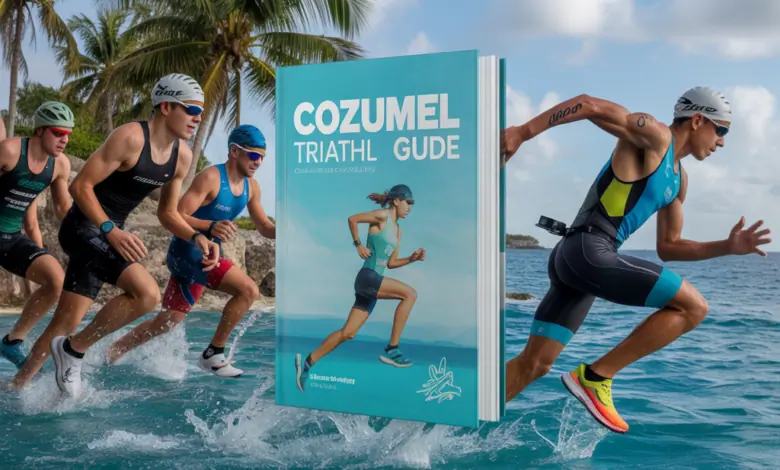
Have you ever pictured yourself standing on warm sand, salt air in your face, about to dive into crystal-clear Caribbean water for a triathlon? If so, this Cozumel triathlon guide for race prep will help you turn that daydream into a strong, confident performance. Whether you’re aiming for a sprint, Olympic, or longer distance, Cozumel’s heat, wind and open-water swim demand specific preparation — and this post breaks down exactly how to get ready.
Why Cozumel is a Unique Race Destination
Cozumel is famous for turquoise water and a mostly flat bike and run course, but don’t let the beauty fool you: the island’s humidity, sun exposure and potential ocean current make pacing, hydration and sighting essential. Expect warm race temperatures, crosswinds on exposed roads, and a swim that rewards open-water confidence. That’s why a targeted Cozumel triathlon training plan — focusing on heat acclimatization, swim sighting, and coastal biking skills — will pay off on race day.
Cozumel Triathlon Guide for Race: Before You Arrive
Begins weeks out: plan travel, taper and logistics so you avoid last-minute stress. Here’s a practical checklist:
- Arrive 3–5 days early to acclimate to heat, humidity, and time zone changes.
- Confirm race packet pickup, bike check-in windows, and course maps in advance.
- Practice transitions at least once with your full race kit to avoid surprises.
- Pack a race-day sunscreen, electrolytes, spare tubes/CO2, and a light recovery layer.
Training Essentials: Build Specificity and Confidence
Smart training for Cozumel blends open-water swims, wind-handling bike sessions, and run bricks. Below are practical workouts and a sample training week for an intermediate athlete preparing for a middle-distance event.
Swim: Open-water skills and sighting
- Weekly: 2–3 swims with at least one open-water session if possible.
- Key set: 3 x (10 min continuous with 30-second sight breaks) at steady race pace.
- Practice mass starts and sighting on landmarks every 6–8 strokes.
Bike: Wind practice and steady power
- Include long rides (2–4 hours depending on distance) with sustained tempo intervals.
- Work on cadence drills (5 x 5 min at high cadence, 95–105 rpm) and simulated wind efforts.
- Practice riding in your aero position while sipping from bottles to simulate race nutrition.
Run: Bricks and heat tolerance
- Do at least one brick session per week (bike 60–90 min + 20–40 min run) to teach legs to transition.
- Interval example: 6 x 3 min at 10K pace with 90 seconds easy jog.
- Taper your long run in the last 10–14 days but keep intensity to stay sharp.
Sample Week (Intermediate)
- Mon: Recovery swim + strength/core (45 min)
- Tue: Bike intervals (1–1.5 hr) + short run (15–20 min)
- Wed: Open-water swim (45–60 min)
- Thu: Tempo run (45–60 min) + light swim
- Fri: Easy bike or rest + mobility
- Sat: Long bike (2–4 hr) + short transition run
- Sun: Long swim or long run (depending on distance), focus on form
If you want ready-made sessions, check out our workout routines page for swim, bike and run plans you can adapt for Cozumel conditions.
Nutrition, Hydration and Recovery
Race success in Cozumel is as much about fueling wisely as it is about training. Follow these practical tips:
- Practice your race-day nutrition during long training sessions; don’t try new products on race morning.
- Use electrolyte supplements proactively — humidity increases sweat sodium loss.
- Aim for 20–30g of carbohydrate per 30–45 minutes for shorter efforts; up to 60–90g/hour for longer events depending on gut tolerance.
- Prioritize sleep and active recovery: foam rolling, light swims, and compression after long efforts help reduce DOMS.
For meal timing, recipes and electrolyte strategies tailored to endurance athletes, explore our nutrition guides.
Gear, Transition Practice and Race-Day Logistics
Small details matter. Use this checklist to avoid the usual gotchas:
- Gear: well-fitted wetsuit (if allowed/needed), aero helmet, sunglasses, race wheels if you have them, two bottles for the bike and a handheld or waist-clip for the run.
- Transition: lay out gear in the order you’ll use it; practice removing wetsuit quickly and putting on helmet/shoes efficiently.
- Race morning: warm up with a short run and dynamic drills; visualize the course, swim exit, and first 10 minutes of each leg.
Race Strategy: Pacing, Heat Management and Mental Game
Start conservative on the swim and bike to avoid early glycogen debt. In Cozumel, the swim often has currents — sight frequently and stay relaxed. On the bike, tuck into the aero position but be ready to respond to gusts. For the run, plan for slightly slower splits than your best training pace if heat is high; aim for even or negative splits.
Mental strategies: break the race into manageable sections, use mantras or cues, and have a plan for when things go wrong (flat tire, cramping, nausea). Real-world example: a fellow racer I coached intentionally slowed 10% on the bike when temperatures spiked and finished the marathon with a strong negative split — that patience paid off.
Frequently Asked Questions
Q1: What distance triathlons are common in Cozumel?
A1: Cozumel hosts a range of races from sprint and Olympic distances up to half- and full-Ironman events at various times of year. Check the specific event details for exact distances, but most race organizers publish swim/bike/run distances well in advance.
Q2: How many days should I arrive before the race to acclimate?
A2: Aim to arrive 3–5 days early to adapt to heat and humidity. If you’re traveling from a significantly different time zone, add extra days for sleep adjustment. Use early days for short swims, a dress rehearsal bike ride, and light runs.
Q3: How do I handle wind on the bike course?
A3: Practice riding in crosswinds and using a lower gear to maintain cadence rather than mashing big gears. Keep a firm grip, look ahead for gusts, and adjust your aero position if sudden crosswinds feel unsafe. Drafting rules depend on the race category — always follow race regulations.
Conclusion: Ready for Cozumel? Take the Next Step
This Cozumel triathlon guide for race prep gives you the tools to train smart, adapt to island conditions, and race with confidence. Start by building heat-acclimation sessions into your schedule, practice open-water sighting, and dial in a nutrition plan during long efforts. If you want structured sessions, visit our workout routines and nutrition guides, or check our wellness tips for recovery strategies.
Ready to commit to a Cozumel race? Pick one concrete action today — schedule your open-water practice, book travel to arrive early, or write a 12-week training plan — and start building momentum. Share your race goals or ask for a tailored session plan in the comments below.