Have you ever stood in your gym bag doorway, running late for a morning run, and wondered if you should grab a quick at-home test first? With sickness still part of our reality, understanding the covid home rapid test basics can keep you, your training partners, and your community safer without disrupting your fitness routine.
Why covid home rapid test basics matter for active people
Rapid antigen tests, also called at-home COVID tests or self-test kits, are designed to quickly tell you if you’re likely contagious. For athletes, group class-goers, or anyone who trains with others, knowing the fundamentals—how to test, when to test, and how to interpret results—helps you make smart choices about training, isolation, and recovery.
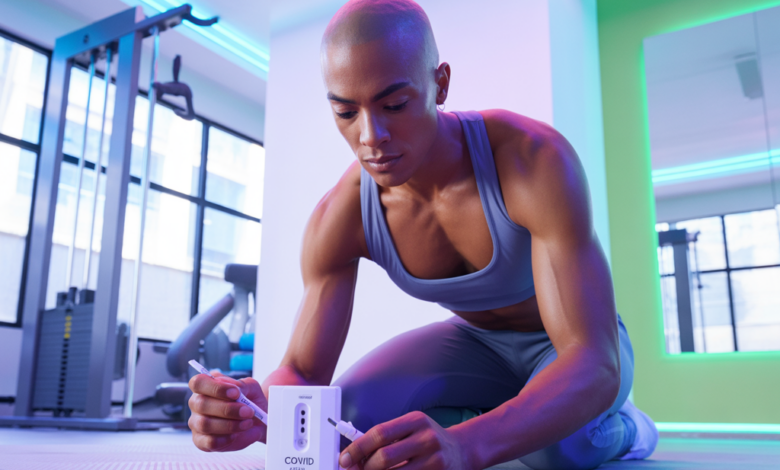
How to use a covid home rapid test: step-by-step
Most home testing kits follow a similar process. Follow the manufacturer’s instructions, but these are the general steps to get an accurate result.
Step 1 — Prepare your testing area
Wash your hands, clear a flat surface, and open the test kit without contaminating swabs or reagents. A clean environment reduces the chance of false readings.
Step 2 — Collect the sample correctly
Most kits require a nasal swab (anterior nasal). Gently insert the swab into each nostril as directed and rotate for the recommended time. Proper sampling increases sensitivity.
Step 3 — Process and wait
Place the swab in the reagent solution and transfer the required drops to the test device. Set a timer—the read window (usually 15–30 minutes) matters. Reading too early or too late can lead to an incorrect interpretation.
Interpreting results and next steps
Common outcomes are negative, positive, or invalid. A positive rapid antigen test usually means you’re infectious—treat it seriously. A negative result reduces the likelihood you are contagious at that moment but isn’t a guaranteed “all clear” especially if you’re symptomatic or were exposed recently.
What to do after a positive test
- Isolate according to local guidance and rest.
- Consider confirming with a PCR test if required for travel or medical reasons.
- Notify close contacts and reschedule group workouts or classes.
What to do after a negative test
If you’re symptom-free, a negative at-home COVID test is reassuring. If you have symptoms or a recent exposure, repeat testing 48 hours later or seek a PCR test for higher sensitivity.
When should you test? Timing matters
Best practices for testing include:
- Before group classes, travel, or visiting vulnerable people.
- When symptoms start (fever, sore throat, loss of taste/smell, congestion).
- 3–5 days after a known exposure for higher detection likelihood.
Fitness-friendly advice while isolating
Testing positive doesn’t mean your fitness journey ends. Modify intensity to match energy and symptoms.
Low-impact workout variations
- Light mobility and yoga flows to maintain range of motion.
- Short bodyweight circuits (3–4 exercises, low reps) if fever-free and feeling OK.
- Breathing exercises and gentle walking to support recovery.
Nutrition and rest tips to support recovery
Prioritize sleep, stay hydrated, and choose nutrient-dense foods—lean protein, whole grains, fruits, and vegetables. Vitamin-rich meals, especially those with vitamin C and zinc, support immune function. Avoid pushing high-intensity workouts until fully recovered.
Real-world examples: how athletes use home tests
A local running club I coach uses a simple rule: if you feel off, take a rapid antigen test before joining a group run. One member caught an early positive after mild congestion—isolating that day prevented a dozen potential exposures. Another time, a negative result combined with no fever allowed a cautious 20-minute mobility session at home instead of missing two days of activity.
Common myths and accuracy of at-home tests
Rapid antigen tests are best at detecting people when they are most infectious. They’re less sensitive than PCR tests for low viral loads. False negatives can occur, particularly very early after exposure or with poor swab technique. Still, frequent testing and correct use increase their value.
Frequently Asked Questions
1. How accurate are covid home rapid test basics compared to PCR?
Rapid antigen tests are quite accurate for detecting contagious people, but PCR tests are more sensitive overall. Use antigen tests for quick screening and PCR when high sensitivity is needed.
2. Can I exercise if I test negative but feel tired?
Light to moderate movement like stretching or a short walk is fine if you’re symptom-free. If you’re fatigued, prioritize rest—pushing through can delay recovery.
3. How often should I use at-home tests after exposure?
Test immediately after knowing about exposure and again 3–5 days later. If you remain symptomatic, test again or seek a PCR.
Conclusion: Take control with covid home rapid test basics
Mastering the covid home rapid test basics gives you the confidence to make smart decisions about training, socializing, and recovery. Use correct testing technique, time your tests well, and combine results with common-sense habits—rest, nutrition, and modified workouts—to stay healthy and consistent. Ready to adapt your plan? Check our workout routines for low-impact sessions and explore our nutrition guides and wellness tips to support recovery and overall resilience.
Have questions about a specific test kit or need a recovery workout plan? Try a quick at-home test, then come back and pick a gentle routine tailored to how you feel. Your next step: grab a test kit and plan a recovery-friendly workout now.