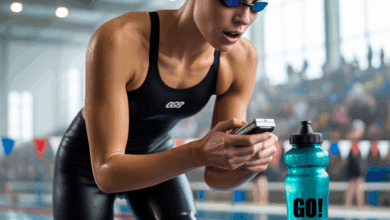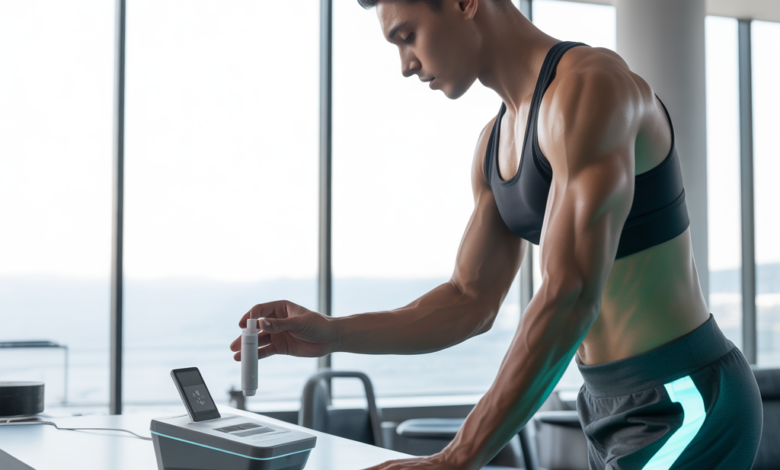
Ever had that moment before a group run, gym class, or family gathering where you wonder, “Am I safe to be around others today?” Picture yourself lacing up your shoes, feeling slightly scratchy in the throat, and reaching for a covid home rapid test. That quick swab could be the difference between a responsible decision and a risky one. In this post I’ll walk you through the essentials of at-home COVID-19 rapid testing, plus practical fitness and wellness tips to keep your training on track — safely.
Why at-home testing matters for fitness-minded people
Whether you’re a weekend warrior, a parent juggling workouts and childcare, or a coach organizing team practices, understanding how a covid home rapid test works helps you make smart choices quickly. Rapid antigen tests give results in minutes, are affordable, and are easy to use — ideal for pre-event screening, symptom checks, or routine testing in group settings.
covid home rapid test basics: how these tests work
Rapid antigen tests detect proteins from the virus using a nasal or throat swab. They’re designed for convenience:
- Quick sampling: usually a shallow nasal swab.
- Fast results: often within 15–30 minutes.
- Home-friendly: no lab required.
Keep in mind that sensitivity varies. A negative rapid test early after exposure may not rule out infection — repeating the test or getting a PCR test can be appropriate if symptoms persist or exposure was significant.
Step-by-step: using a rapid antigen test correctly
- Read the kit instructions before you start and check the expiration date.
- Wash your hands and use a clean surface.
- Collect the sample exactly as described (most use a nasal swab).
- Apply sample to the test device and time the result window.
- Dispose of materials safely and sanitize the area.
Interpreting results and next steps
Results are usually easy to read, but understanding what they mean is crucial:
- Positive result: Treat it as an infection — isolate, notify close contacts, and follow local health guidance. Consider a confirmatory PCR if required for travel or formal diagnosis.
- Negative result: If symptomatic or recently exposed, repeat the test after 24–48 hours and/or get a PCR test. False negatives are a known limitation, especially very early after exposure.
- Invalid result: Repeat the test with a new kit.
Fitness-friendly guidance when testing for COVID at home
Testing is only one piece of the puzzle. Here’s how to stay fit and healthy while navigating testing, isolation, or recovery.
If you test positive
- Prioritize rest and hydration. Your body needs energy to fight infection.
- Opt for gentle movement: short walks, mobility drills, light stretching, and breathing exercises can reduce deconditioning without overtaxing your system.
- Listen to your body — avoid high-intensity intervals, heavy lifting, or long endurance sessions until cleared by symptoms and, if applicable, by a healthcare provider.
If you test negative but feel off
- Consider low-impact workouts like yoga, cycling at an easy pace, or mobility sessions.
- Monitor symptoms; repeat testing after 24–48 hours if exposure is suspected.
- Keep group workouts virtual or solo until you’re confident you’re not contagious.
Workout variations and practical examples
Here are sample workouts you can do at home during a testing period or light recovery:
- Quick mobility circuit (15 minutes): Cat-cow, hip circles, world’s greatest stretch, shoulder dislocates — 2 rounds.
- Low-impact cardio (20–30 minutes): Brisk walk, easy cycling, or elliptical at conversational pace.
- Bodyweight maintenance (20 minutes): 3 rounds — 10 squats, 8 push-ups (or incline), 20-sec plank, 12 glute bridges.
Real-world example: Jenna, a busy triathlete, uses a rapid test before group swims. When she tested positive mid-season, she swapped hard sessions for daily mobility and short walks, then returned to technique work after symptoms resolved — minimizing fitness loss and protecting teammates.
Healthy lifestyle tips to support testing and recovery
Beyond testing, everyday habits help your immune response and readiness to train:
- Nutrition: focus on protein, colorful vegetables, and whole grains to support recovery and immune health.
- Sleep: aim for 7–9 hours; sleep is when much of immune repair happens.
- Hydration: maintain fluids, especially if feverish or symptomatic.
- Stress management: breathing exercises, brief meditations, and light movement reduce systemic stress and support healing.
For tailored nutrition plans and pre/post-workout fueling ideas, check our nutrition guides. To adapt workouts during illness or recovery, see our workout routines page.
Safety, accuracy, and best practices
To get the most from a covid home rapid test:
- Buy tests from reputable manufacturers and check expiration dates.
- Store kits as directed — extreme temperatures can affect accuracy.
- If you’re in a high-risk household or working with vulnerable people, err on the side of caution and consider PCR confirmation.
- Report positive results when required by local health regulations.
Frequently Asked Questions
1. How accurate is a covid home rapid test?
Rapid antigen tests are reasonably accurate at detecting high viral loads, especially when symptoms are present. They can produce false negatives early in infection. If you have symptoms or a known exposure, repeat testing or get a PCR for confirmation.
2. Can I exercise if my rapid test is positive?
No — avoid moderate to high-intensity exercise if you test positive. Light activity like walking or gentle stretching is okay only if you feel well enough, but prioritize rest and avoid group settings until you’re no longer contagious.
3. How soon after exposure should I use a rapid test?
Testing too early can yield a false negative. If exposed, wait 3–5 days before relying on a single rapid test, or test immediately and repeat after 48 hours. Follow current public health guidance for timing and isolation.
Conclusion — take control with covid home rapid test basics
Knowing the covid home rapid test basics empowers you to make safe choices for workouts, group activities, and family life. Use tests correctly, combine them with sensible habits — good sleep, balanced nutrition, and smart, lower-intensity workouts when needed — and you’ll protect both your fitness and your community. Ready to adapt your training plan safely? Explore our wellness tips and start building a resilient routine today.
Call to action: Grab a trusted at-home rapid test, add a few recovery-friendly workouts to your weekly plan, and bookmark this guide so you’re prepared the next time you face that “am I contagious?” moment.