Have you ever wondered whether getting a COVID shot should change your training plan or diet? Picture this: you’ve signed up for a spring 5K, your coach emailed your weekly program, and an appointment for a vaccine pops up the same week. What do you do? As a health and fitness blogger, I’ve seen these questions a lot — and the good news is you can protect your health without sidelining your progress.
Coronavirus vaccines overview
This coronavirus vaccines overview breaks down the main vaccine types, how they work, common side effects, and practical fitness and lifestyle tips so you can stay active and strong while staying protected. Whether you follow training plans for endurance, strength, or general wellness, this guide will help you make informed, actionable choices.
What are coronavirus vaccines and how do they work?
Vaccines for SARS-CoV-2 (the virus that causes COVID-19) train your immune system to recognize the virus and fight it without causing the full-blown disease. There are several platforms:
- mRNA vaccines — deliver genetic instructions (mRNA) so cells produce a harmless spike protein to trigger immunity.
- Viral vector vaccines — use a different, harmless virus to deliver the spike protein instructions.
- Protein subunit vaccines — contain purified pieces of the virus (like spike protein) to stimulate an immune response.
Vaccine efficacy and booster shots
Effectiveness can vary by product, variant, and time since vaccination. Booster doses help restore waning immunity and improve protection against new variants. Talk with your healthcare provider to determine the right schedule for you.
Common side effects and what to expect
Most side effects are mild to moderate and short-lived. Typical reactions include:
- Soreness at the injection site
- Fatigue
- Low-grade fever or chills
- Headache or muscle aches
Severe reactions are rare. If you experience worrying symptoms like difficulty breathing or chest pain, seek medical attention immediately.
How vaccinations interact with your fitness routine
One of the biggest concerns I hear from readers: “Will a shot derail my training?” In most cases, no — but tuning your workouts around how you feel is key.
Short-term adjustments
- If you feel no side effects, keeping your regular routine is fine.
- If you experience fatigue, soreness, or fever, opt for light activity (walking, gentle cycling) and prioritize rest.
- Avoid high-intensity interval training (HIIT), max lifts, or long endurance sessions for 24–72 hours if you feel unwell.
Real-world example: training for a 10K
Maria, a recreational runner training for a 10K, booked her booster two days before a scheduled tempo run. She swapped the hard session for a 30-minute easy run and mobility work. Two days later she resumed her normal plan with no setback. Small adjustments like this preserve progress and reduce risk of overtraining while your immune system responds.
Practical fitness tips and workout variations
Use these practical strategies to stay consistent with training around vaccination:
- Schedule heavy sessions (long runs, heavy lifting) at least 48–72 hours away from your shot when possible.
- Have a backup “recovery” workout: 20–30 minutes of brisk walking, mobility flow, or light resistance bands.
- Focus on sleep and hydration for 48 hours post-shot — both support immune response and recovery.
- Use progressive overload slowly after any forced rest day. One missed session won’t ruin gains.
Workout variations
- Feeling great: Maintain usual intensity or do a quality session (tempo, intervals, or heavy sets).
- Mild soreness/fatigue: 30–45 minutes of steady-state cardio or circuit with bodyweight exercises.
- Significant fatigue or fever: Rest, prioritize sleep, gentle stretching only.
Healthy lifestyle habits to support vaccine response
Beyond training adjustments, lifestyle choices help optimize vaccine effectiveness and recovery:
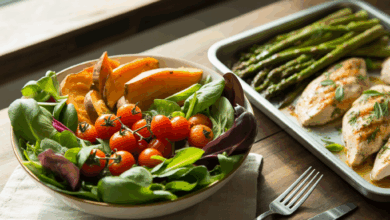
- Nutrition: Eat balanced meals with lean protein, colorful vegetables, whole grains, and healthy fats to support immune cells.
- Sleep: Aim for 7–9 hours nightly — good sleep enhances vaccine-induced antibody production.
- Stress management: Mindfulness, deep breathing, or light yoga can reduce stress-related immune suppression.
- Hydration: Maintain good fluid intake before and after vaccination to reduce headaches and assist recovery.
For targeted meal ideas and timing, check out our nutrition guides. If you want tailored workouts around recovery days, visit our workout routines section.
When to see a doctor
Most side effects resolve quickly. Seek medical care if you experience:
- Severe allergic reaction (difficulty breathing, swelling of face or throat)
- Persistent high fever >48 hours
- Chest pain, fainting, or palpitations
Frequently Asked Questions
1. Are coronavirus vaccines safe?
Yes. Authorized COVID-19 vaccines have gone through rigorous testing for safety and effectiveness. Most people experience mild side effects that resolve quickly. Serious adverse events are rare.
2. Will getting vaccinated affect my athletic performance?
Short-term effects like fatigue or soreness can temporarily change training, but most athletes return to baseline within a few days. Planning around vaccination and opting for light workouts if symptomatic helps maintain performance long term.
3. How soon after vaccination can I exercise?
If you feel fine, you can exercise the same day. If you experience side effects such as fever or severe fatigue, wait until symptoms resolve. For heavy or maximal effort training, consider scheduling it 48–72 hours away from the shot to be safe.
Conclusion — Stay active, stay protected
Understanding a coronavirus vaccines overview helps you make confident choices that protect both your immune health and fitness goals. Vaccination is a powerful tool against COVID-19, and with simple adjustments — light workouts, good sleep, balanced nutrition — you can keep training without missing a beat. Ready to plan your next session around a vaccine or want recovery-friendly workouts? Explore our wellness tips and tailor a strategy that fits your life.
Take action today: book your shot if you haven’t yet, plan a flexible training week around it, and prioritize sleep and nutrition — your body will thank you.
For more tips on how vaccinations interact with your fitness routine, check out Diet and Workout Tips.
For those following a specific training plan, you might wonder if your diet should include certain vegetables. For instance, did you know that onions can help boost your immune system? Learn about different types of onions and their uses here.
For more information on how renovating a kitchen can impact your training plan or diet, check out 4 Pieces of Machinery to Renovate an Ordinary Kitchen.