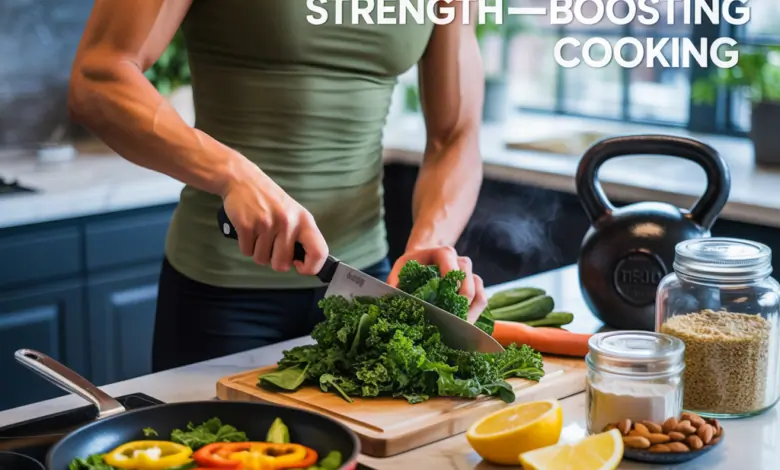
Ever come home after a long day, open the fridge, and wonder how one more takeout order will affect your energy and fitness goals? If that sounds familiar, you’re not alone. The right cooking tips can turn that moment of indecision into an opportunity—faster meals, better recovery, and more time for workouts. As a health & fitness blogger, I’ll walk you through practical strategies that bridge the gap between training hard and eating smart.
Why smart cooking matters for fitness and daily energy
Nutrition fuels performance. Whether you’re chasing a new personal record on a run, building lean muscle, or aiming for consistent energy through the workday, cooking at home gives you control over portions, ingredients, and timing. These healthy cooking tips for weight loss and performance will save time, improve recovery, and make healthy eating sustainable—not a chore.
Top cooking tips for healthy eating
Below are my go-to kitchen hacks and meal prep ideas that keep meals nutritious, quick, and delicious.
1. Batch cook protein and veggies
Roast a tray of chicken breasts, firm tofu, or salmon and a separate tray of mixed vegetables (broccoli, peppers, carrots) on Sunday. Portion into containers for 3–4 days. This meal prep method supports high-protein diets and makes it easy to assemble balanced plates after workouts.
2. Use simple seasoning and cooking techniques
- Swap heavy sauces for lemon, herbs, and a drizzle of olive oil.
- Master sheet-pan meals and stir-fries to minimize cleanup and time.
- Steam grains like quinoa or brown rice in bulk—freeze portions for quick reheats.
3. Prioritize post-workout nutrition
Within 30–60 minutes after training, aim for a mix of carbs and protein: Greek yogurt with fruit and granola, a turkey & avocado whole-grain wrap, or a smoothie with whey or plant protein, spinach, banana, and oats. These simple combos speed recovery and replenish glycogen.
4. Keep a healthy toolkit in your pantry
Stock staples like canned beans, canned tomatoes, olive oil, whole grains, nuts, and spices. When life gets busy, these ingredients enable quick, nutritious meals—think bean chili, tuna salad, or lentil soups.
Meal ideas and real-world examples
Here are three fast, real-world meals you can make in under 30 minutes:
- Sheet-pan chicken with sweet potatoes and Brussels sprouts: toss with olive oil, rosemary, salt, and pepper—bake at 425°F for 25–30 minutes.
- Protein-packed breakfast bowl: scrambled eggs or chickpea scramble, sautéed spinach, roasted cherry tomatoes, and a slice of whole-grain toast.
- Post-workout smoothie: frozen mixed berries, banana, a scoop of protein powder, a tablespoon of nut butter, and oat milk—blend until smooth.
Quick cooking tips for busy schedules
Use these time-saving healthy meal prep tips to make consistency your default:
- Cook two proteins at once: one to eat this week and one to freeze.
- Pre-chop vegetables and store in airtight containers.
- Make large batches of healthy sauces (tomato sauce, tahini dressing) to transform simple ingredients.
How cooking links to fitness: practical workout and nutrition pairings
Good training and cooking go hand-in-hand. Here are fitness tips and workout variations matched with meal ideas:
Strength training day
Workout: heavy lifting, compound movements (squats, deadlifts, presses). Meal: higher-protein dinner—grilled salmon, quinoa, and broccoli. Tip: aim for 20–30g protein at the next meal to support muscle repair.
Cardio or HIIT day
Workout: interval sprints or a 30-minute HIIT circuit. Meal: focus on carbs plus moderate protein—rice bowl with chicken and mixed vegetables to restore glycogen. Quick option: a banana and cottage cheese if you’re on the go.
Active recovery or rest day
Workout: yoga, mobility, light walk. Meal: slightly lower calories but nutrient-dense—large salad with mixed greens, roasted chickpeas, seeds, and a light vinaigrette.
Healthy cooking techniques that save calories and maximize flavor
- Grilling and roasting develop flavor without heavy sauces.
- Sauté with a controlled amount of oil; use non-stick pans and cooking sprays when appropriate.
- Use acidic finishes (citrus, vinegar) to brighten dishes—often you’ll need less salt or fat.
Mindful eating and lifestyle habits
Cooking is part of a healthy lifestyle. Slow down at meals, chew thoroughly, and listen to hunger cues. Meal planning reduces stress and prevents late-night indulgences. Pair these cooking tips with consistent sleep, hydration, and structured workouts to see real improvements in energy and body composition.
Frequently Asked Questions
1. What are the best cooking tips for beginners?
Start simple: learn a few staple recipes (rice, roasted chicken, a stir-fry), keep pantry essentials, and practice portioning. Focus on balanced plates—protein, vegetables, and whole grains—so you don’t rely on calorie-dense convenience foods.
2. How can I meal prep without getting bored?
Rotate proteins, change seasonings, and use different cooking methods (grill, roast, stir-fry). Make base ingredients (grains, beans, roasted vegetables) and mix them into bowls, wraps, or soups across the week.
3. Are quick healthy dinners possible on a tight schedule?
Yes. Use frozen vegetables, canned beans, and pre-cooked grains. A 20-minute stir-fry, a 10-minute omelet with veggies, or a tuna & bean salad can all be nutritious and satisfying.
Conclusion: Start small, stay consistent
Small changes in the kitchen translate to big wins in the gym and daily life. Use these cooking tips to reduce stress, improve recovery, and make healthy eating enjoyable and sustainable. Try one new meal prep idea this week and pair it with a short workout—explore our workout routines and nutrition guides for more support. For ongoing lifestyle ideas, check out our wellness tips.
Ready to feel better and perform stronger? Pick one tip above, apply it today, and come back to share your results or questions—your next personal best might start in the kitchen.