Ever finished a great run or a sweaty spin class only to find red, sore skin where clothes or thighs rubbed together? If you’ve ever wondered how to keep workouts comfortable without constantly stopping to soothe irritated skin, these chafing prevention tips will change your training routine. From smart clothing choices to pre-workout rituals and quick fixes for raw spots, you can prevent friction burns and keep moving pain-free.
Why chafing happens (and who’s at risk)
Chafing is skin irritation caused by repeated friction, usually made worse by moisture, heat, and salt from sweat. Common places include inner thighs, underarms, around sports bras, and nipples. Runners, cyclists, weightlifters, and anyone who exercises for prolonged periods are especially vulnerable. Factors like body shape, clothing fit, and fabric type also influence risk.
Common causes
- Friction from skin-on-skin or fabric-on-skin contact
- Moisture and sweat that soften the skin
- Rough seams, zippers, or poorly fitting gear
- Prolonged activity without breaks
Top chafing prevention tips for workouts
Use these actionable chafing prevention tips before, during, and after your workouts to minimize irritation and stay focused on performance.
1. Pick the right fabrics and fit
- Wear moisture-wicking, breathable fabrics that pull sweat away from the body—look for polyester blends or technical fabrics rather than cotton.
- Choose compression shorts or liners under loose shorts to prevent skin-on-skin rubbing.
- Aim for a snug, but not restrictive, fit—too tight creates pressure points; too loose causes fabric rub.
2. Use barrier products and lubricants
- Apply an anti-chafe balm, stick, or petroleum jelly to common hotspots (inner thighs, underarms, nipples) 10–15 minutes before activity.
- Powders and cornstarch-based products help absorb moisture, while silicone-based balms create a friction-reducing barrier.
- Reapply during long events—many endurance athletes carry small sticks for mid-run or ride touch-ups.
3. Keep skin dry and clean
- Change out of sweaty clothes as soon as possible to reduce prolonged moisture exposure.
- Shower and gently pat skin dry after workouts; avoid aggressive rubbing on sensitive areas.
- Consider an absorbent undergarment or quick-dry towel if you’re prone to heavy sweating.
4. Layer smart and protect hotspots
- Wear seamless underwear or specialized anti-chafing shorts—these are especially helpful for long runs and bike rides.
- Use adhesive bandages or friction tape on problem areas during high-risk sessions.
5. Train smarter with workout variations
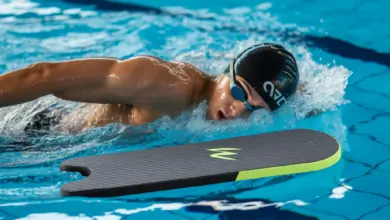
- Rotate high-chafe activities with low-impact options—swap a long run for a swim, elliptical, or strength session to give skin time to recover.
- Incorporate strength training for glutes and inner thighs to improve stride and reduce excessive rubbing from inefficient movement patterns.
- Use interval training to shorten continuous rubbing time while maintaining cardio gains.
Gear and clothing choices that help
The right gear can be the difference between a painless sweat session and raw, irritated skin.
What to look for
- Flatlock seams and minimal stitching to reduce friction.
- Compression liners for both men and women to protect inner thighs.
- Breathable sports bras with smooth straps and no rough seams for chest protection.
- Quick-change options—pack an extra pair of shorts or socks for long workouts.
Real-world example
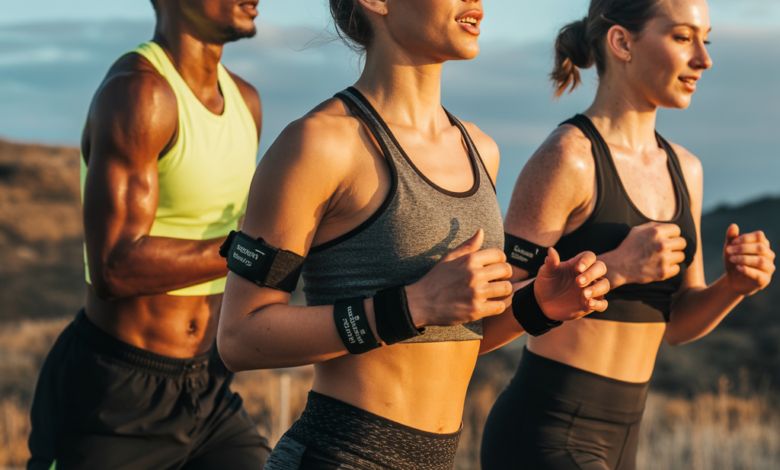
Sarah, a marathoner, fixed recurring inner-thigh chafing by switching from cotton shorts to tight compression liners and applying a silicone-based chafe stick before long runs. She also alternated long runs with cycling sessions to reduce constant friction and saw dramatic improvement in just two weeks.
Quick fixes and at-home remedies
If you do get chafed, prompt care speeds healing and reduces infection risk.
- Clean the area gently with lukewarm water and a mild soap, then air-dry or pat dry with a soft towel.
- Apply a thin layer of healing ointment (e.g., petroleum jelly or a specialized recovery balm) to protect the skin.
- Use non-stick dressings for more severe cases and avoid further friction until healed.
- If redness, swelling, or pus develops, consult a healthcare professional—watch for signs of infection.
Training and lifestyle habits to reduce friction
Prevention isn’t only about gear—small lifestyle adjustments make a big difference.
- Maintain skin health with regular moisturizing and proper hydration; well-hydrated skin resists damage better.
- Manage body composition gradually if weight loss is a goal; sudden or extreme changes can affect skin integrity.
- Shave or trim body hair carefully—sharp stubble can increase irritation, while very short hair may reduce chafing for some people.
- Plan training—avoid back-to-back long sessions that keep the same skin surfaces rubbing for hours.
For workout ideas that reduce chafe risk while boosting fitness, check out our workout routines and cross-training strategies. Combine that with smart fueling from our nutrition guides and overall care from our wellness tips to keep your training consistent and comfortable.
Frequently Asked Questions
1. What is the best product to prevent chafing?
There’s no single “best” product—what works depends on the location and your sweat level. Silicone-based anti-chafe balms and petroleum jelly are reliable for many athletes; powder can help with heavy sweating. Test products during training to find what works for you.
2. How do I treat chafing quickly after a workout?
Clean the area gently, pat dry, and apply a protective ointment to seal the skin. Avoid tight clothing until the area heals, and use non-stick dressings if the skin is broken. If the area becomes infected, seek medical care.
3. Can clothing alone prevent chafing?
Good clothing greatly reduces the risk—moisture-wicking, seamless, and compression garments help—but combining apparel with barrier creams, powders, and training adjustments gives the best protection.
Conclusion: Try these chafing prevention tips today
Chafing doesn’t have to slow you down. By using these chafing prevention tips—choosing the right fabrics, applying barrier products, rotating workouts, and caring for your skin—you can train harder and feel better afterward. Start by testing one change this week (like anti-chafe balm or compression liners) and see how your comfort improves. Ready to keep moving without the rub? Try a tip today and explore our workout routines and wellness tips to round out your plan.